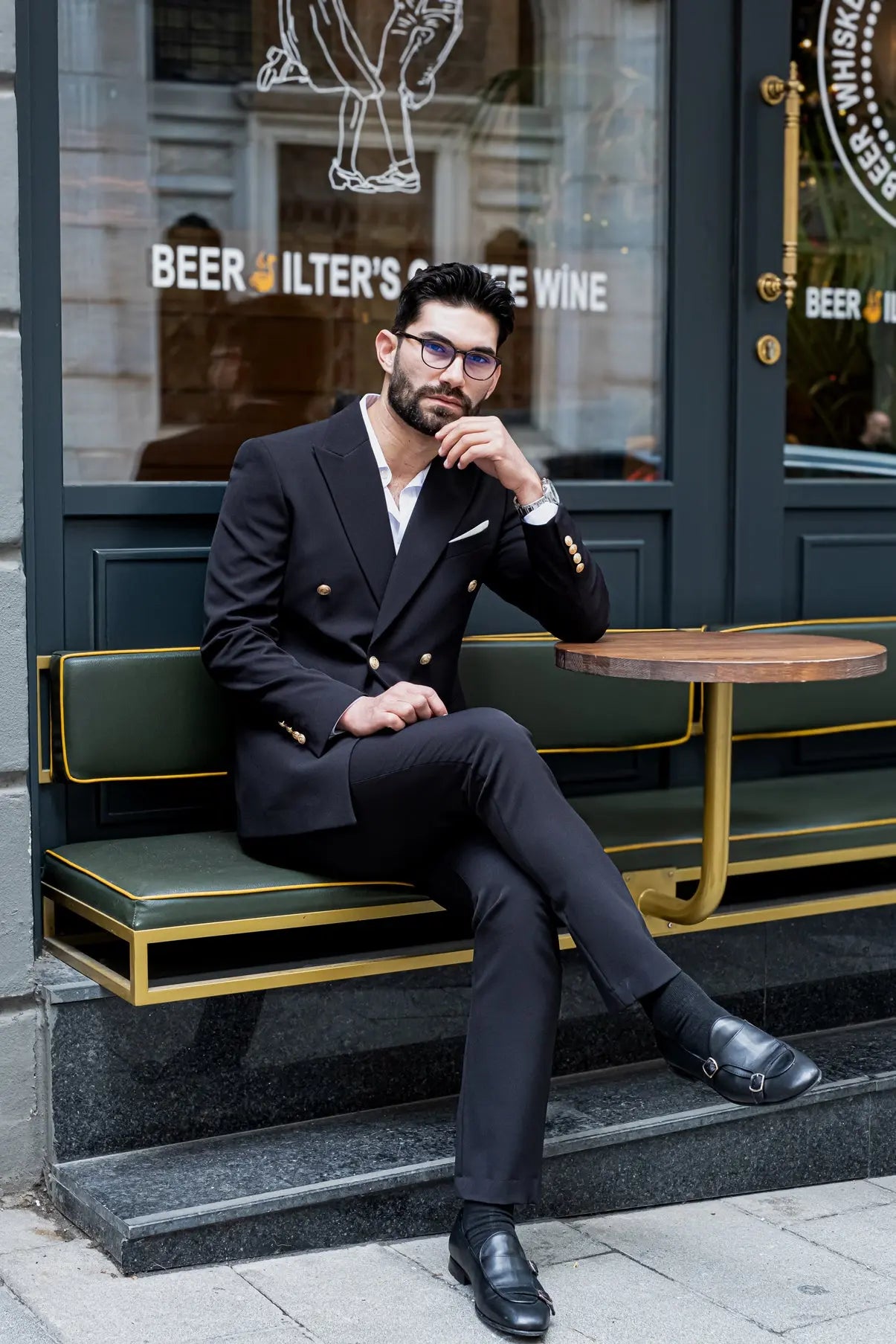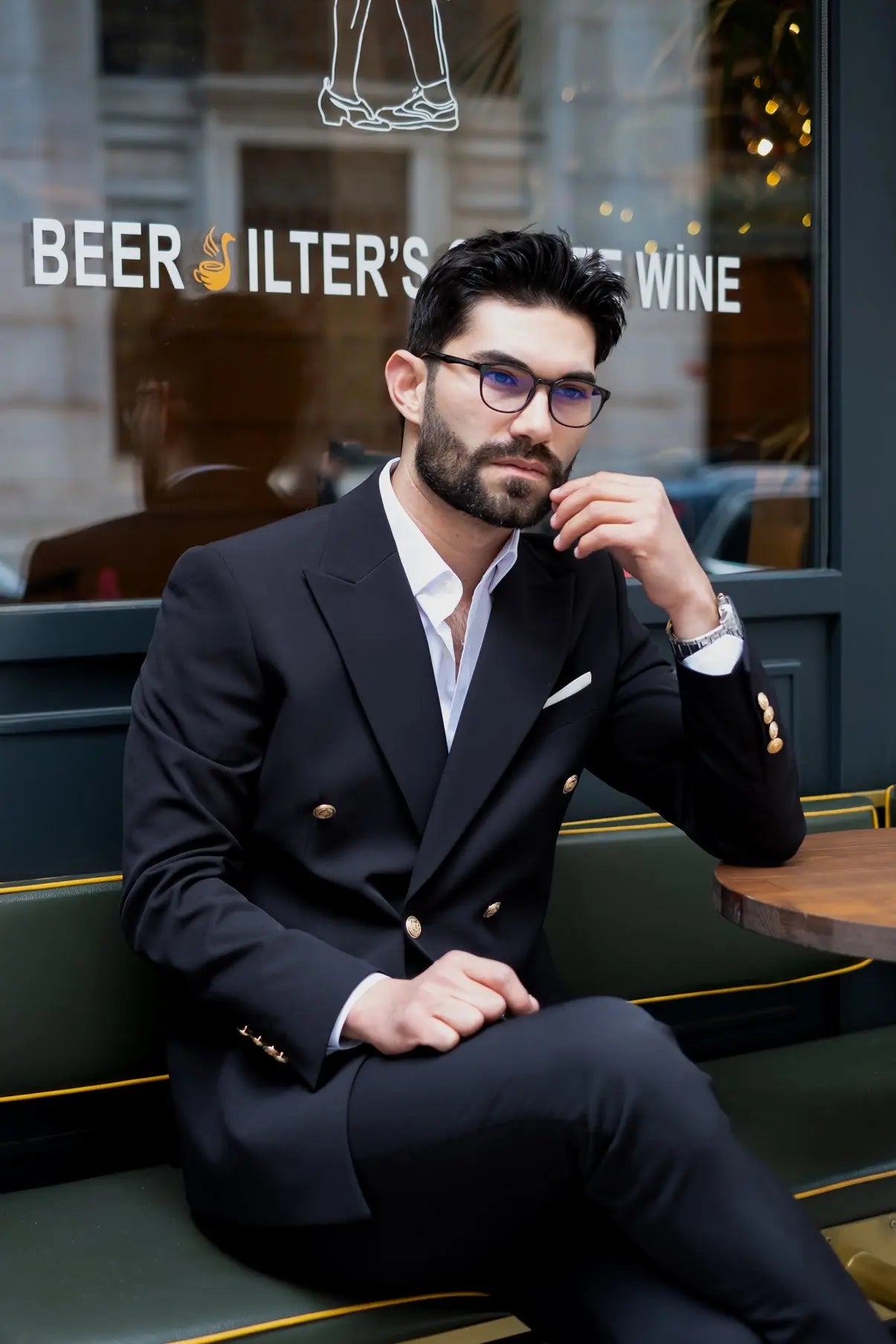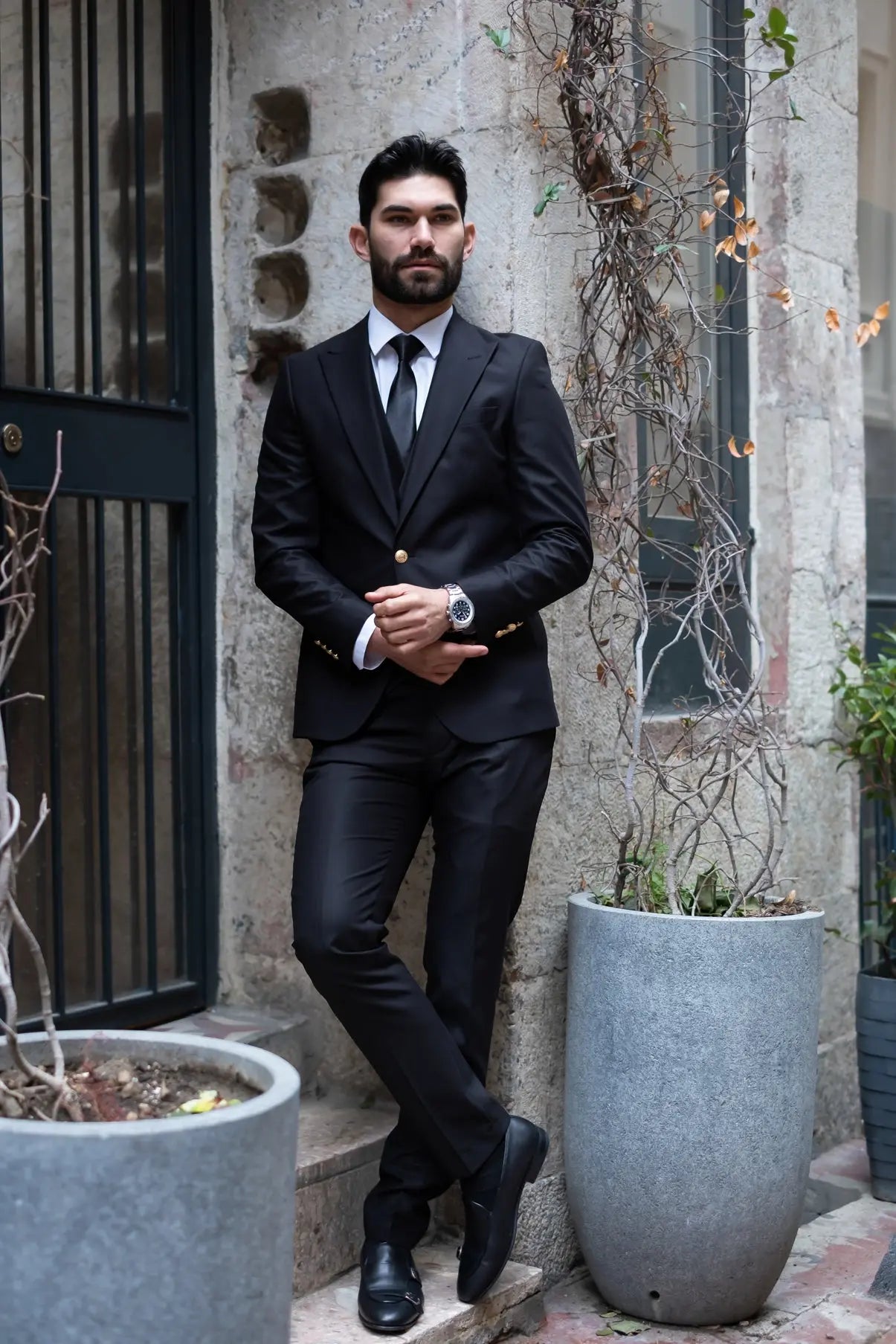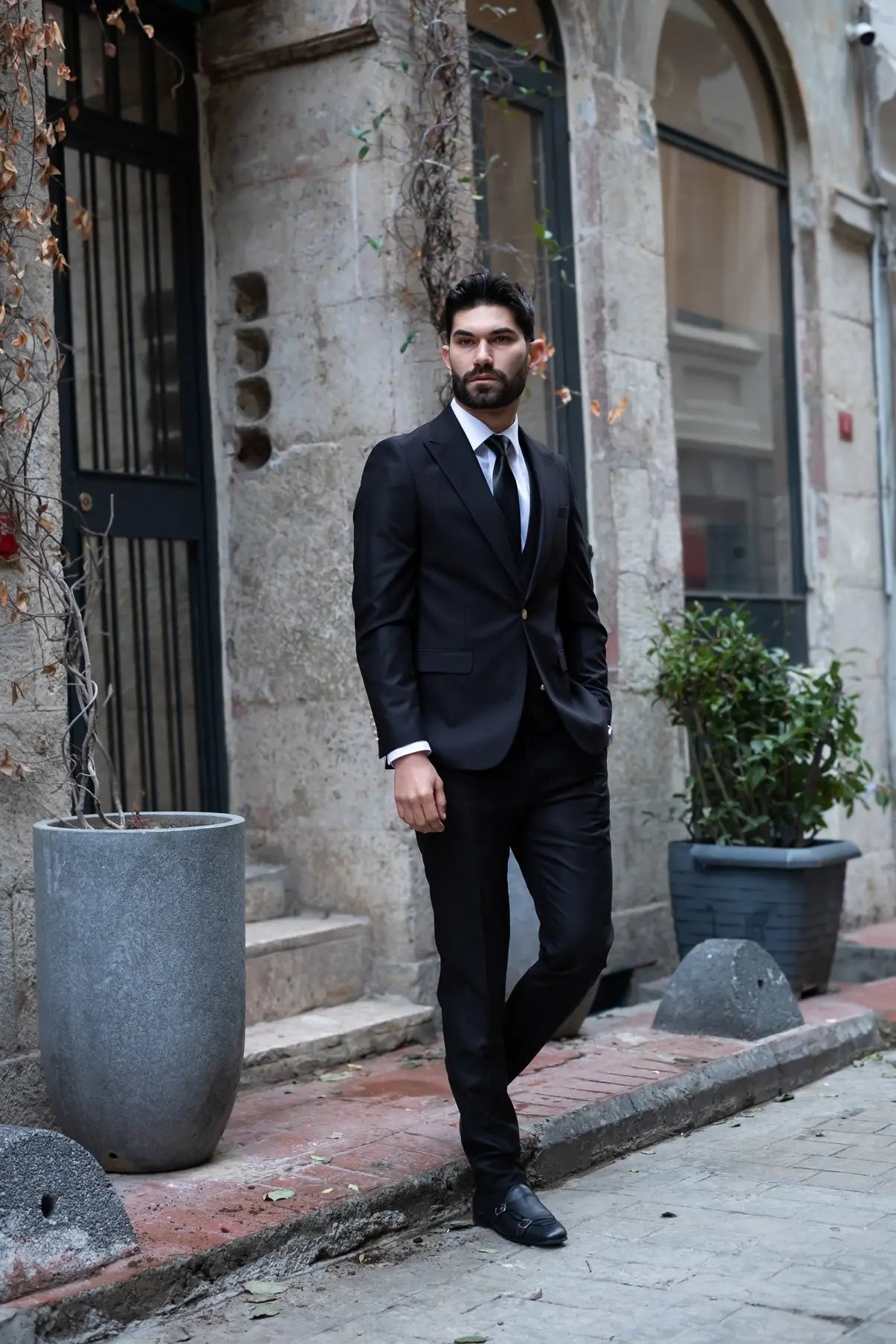
Black Tie Suits for Men
Black tie suits for men deliver formal evening elegance, with slim fit suit styles designed for ceremonies, dinners, and refined occasions.
This store requires javascript to be enabled for some features to work correctly.


Black tie suits for men deliver formal evening elegance, with slim fit suit styles designed for ceremonies, dinners, and refined occasions.
Black tie suits for men are made for formal evenings, ceremonies, dinners, and special occasions. Novo Suit black tie styles focus on refined structure and elegant details.
Use crisp shirts, polished black shoes, and restrained accessories. A clean fit and sharp proportions matter most for formal black tie dressing.
When the occasion calls for unmatched class and refinement, black tie suits remain the gold standard in men's formalwear. Whether you're heading to a gala or a high-society wedding, the black tie ensemble projects elegance, tradition, and timeless sophistication. A proper black tie suit isn't just about looking the part—it's about feeling confident and polished at the most memorable events of your life.
With a wide variety of styles, fits, and luxurious fabrics like velvet and wool, today’s black tie options combine classic silhouettes with contemporary flair. Features such as silk facings, structured shoulders, and tailored cuts are what set tuxedos apart from ordinary suits. In this guide, we’ll explore everything from essential components and popular styles to care tips to help you make a lasting impression wherever the dress code demands your best.
Discover a refined selection of expertly tailored black tie suits designed to meet modern standards while honoring timeless traditions. Available in slim, regular, and tailored fits, you can choose from a variety of lapel styles, including peak, shawl, and notch. The collection features premium materials such as pure wool, velvet, and performance fabrics designed for comfort and elegance.
Each piece reflects meticulous craftsmanship and attention to detail—from fabric linings to button finishes—enhancing the overall look. Whether you're shopping online or booking a fitting, Novo Suit offers black tie options that align seamlessly with your personal style and silhouette.
A true black tie look is characterized by its adherence to formal conventions that have stood the test of time. At its core, a traditional black tie outfit includes a tuxedo or dinner jacket with satin or grosgrain lapels, a crisp white dress shirt, a black silk bow tie, and tailored trousers. This ensemble is worn exclusively for evening occasions, typically after 6 PM.
The emphasis in black tie dressing is on understatement and precision. Every piece must fit impeccably and coordinate flawlessly. From minimal accessories to patent leather shoes, the look is polished, dignified, and built on decades of sartorial tradition. Deviating from this framework can compromise the formality of the ensemble.
The anatomy of a black tie suit involves more than just a tuxedo jacket. It's the harmony of all elements that defines a cohesive and proper outfit. Below is a breakdown of its foundational pieces:
|
Component |
Description |
|---|---|
|
Tuxedo Jacket |
Usually black or midnight blue with satin or grosgrain facings on the lapel |
|
Trousers |
Matching formal trousers with a satin stripe along the leg seam |
|
Dress Shirt |
White shirt with a pleated or piqué front, often with French cuffs |
|
Bow Tie |
Traditionally black and silk, either ready-tied or self-tie |
|
Cummerbund or Waistcoat |
Black silk accessory to cover the waist and complement the bow tie |
|
Patent Shoes |
Highly polished, usually in black patent leather |
These fundamental items are non-negotiable when dressing strictly according to black tie norms. Accessories, especially, should enhance rather than distract from the ensemble.
While the terms are often used interchangeably, there are subtle differences between tuxedos and dinner suits. A tuxedo typically features contrasting lapels made from silk and matching satin stripes down the trouser seams. Dinner suits, commonly referenced in British formalwear, adhere to the same formal standards while occasionally offering slight variation in design or fabric expression.
Both options serve the same purpose within black tie dress codes, with distinctions largely influenced by regional terminology and personal preference.
No black tie suit is complete without the finishing touches. Accessories are crucial to elevating your look—from the shimmer of shirt studs to the symmetry of a perfectly tied bow. Bow ties should always be black and made from silk or satin to complement the lapels of your tuxedo.
Opt for a cummerbund or waistcoat to conceal your waistband and create a clean visual line. Shirt studs and elegant cufflinks lend a refined touch to your dress shirt.
Essential accessories include:
Bow Tie: A silk, self-tie bow is most traditional.
Cummerbund/Waistcoat: Black is standard and must match your lapels.
Shirt Studs: Replace regular buttons for added elegance.
Cufflinks: Keep it minimal and refined—silver or black onyx finishes work well.
Modern black tie attire embraces different cuts and fabrics to appeal to diverse style preferences. Whether you gravitate toward sleek minimalism or rich textures like velvet, contemporary tailoring allows for individuality while respecting tradition.
This evolution of black tie dressing ensures you can express personal character without compromising formality.
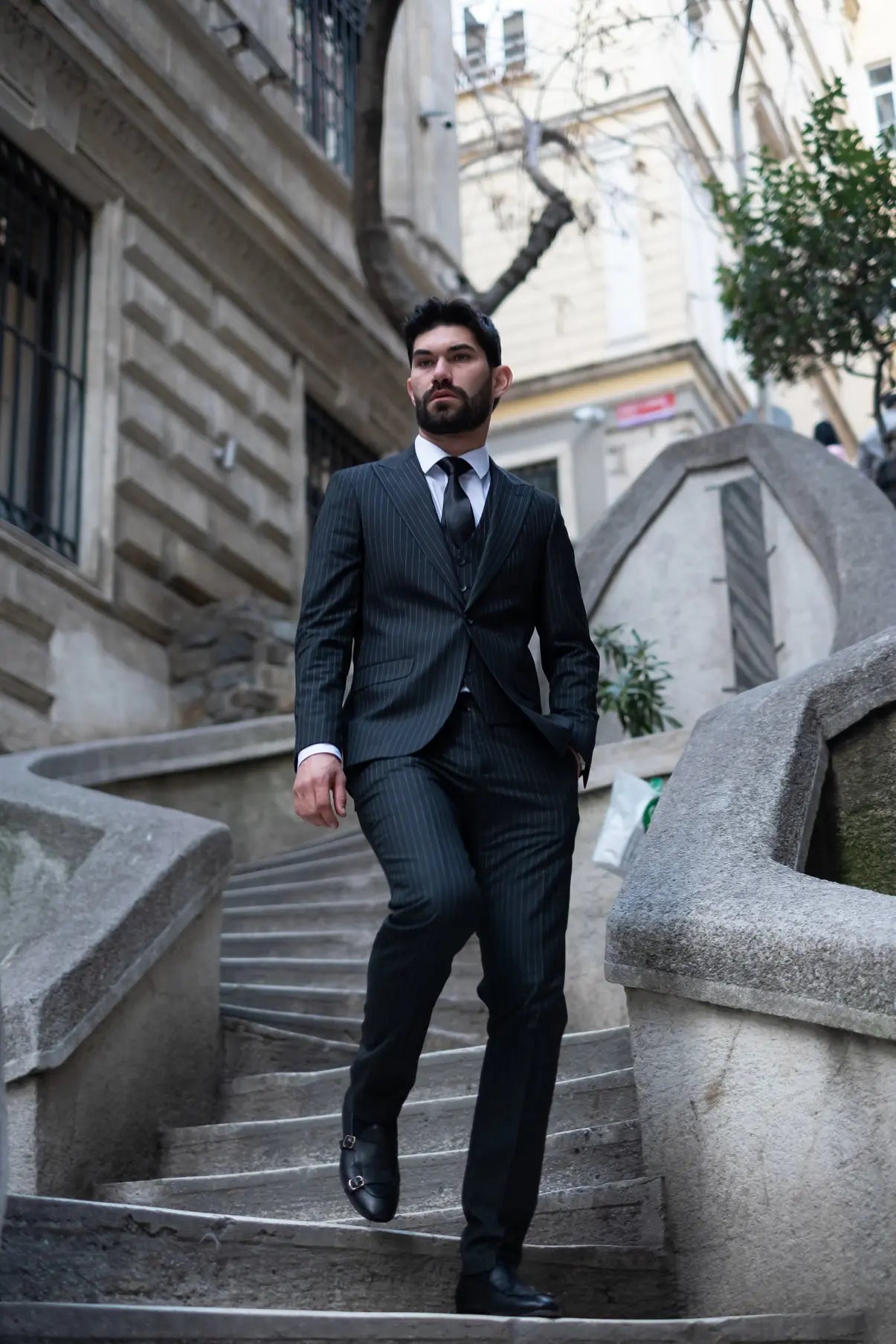
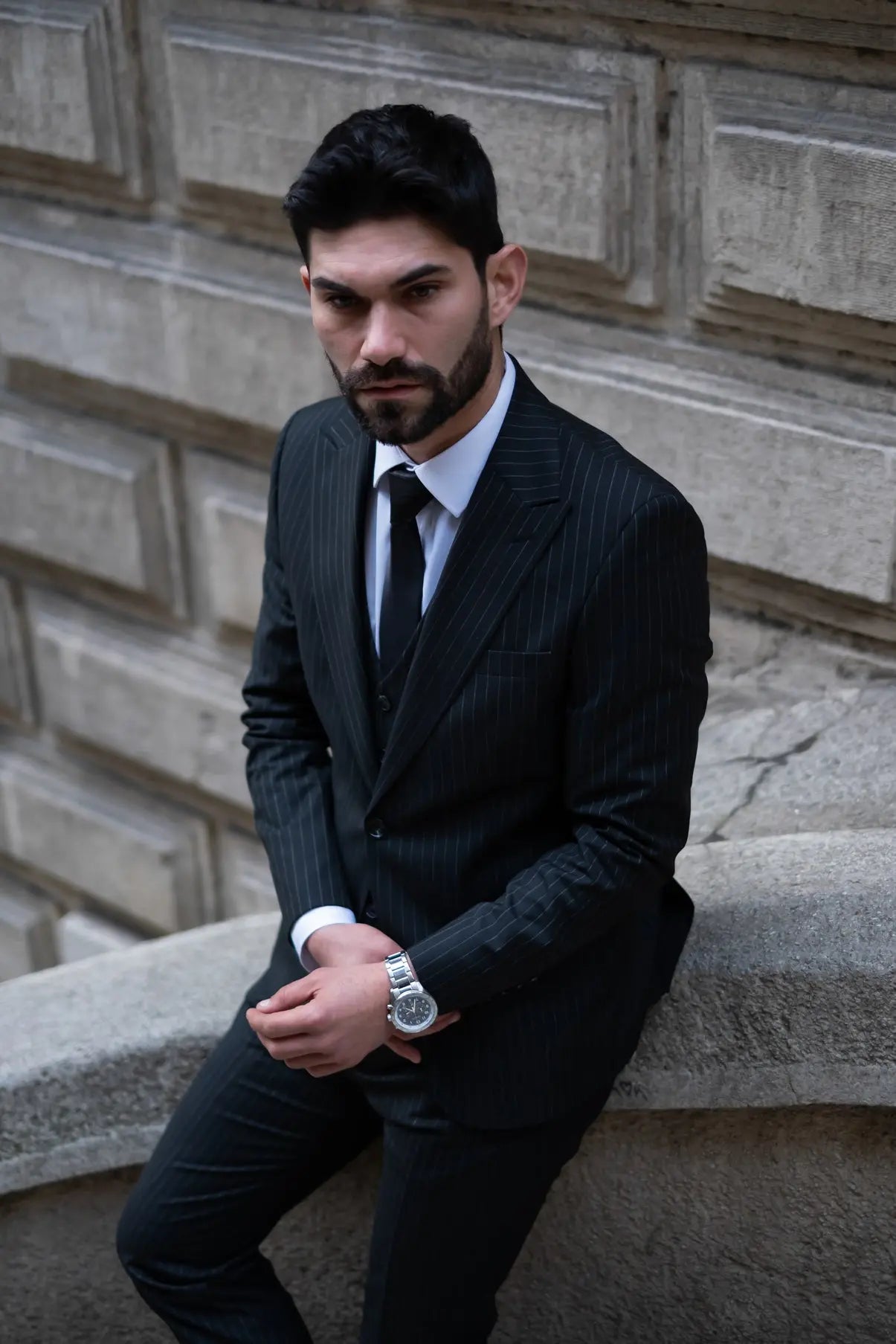
Slim fit tuxedos provide a contemporary edge with a flattering, clean silhouette. Designed to contour the body without restricting movement, they emphasize structured shoulders and a refined waistline.
Peak lapels remain the most formal choice for traditional black tie occasions, while notch lapels offer a modern interpretation suitable for select evening events.
Formal evening suits are available in a range of fabrics to suit different seasons and settings. Velvet introduces depth and luxury, making it popular for winter and evening celebrations. Wool remains a classic choice, valued for breathability and structure.
Performance fabrics provide added comfort and flexibility, helping maintain a polished appearance throughout long formal occasions.
Single-breasted tuxedos remain the standard, featuring a clean silhouette that suits most body types. They are timeless, versatile, and easy to style.
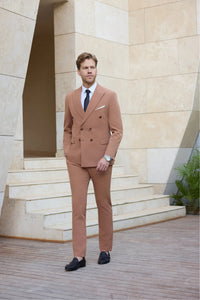
Double-breasted tuxedos offer a bold alternative with a more pronounced structure. Often associated with vintage elegance, they create a striking presence, particularly when paired with rich fabrics and deep color tones.
Black tie attire is reserved for formal evening events where elegance and tradition are expected. These occasions typically occur after sunset and carry a heightened level of formality.
Common events include:
Evening weddings
Formal galas and charity events
Award ceremonies
Opera, ballet, and cultural evenings
Understanding the invitation’s dress code ensures appropriate and confident attire.
Proper tailoring is essential to achieving the refined look black tie demands. Even the finest tuxedo benefits from precise adjustments to ensure flawless drape and balance.
A well-fitted jacket should sit cleanly on the shoulders, with sleeves revealing a subtle hint of shirt cuff. Trousers should rest at the natural waist and fall smoothly without excess break.
Key fit checkpoints include:
Shoulders aligned with natural shoulder line
Jacket length covering the seat without excess
Sleeves revealing approximately half an inch of shirt cuff
Trousers resting neatly on the shoe
Professional tailoring enhances comfort, posture, and overall elegance.
Preserving your black-tie outfit ensures lasting sophistication. These garments are crafted from premium materials that require careful handling.
Dry clean only when necessary, and avoid plastic garment covers. Use padded or wooden hangers to maintain shape, and allow the suit to air after wear.
Proper care translates to long-term elegance. Here are expert tips on maintaining the quality and structure of your black tie attire:
Storage: Use breathable garment bags; avoid wire hangers or cramped closets.
Cleaning: Only dry clean when absolutely necessary to prevent fabric wear.
After Wear: Let the suit rest and air out before storing. Use a suit brush to remove lint or particles.
Ironing: Use a steamer rather than a direct iron to avoid fabric damage, especially on satin lapels.
Preserving your black tie ensemble is just as important as owning it. With the right care, your tuxedo will serve for your next formal event and beyond.
A black tie suit is a formal evening outfit suited to ceremonies, dinners, galas, and refined special occasions.
A sharp black suit can work for black tie optional settings, especially when styled with a crisp shirt and polished formal shoes.
Polished black dress shoes are the safest choice for black tie suits because they keep the outfit formal and cohesive.