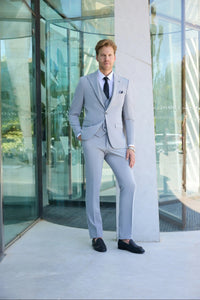
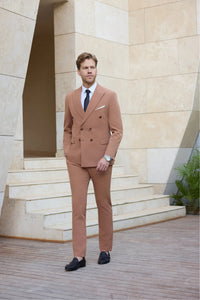
Casual Suits for Men
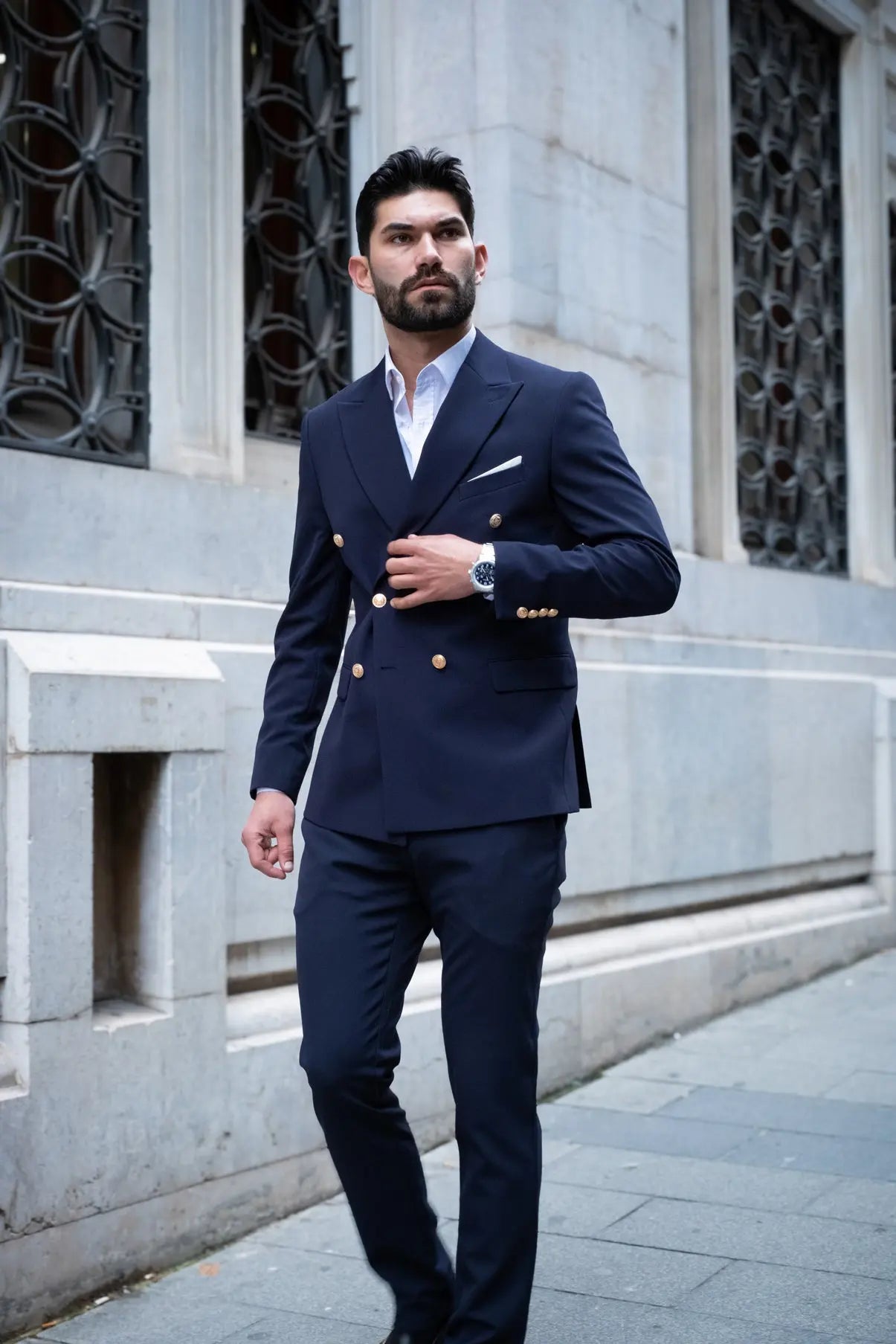
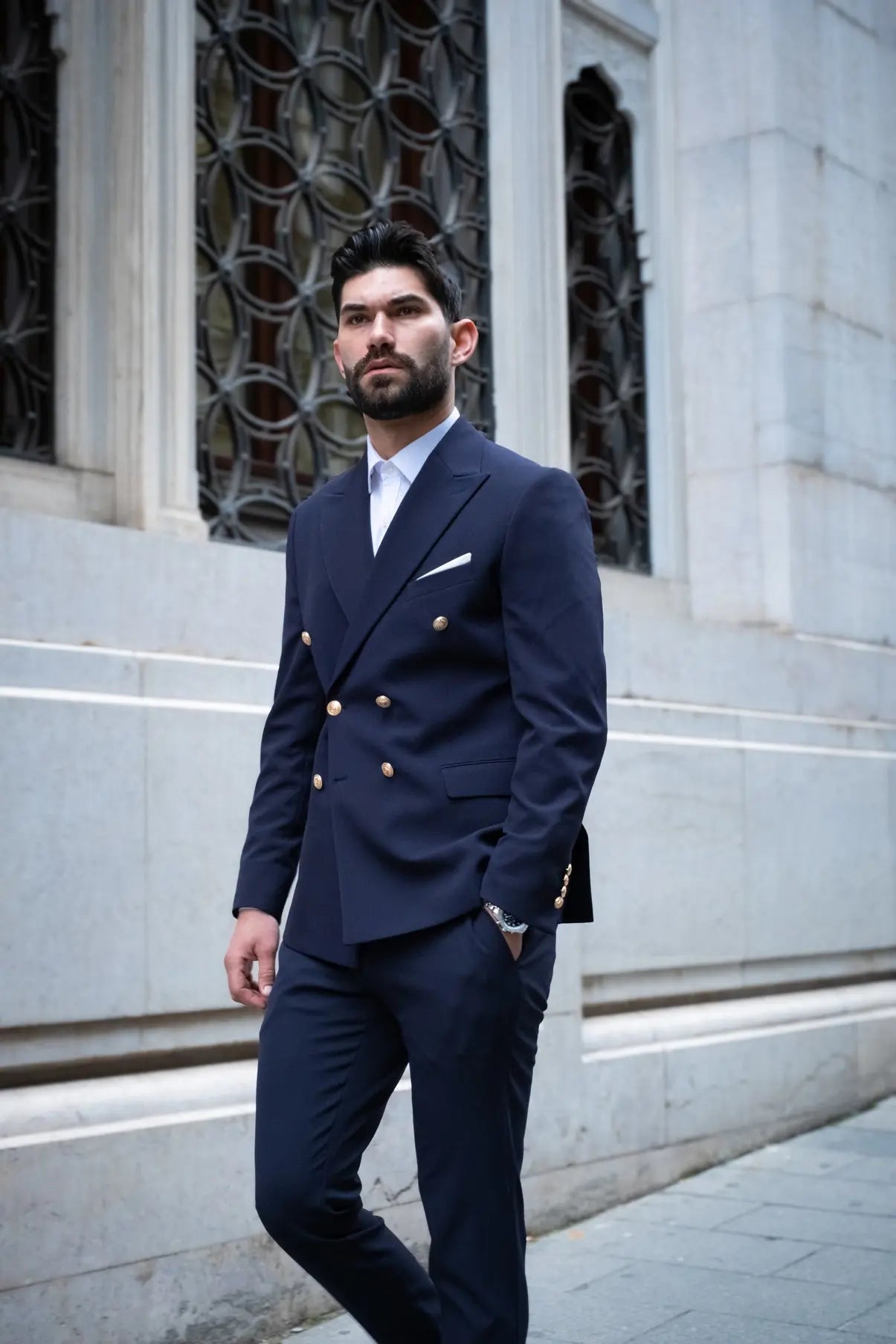
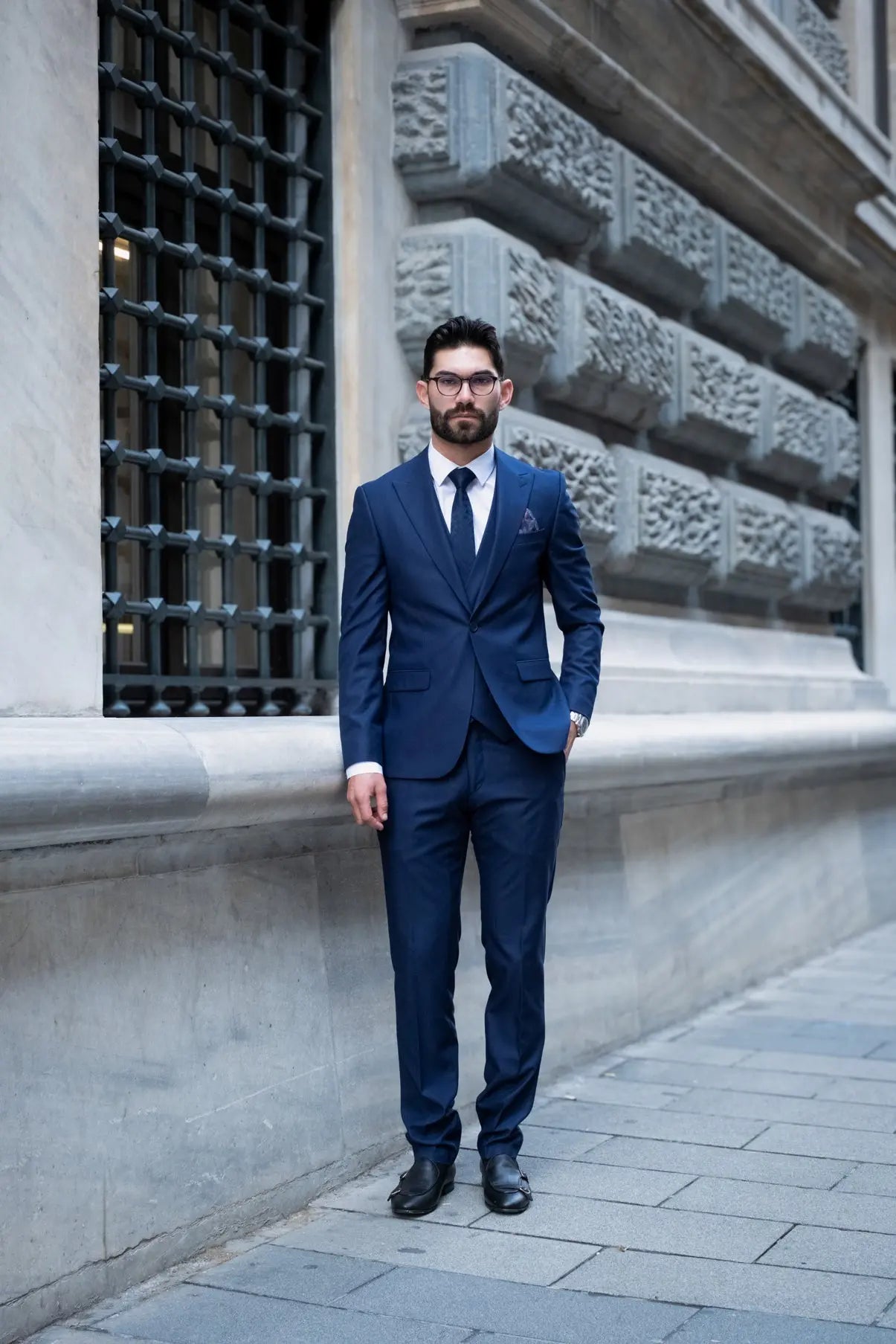
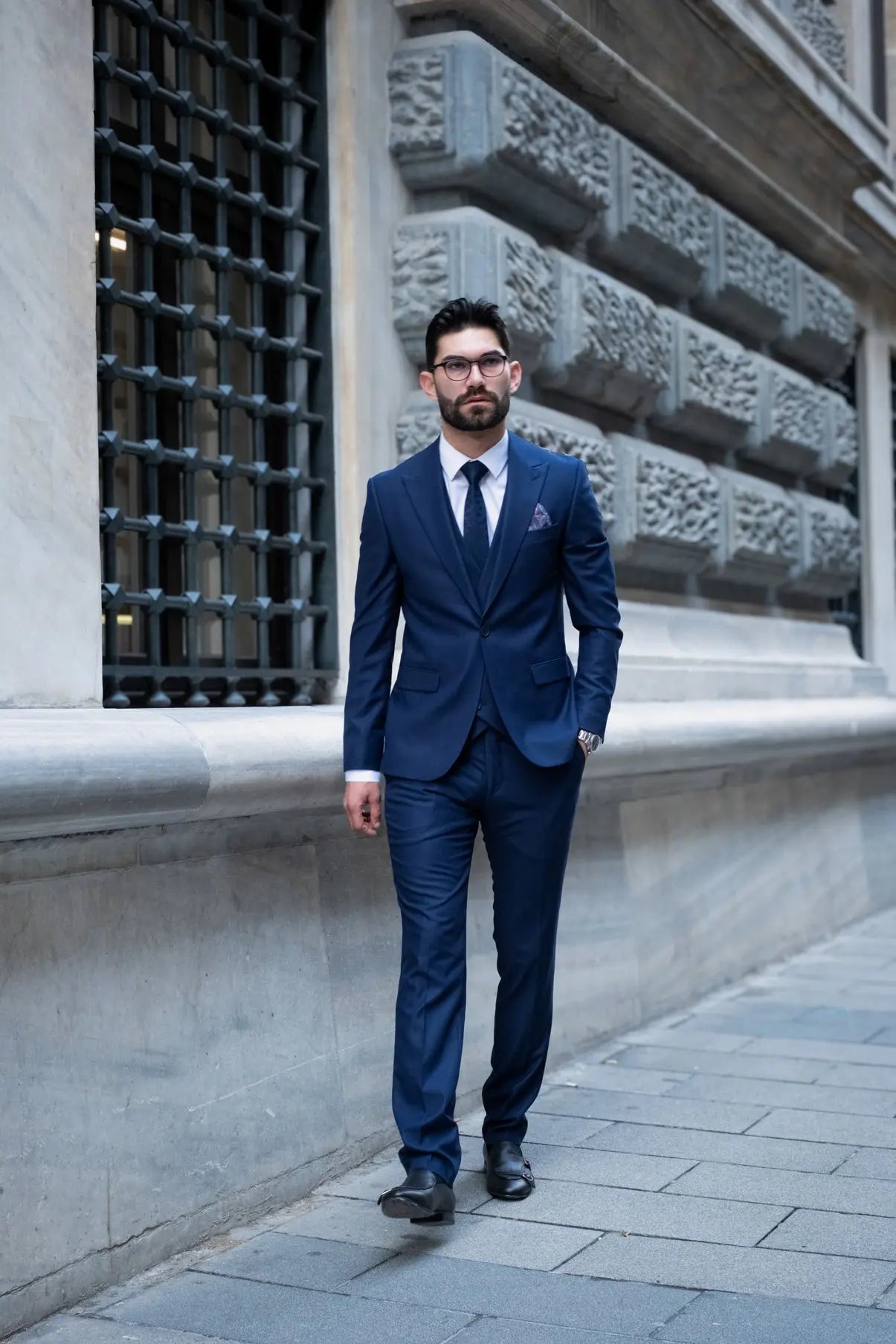
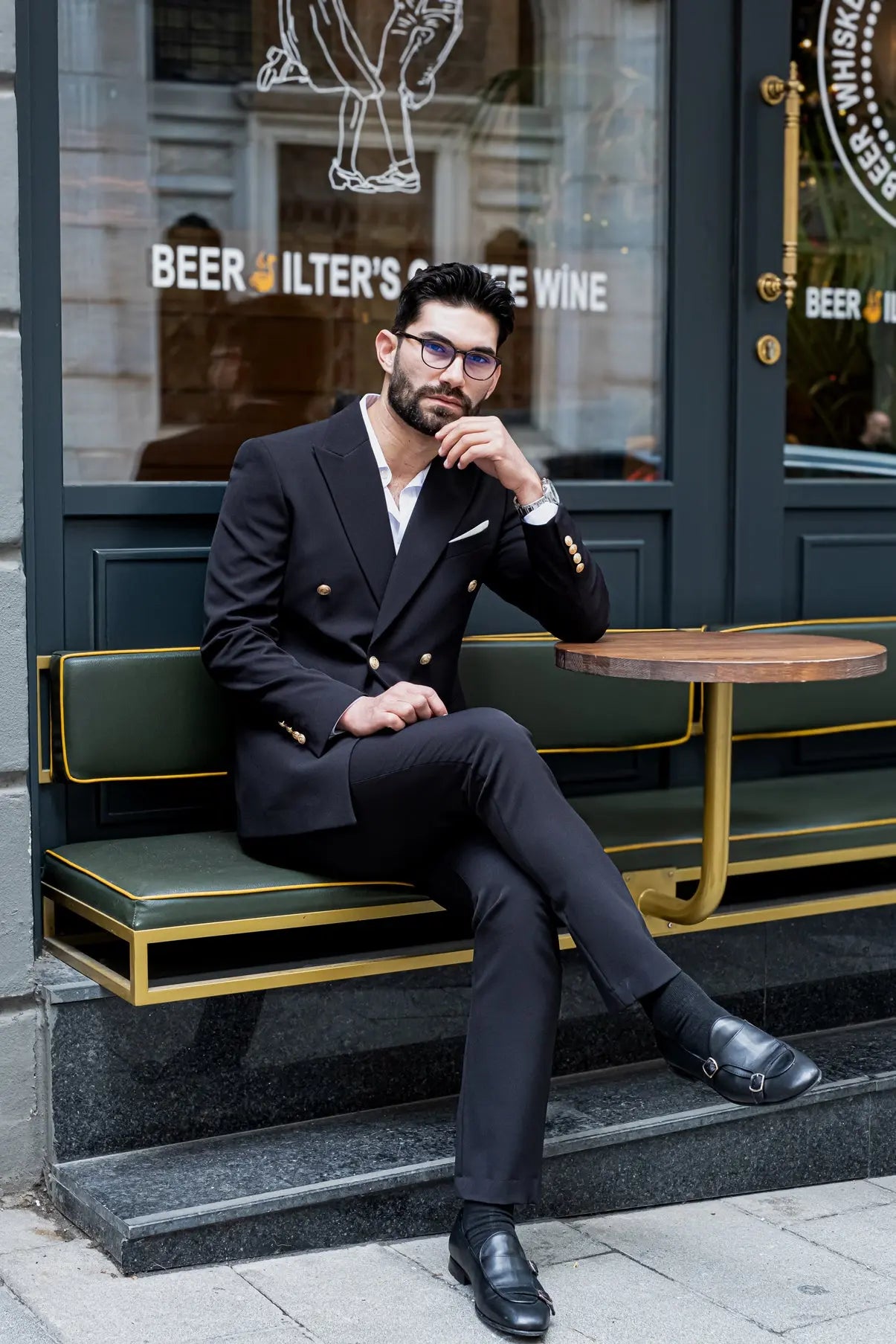
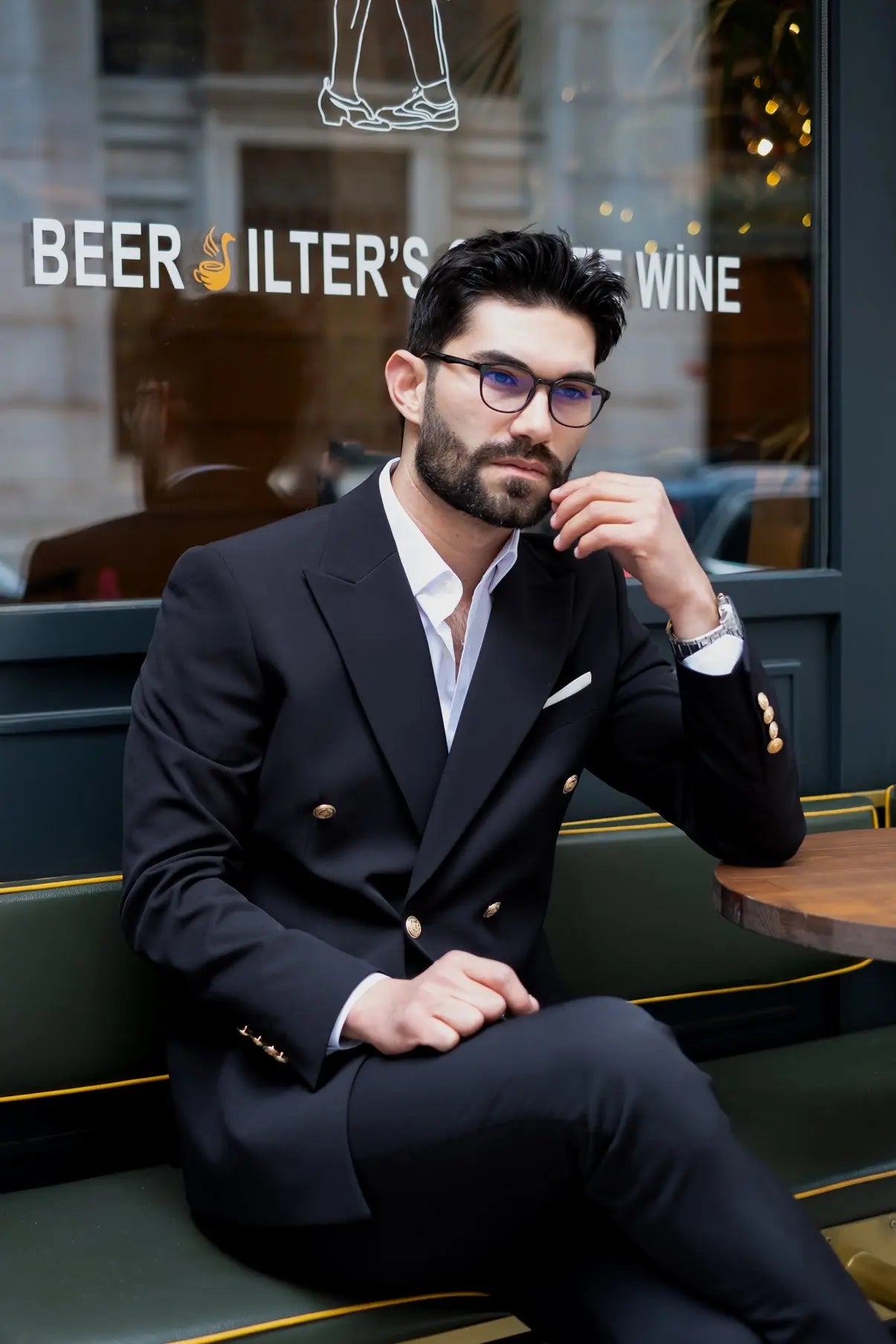
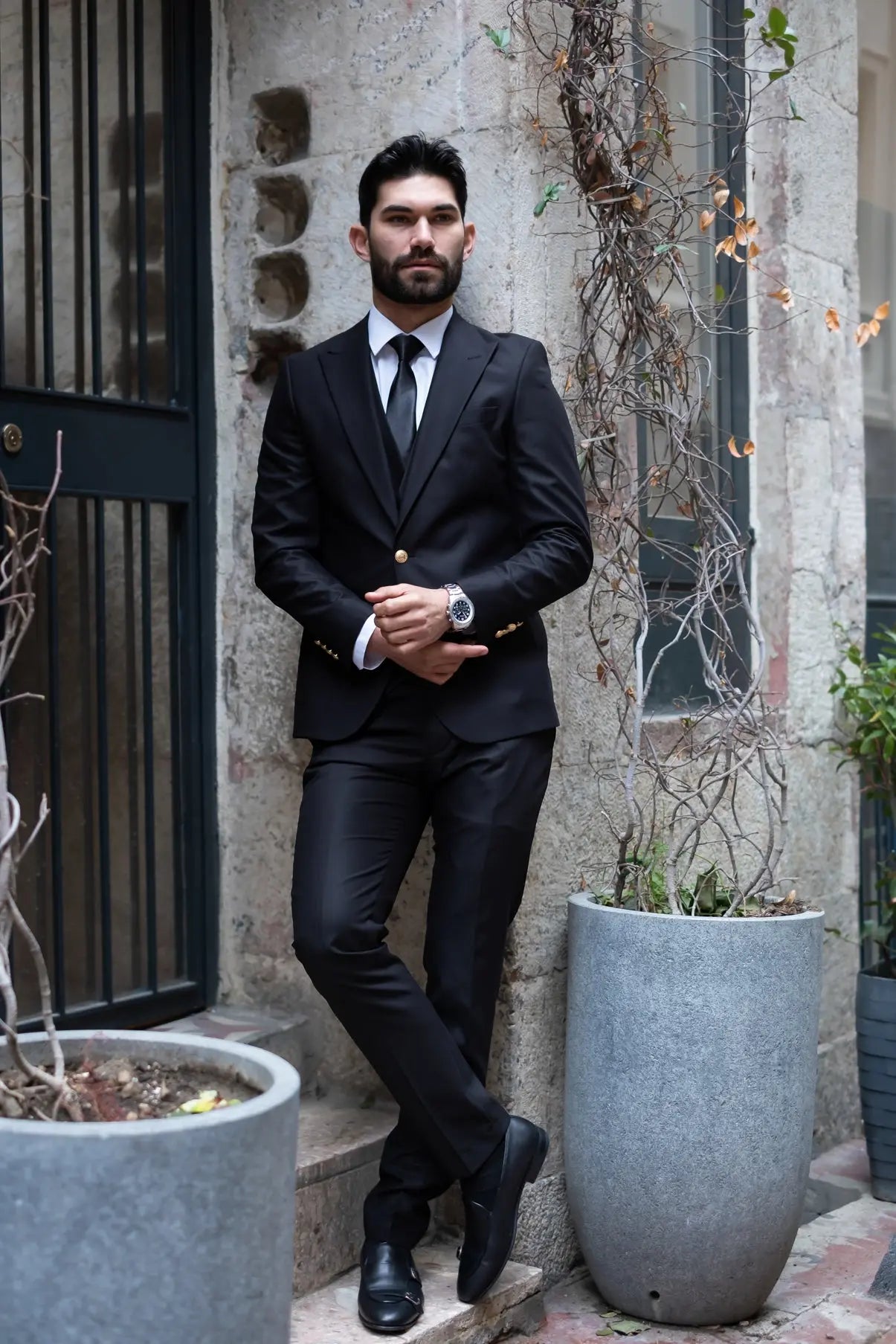
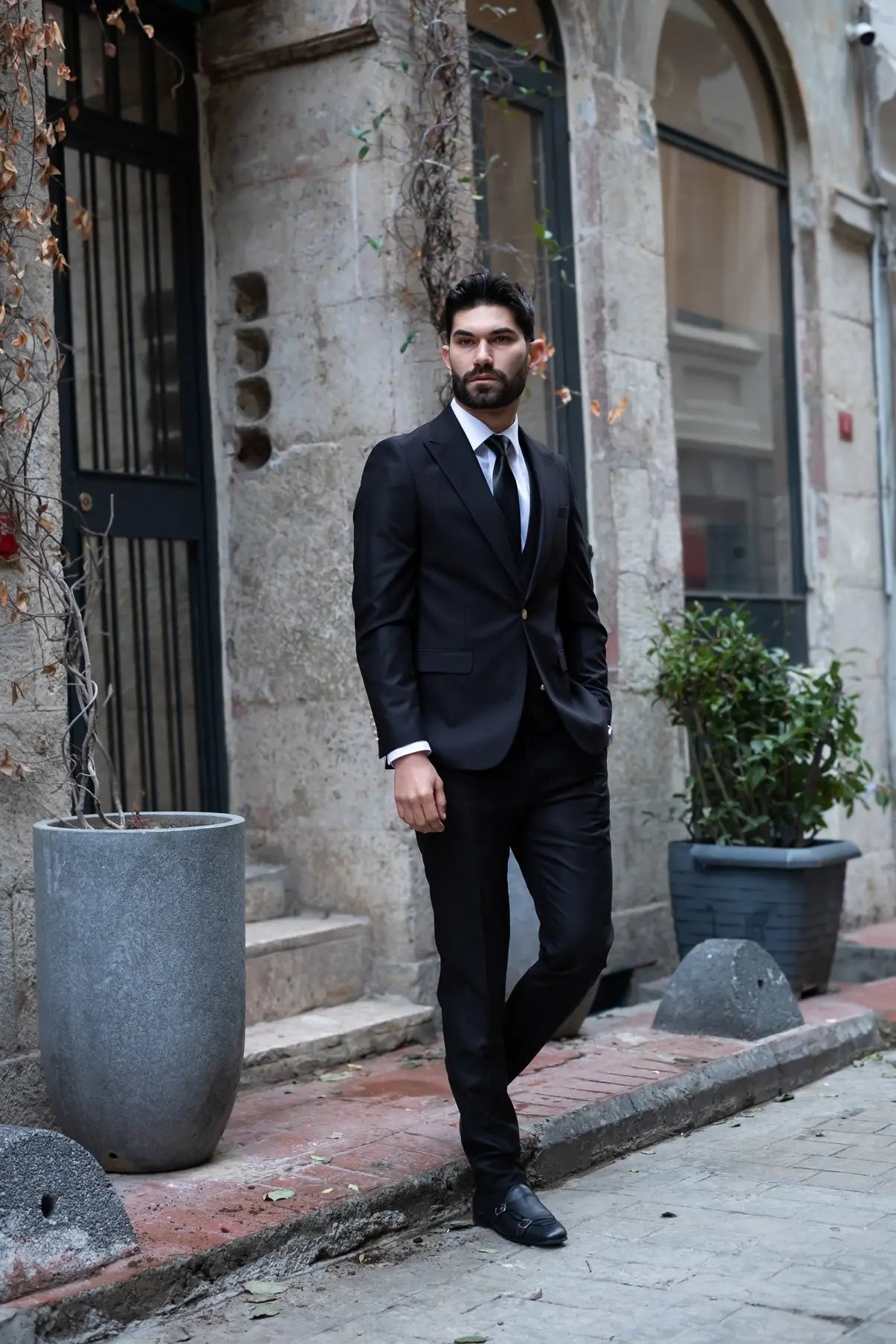
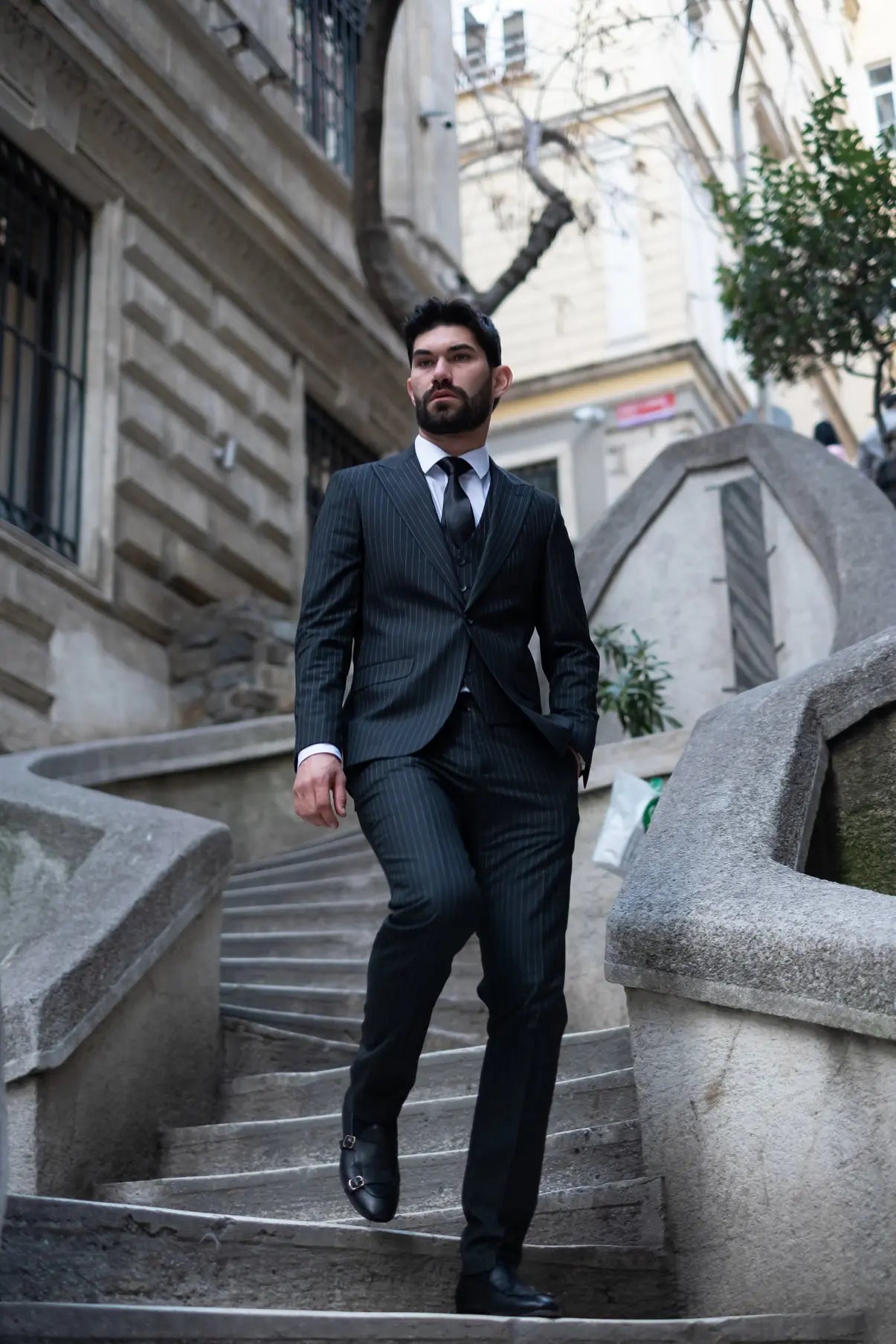
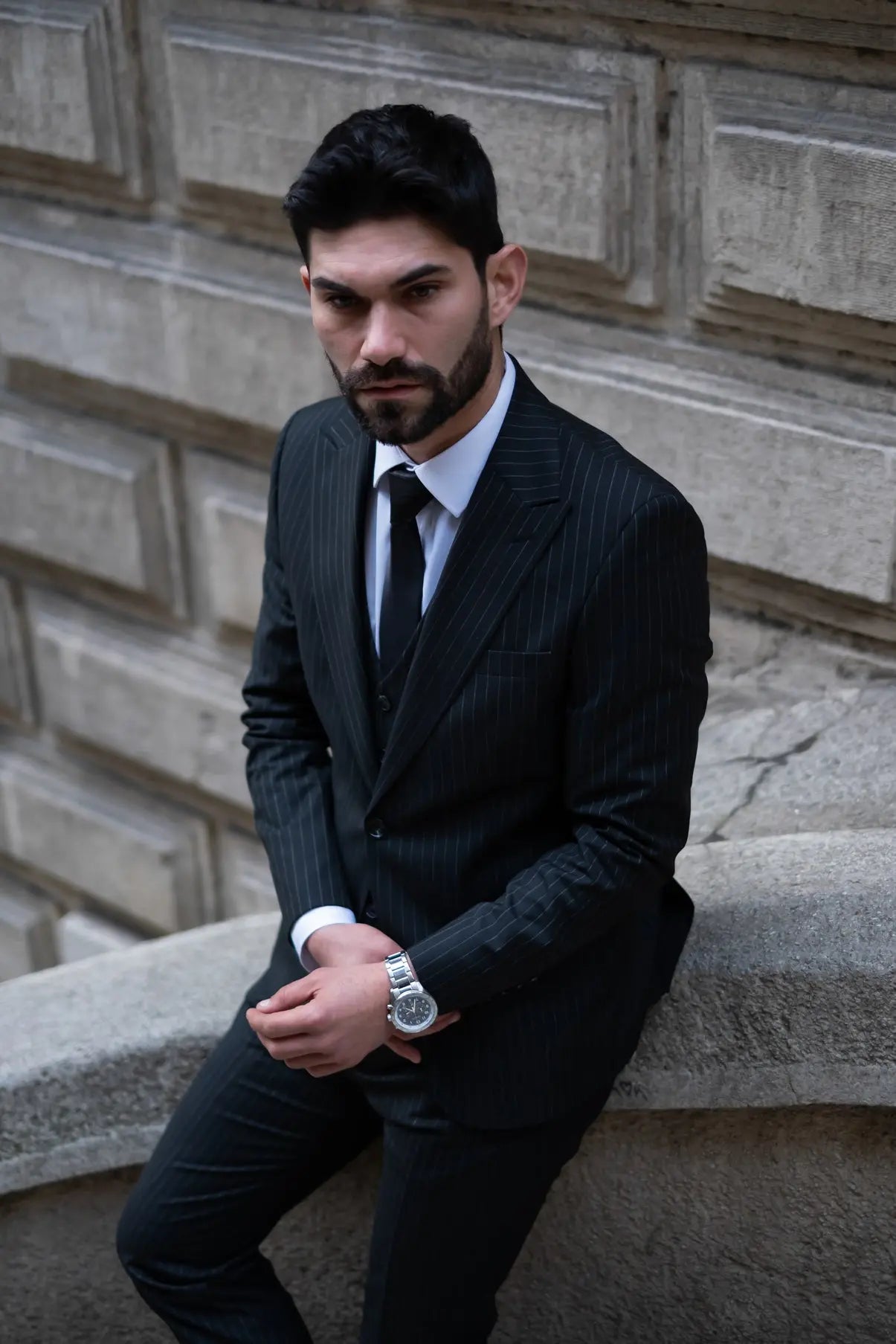
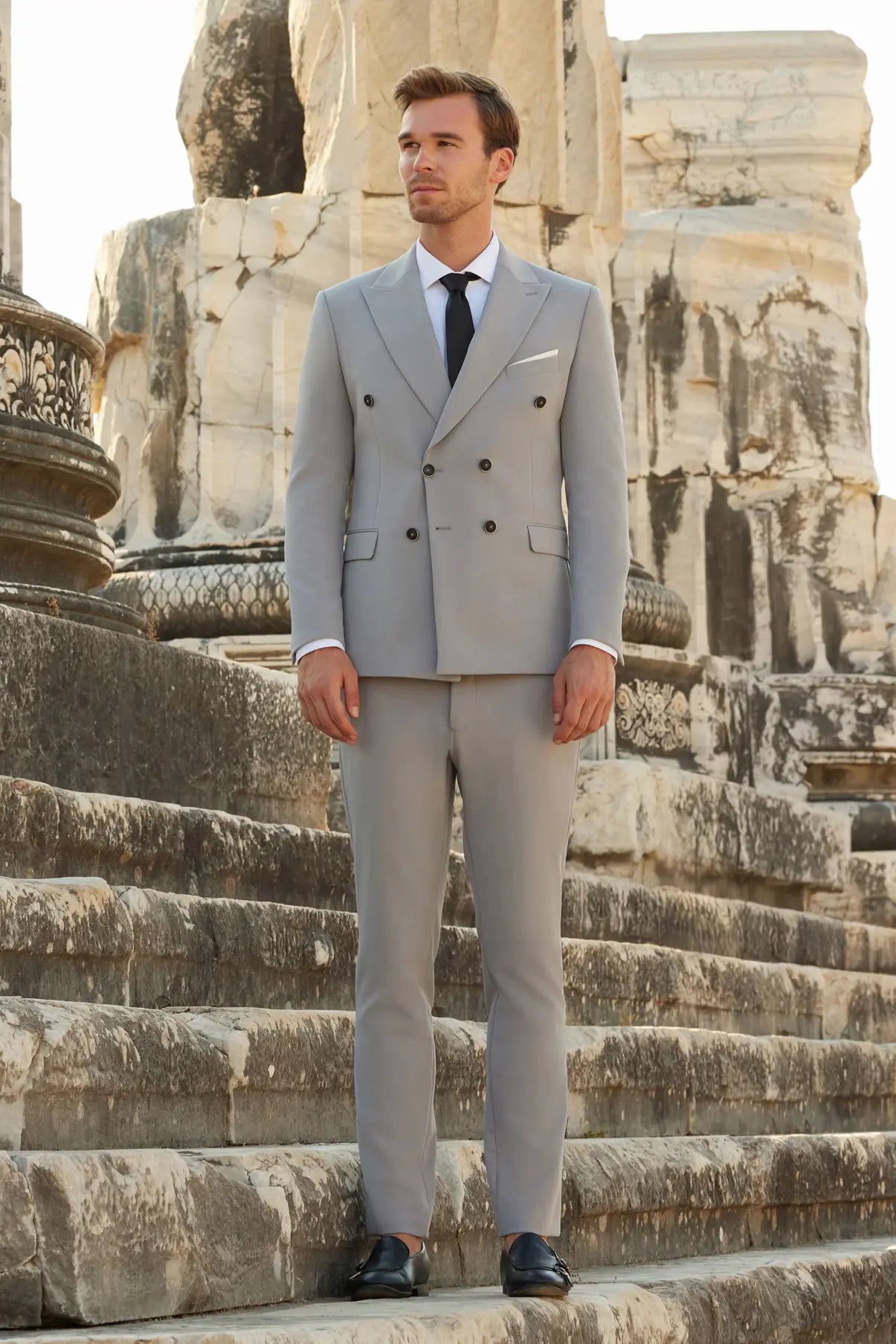
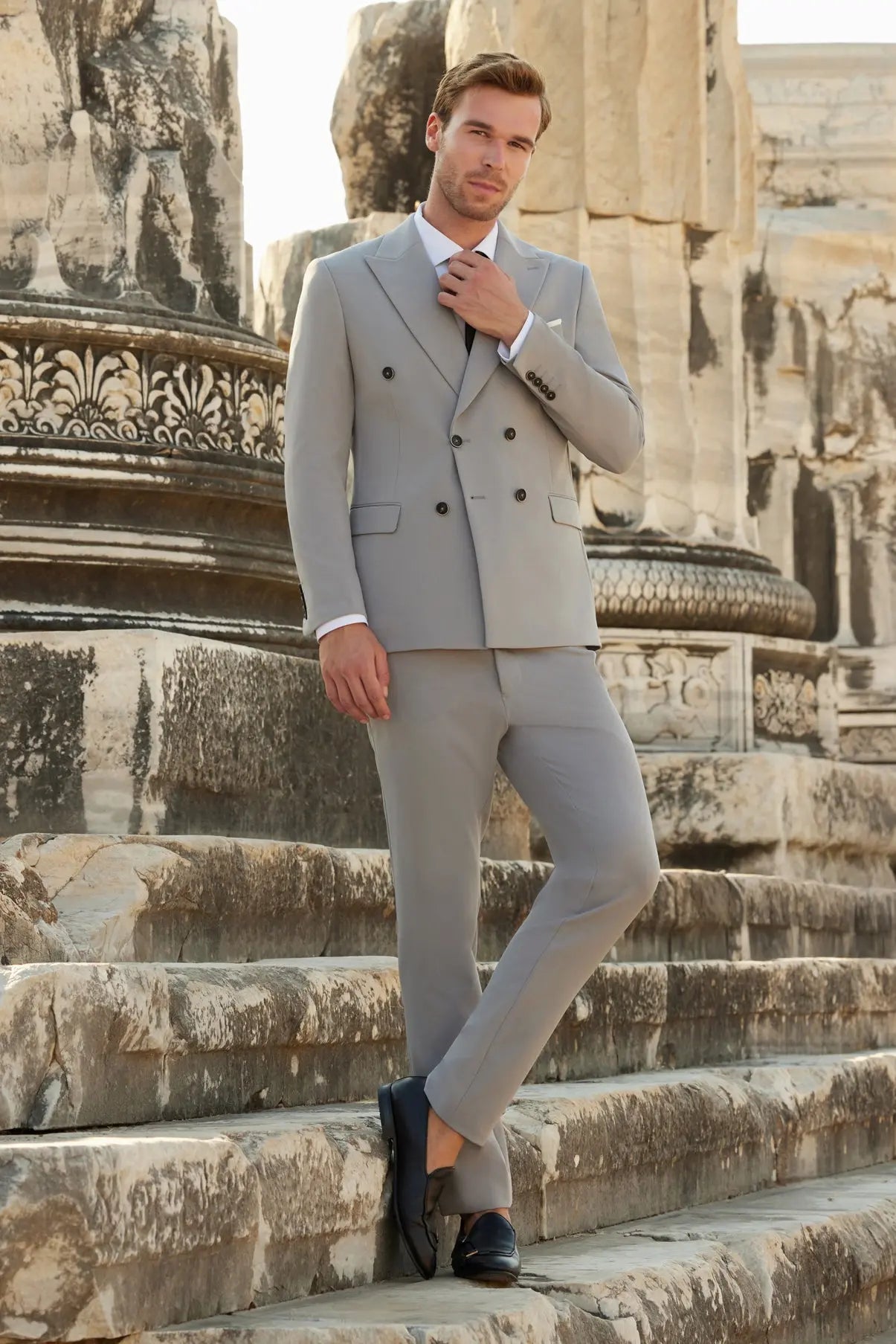
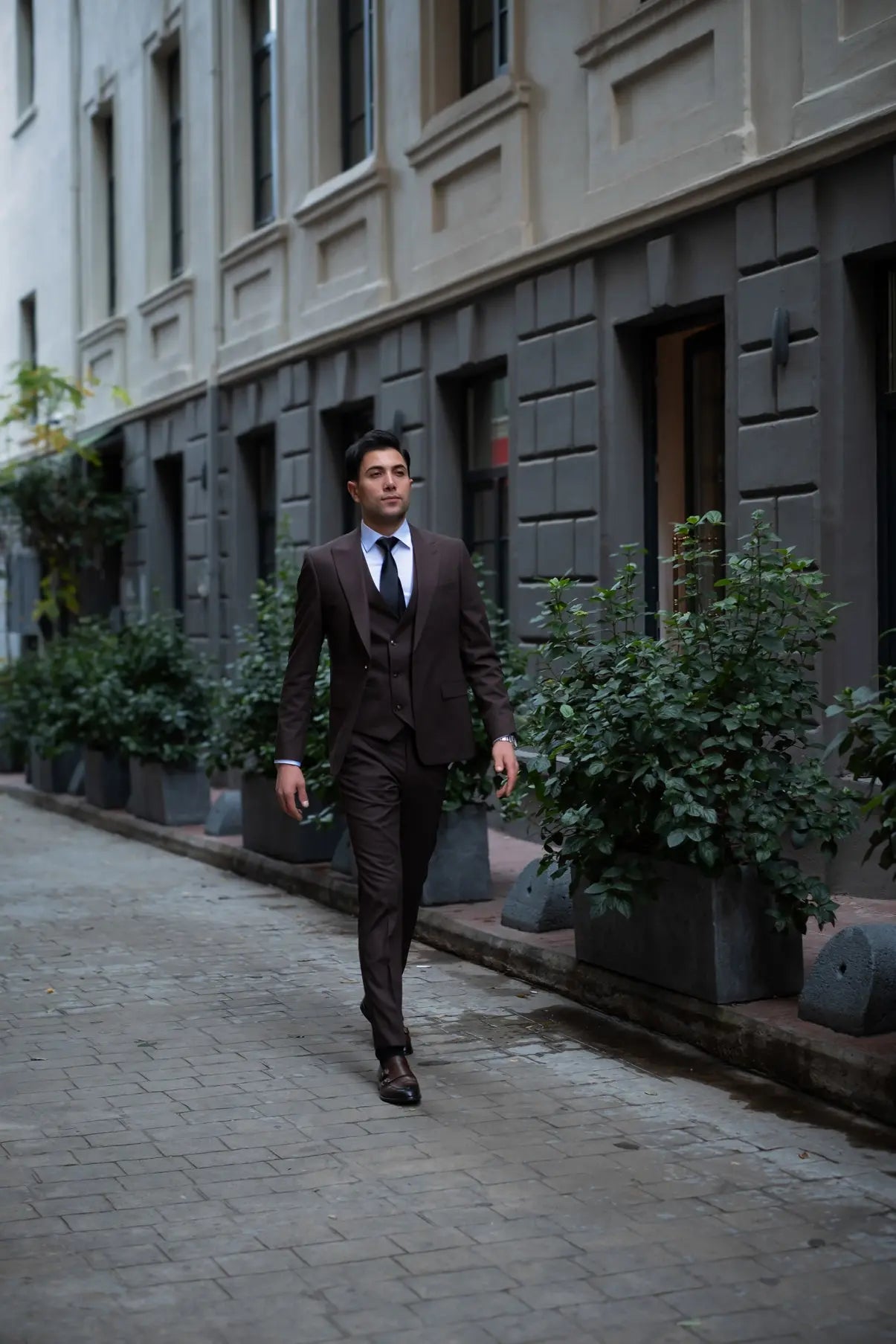
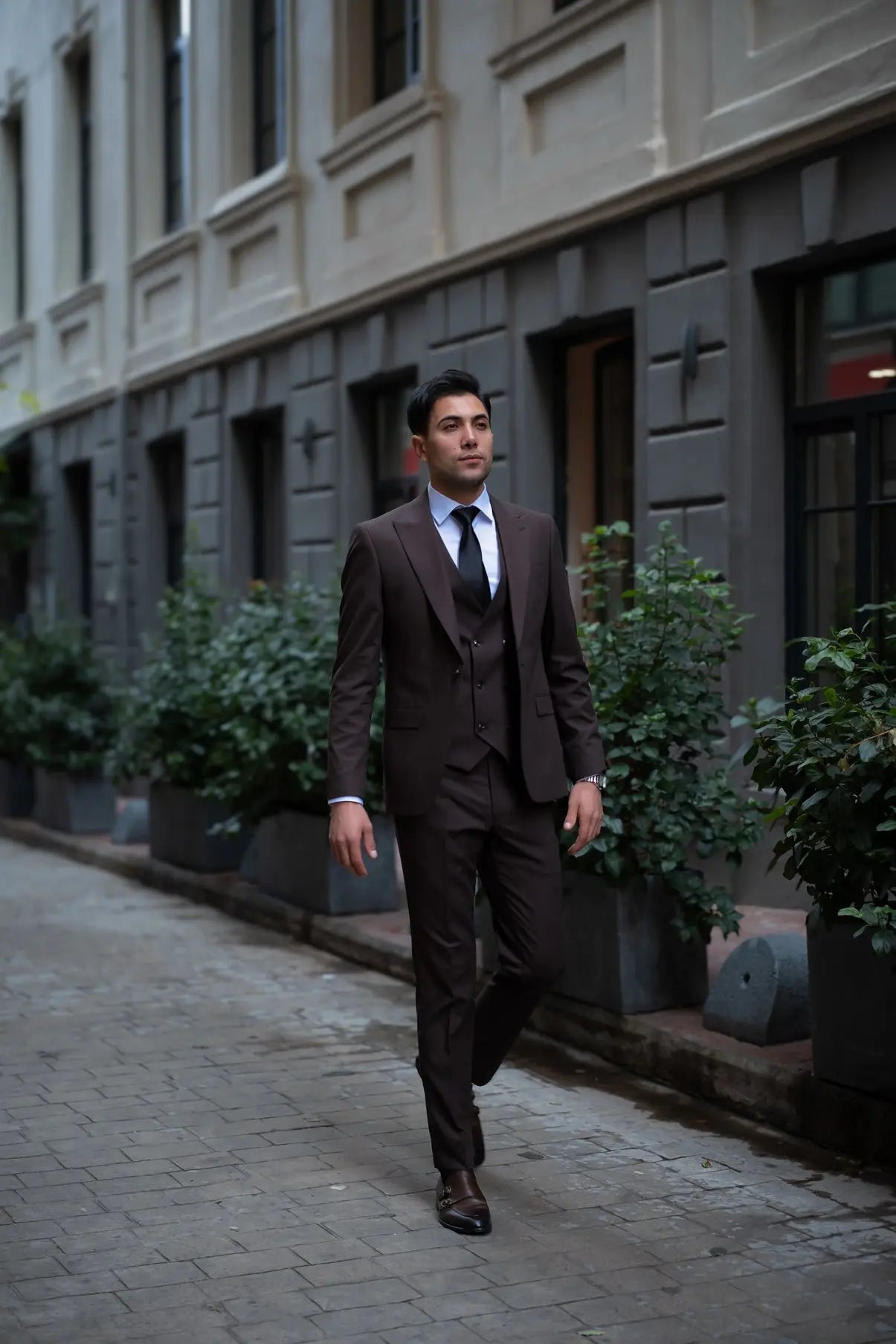
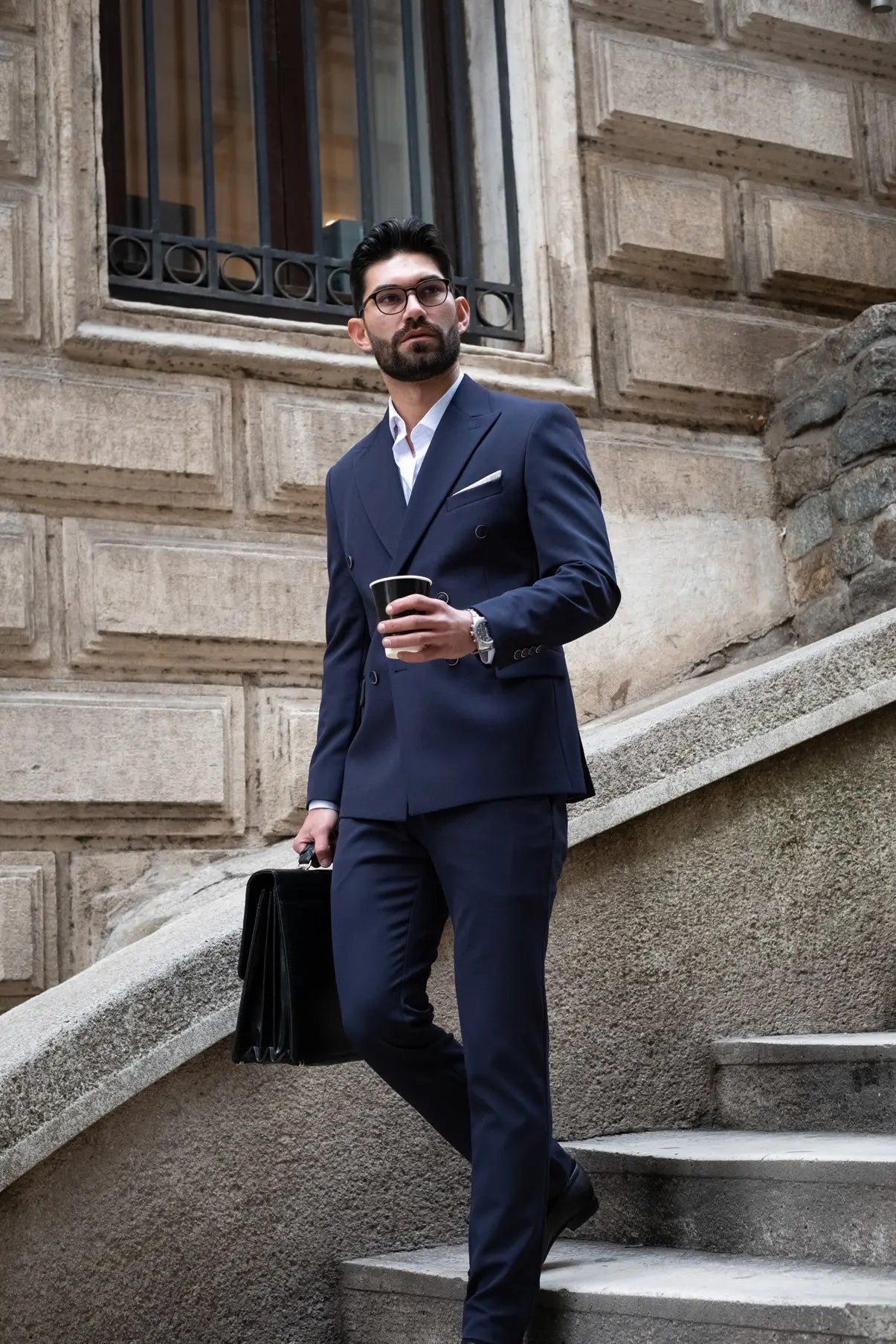
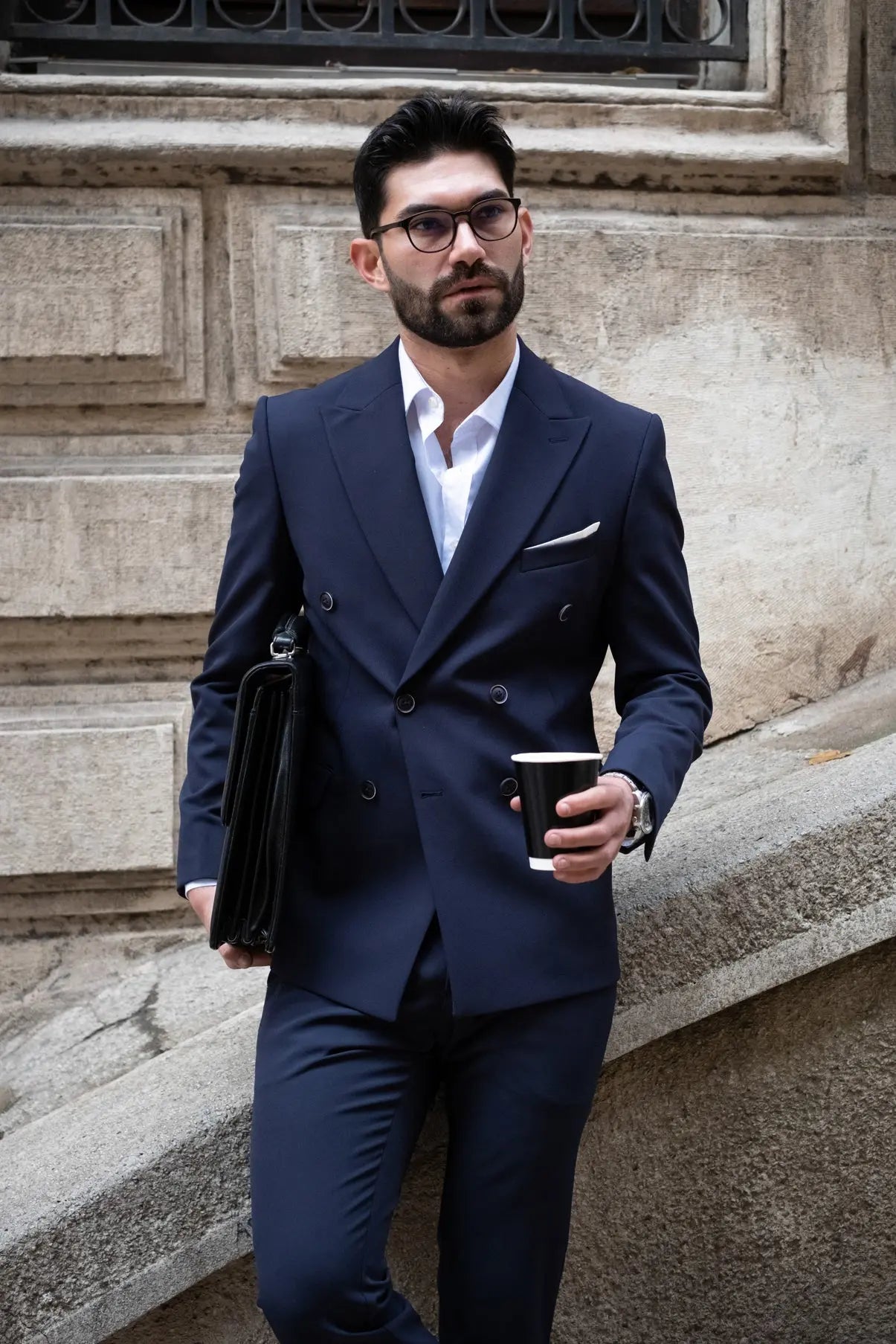
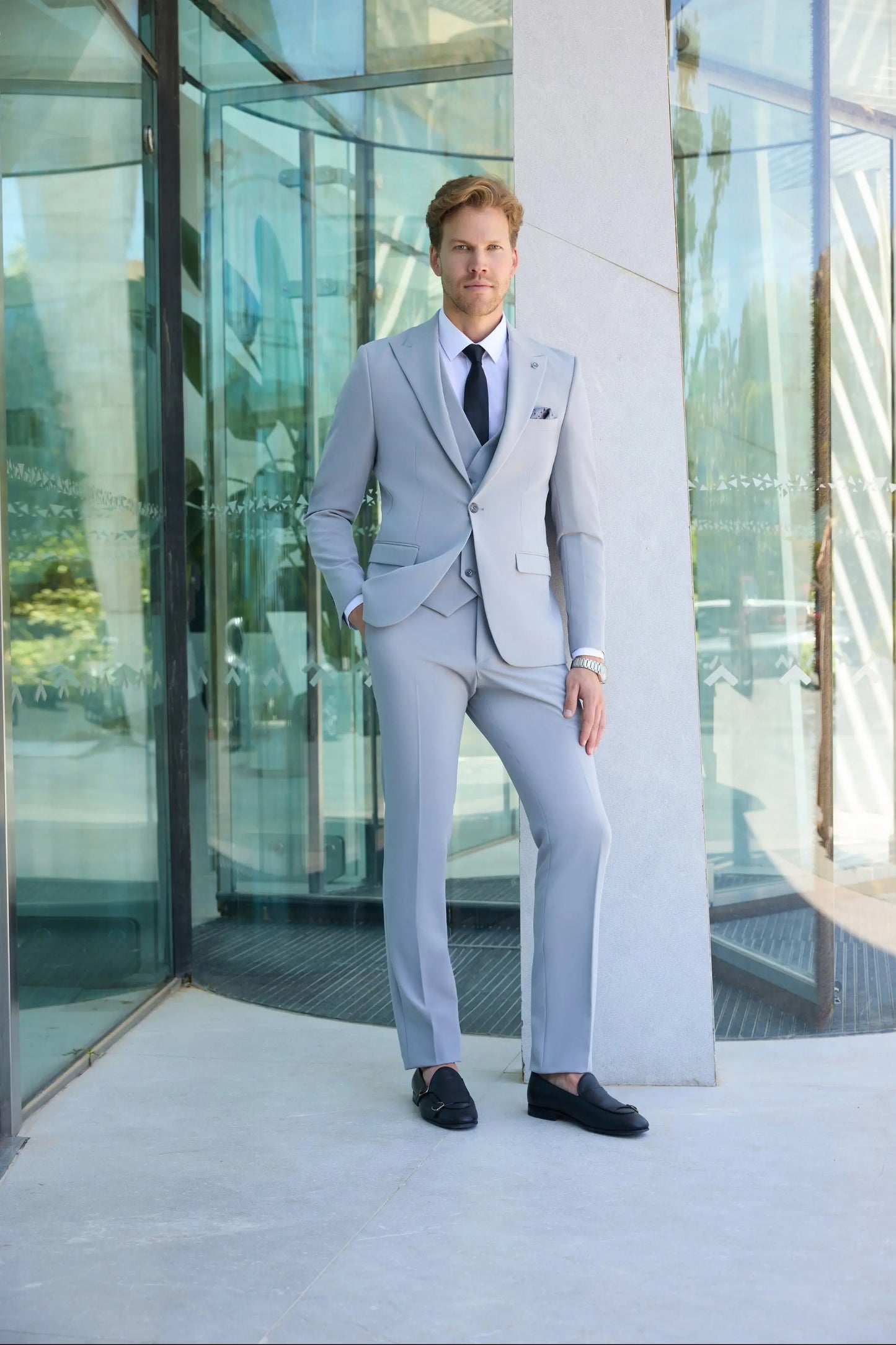
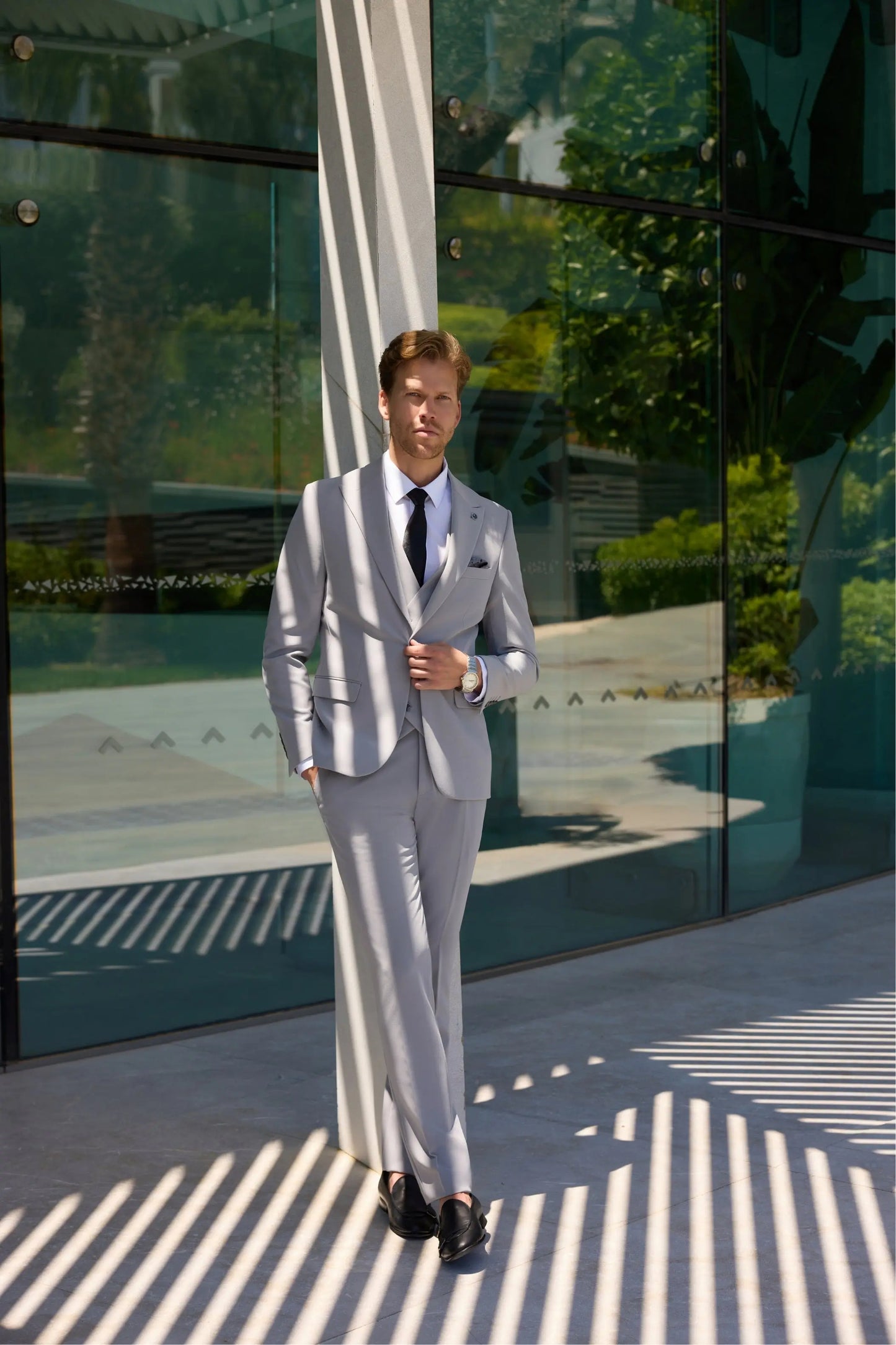
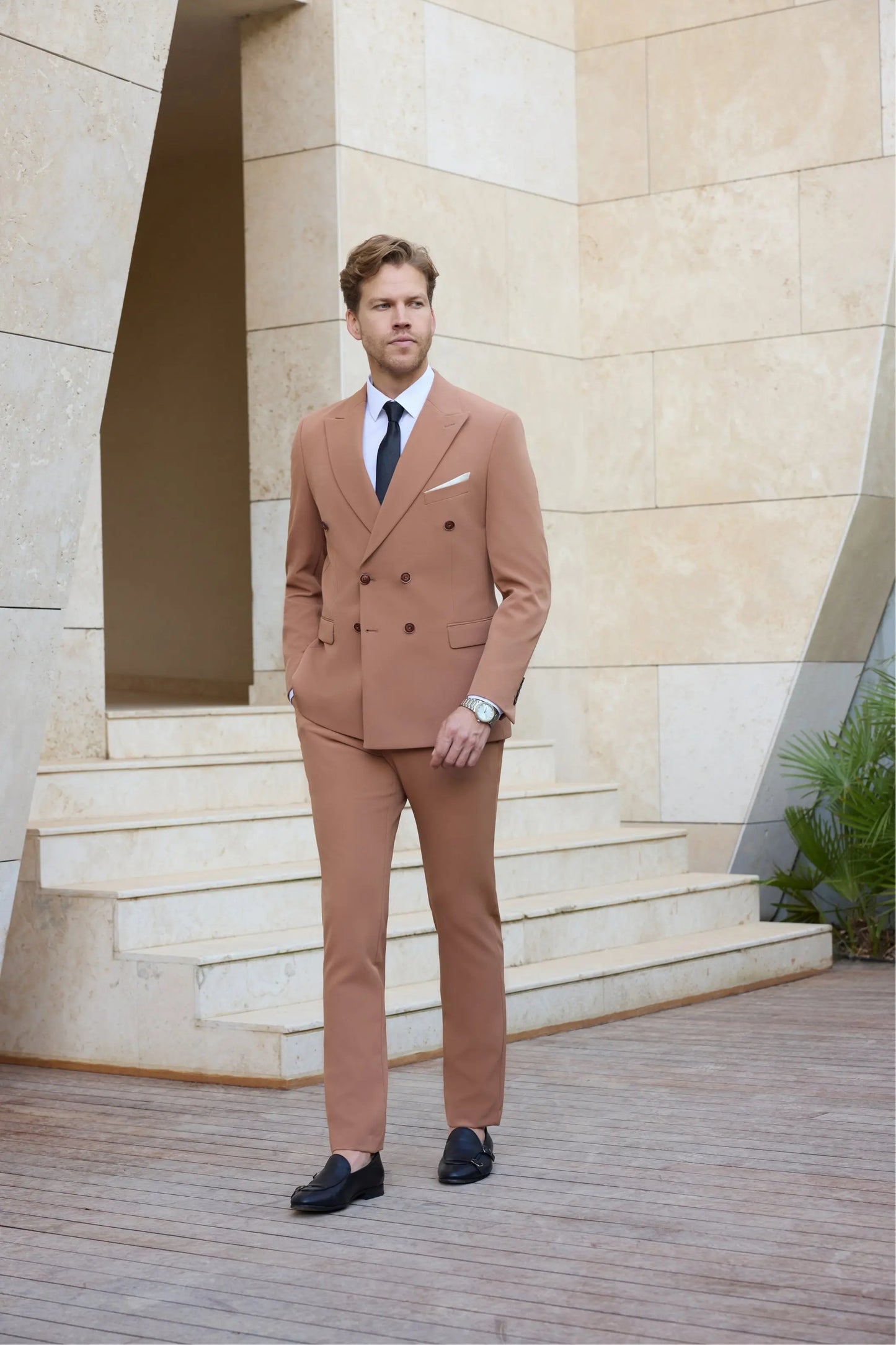
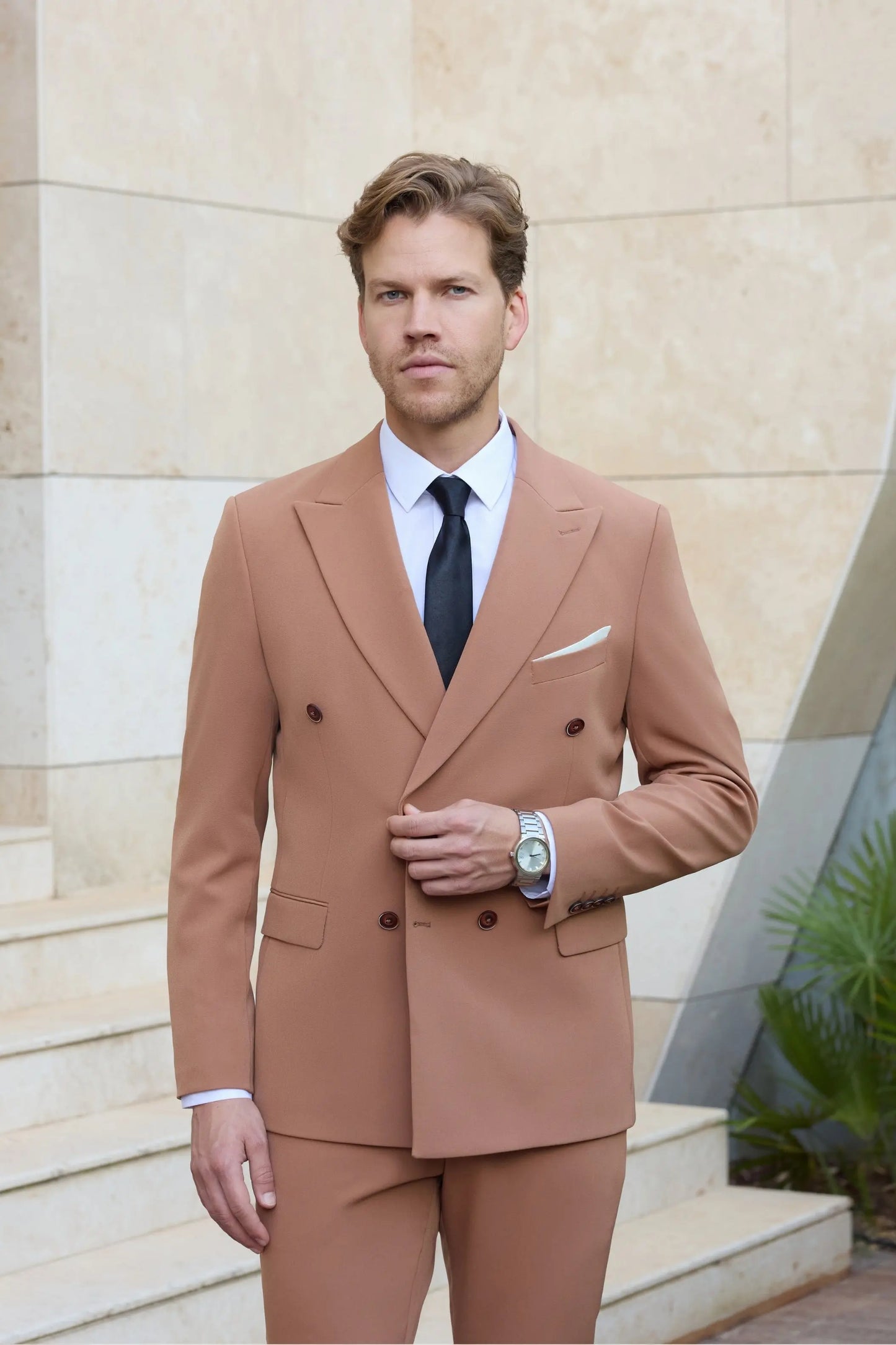
Casual suits for men bring relaxed sophistication to modern dressing, with slim fit suit styles that stay polished without feeling overly formal.
This store requires javascript to be enabled for some features to work correctly.


Casual suits for men bring relaxed sophistication to modern dressing, with slim fit suit styles that stay polished without feeling overly formal.
Casual suits for men bring polished tailoring into relaxed settings, making them useful for dinners, smart casual events, and modern everyday dressing.
Wear casual suits with open-collar shirts, lightweight knits, or simple dress shirts. Loafers and minimal accessories keep the look refined without feeling too formal.
Casual suits are the answer for men who want to look sharp without feeling overdressed. Blending relaxed tailoring with modern fabrics, casual suits deliver a polished look that still feels easy, breathable, and comfortable enough for real life—from the office to weekend plans and everything in between. Instead of stiff, ultra-formal cuts, today’s casual suits focus on movement, versatility, and effortless style, making them a smart alternative to traditional business suits.
What sets casual suits apart is their flexibility. You can wear the jacket with jeans, the trousers with a knit polo, or the full suit with a simple T‑shirt and sneakers. This mix-and-match potential turns one suit into multiple outfits, helping you build a modern wardrobe that works hard without looking like you tried too hard. For men who want a clean, contemporary look that still respects dress codes, a well-chosen casual suit is now a wardrobe essential.
Casual suits are two-piece outfits—typically a blazer and matching or coordinating trousers—designed with softer structure, lighter fabrics, and more relaxed details than classic business suiting. Instead of rigid shoulder pads and heavy wool, these suits often feature unstructured shoulders, breathable materials, and a more natural drape. The goal is to keep the smart, tailored appearance of a suit while offering the comfort and ease of casual wear.
Unlike formal suits that are reserved for boardrooms and black‑tie events, casual suits are built for everyday life. They work for modern offices, date nights, brunches, and even relaxed weddings. You’ll often see them styled without a tie, worn over T‑shirts or polos, and paired with loafers, boots, or clean sneakers. This balance of comfort and sophistication is what makes casual suits so valuable in a contemporary men’s wardrobe.
The concept of relaxed tailoring has evolved alongside changes in workplace culture and social norms. As strict dress codes have softened, men no longer need to choose between a full formal suit and completely informal clothes. Designers and brands responded by creating suits with softer structures, slimmer but comfortable cuts, and fabrics that feel good from morning to night. What started as a niche trend has now become a mainstream category.
Today, casual tailoring reflect a more relaxed approach to tailoring. Jackets may come unlined or partially lined for breathability, trousers often have drawstring or elastic waists hidden inside for extra comfort, and patterns like subtle checks or textured weaves are widely accepted. This evolution means men can enjoy the confidence of wearing a suit without the stiffness or formality that once came with it.
The strength of modern suit styles lies in their ability to combine comfort with a refined appearance. Fabrics like cotton, linen blends, stretch wool, and jersey allow you to move freely while still holding a tailored shape. Unstructured shoulders, soft lapels, and flexible waistbands make these suits feel closer to your favorite casual jacket than a rigid business suit, yet the overall effect remains sharp and intentional.
At the same time, the clean lines and coordinated pieces maintain a sophisticated look that instantly elevates your presence. Paired with a simple shirt or knitwear and thoughtful accessories, Relaxed tailoring can easily move from informal settings to semi-formal occasions. This dual nature—relaxed in feel, refined in appearance—is exactly why they have become a go‑to choice for modern men.
There are many variations of modern suit styles, each designed to suit different climates, lifestyles, and dress codes. From breezy linen suits for high summer to structured yet relaxed business casual options, the category covers a wide range of styles. Understanding the main types will help you select the right casual suit for your needs and avoid buying something that looks good on the hanger but doesn’t fit your daily routine.
When you shop for These suits, pay attention to fabric, construction, and details. Some suits are clearly aimed at warm weather, others at office environments, and some are built as all‑rounders that work in multiple situations. Choosing the right type ensures you get the best balance of comfort, durability, and style for the way you live.
|
Type of Casual Suit |
Best For |
Key Fabrics |
|---|---|---|
|
Linen & Cotton Smart-Casual styles |
Summer, outdoor events, travel |
Linen, cotton, linen‑cotton blends |
|
Business Relaxed tailoring |
Modern offices, smart‑casual meetings |
Stretch wool, cotton blends, jersey |
|
Lightweight & Seasonal Suits |
Transitional weather, year‑round layering |
Light wool, seersucker, flannel, blends |
Business casual environments call for modern suit styles that appear professional without looking overly formal. These suits often come in solid navy, charcoal, or muted patterns, cut in streamlined but comfortable silhouettes. Structured enough to look office‑ready yet relaxed enough to wear without a tie, they bridge the gap between traditional business attire and everyday wear. Stretch fabrics and partial linings are common, allowing you to stay comfortable through long hours and commutes.
When selecting business‑appropriate These suits, focus on pieces you can break apart easily. A navy blazer from a business casual suit can work with chinos or dark denim, while the trousers can be worn with knitwear or casual shirts. This flexibility ensures you get maximum value from your purchase and can adapt quickly to different workplace expectations or after‑hours plans.
Seasonal fabrics allow Relaxed tailoring to perform well throughout the year. Lightweight wool and seersucker are perfect for spring and summer, offering breathability while retaining a crisp, tailored look. In cooler months, brushed cotton, light flannel, and soft wool blends provide warmth without the heaviness of traditional formal suiting. These fabrics let you stay stylish in changing weather without sacrificing comfort.
Rotating your Casual Tailoring by season also extends their lifespan. Wearing lighter fabrics in warm weather and switching to richer textures as temperatures drop reduces wear and tear and keeps your look fresh. Many brands release seasonal collections that highlight these fabric changes, making it simple to choose suits that match both the climate and current trends.
The beauty of These suits lies in their styling potential. With a few smart choices, the same suit can work for a semi‑formal event, a day at the office, or a relaxed evening out. The key is to adjust your shirt, footwear, and accessories to match the occasion. Dress shirts and loafers immediately sharpen the look, while T‑shirts and sneakers introduce a more laid‑back feel.
Think of Smart-Casual styles as a flexible base. By layering differently—switching from a button‑down to a polo, or from Oxfords to minimal sneakers—you can quickly move from one environment to another. This adaptability makes relaxed tailoring especially useful for busy days when you don’t have time to fully change outfits between meetings, social plans, and travel.
For weddings and dressy occasions, modern suit styles offer a smart alternative to traditional tuxedos, especially when the dress code is cocktail, smart‑casual, or semi‑formal. Opt for darker tones like navy, charcoal, or deep green in refined fabrics such as lightweight wool or a linen‑blend with a clean finish. Pair the suit with a crisp dress shirt, leather belt, and classic shoes to maintain a celebratory yet relaxed aesthetic.
Daytime and outdoor weddings often welcome lighter, more breathable These suits in shades like beige, light grey, or soft blue. A tie is optional depending on the formality level—skipping it can keep the look modern and approachable. Pocket squares, subtle cufflinks, and a quality watch can elevate your outfit without making it feel stiff or overdone.
For everyday wear, Smart-Casual styles excel at taking you from office hours to off‑duty moments with minimal effort. At work, pair your suit with an open‑collar shirt or fine‑gauge knit and loafers for a polished yet relaxed vibe. When the day is done, swap the shirt for a simple crew‑neck T‑shirt and change into clean sneakers for a look that works at dinner, drinks, or casual gatherings.
You can also break up Relaxed tailoring to create more outfits. Wear the blazer over jeans and a polo for Friday meetings, or style the trousers with a hoodie and leather jacket for weekend errands. This modular approach transforms a single suit into a small wardrobe, helping you stay stylish without owning an excessive number of clothes.
A great‑looking casual suit starts with the right fit. Even the best fabric and color will fall flat if the jacket is too tight or the trousers pool around your ankles. modern suit styles are generally cut with a bit more ease than formal suiting, but they should still follow your body’s natural lines. Shoulders must sit correctly, sleeves should show a little shirt cuff, and the trouser hem should rest cleanly on your shoe.
When trying on These suits, focus on comfort as much as appearance. You should be able to sit, walk, and move your arms without pulling or strain. Pay attention to how the suit feels across your back and thighs, as these are common tension areas. If you’re between sizes or have proportions that don’t match standard sets, consider brands that offer separates or in‑store alterations.
Most Smart-Casual styles are available in three main silhouettes: tailored, slim, and relaxed. A tailored fit follows the body closely without feeling tight, offering a classic shape that flatters most builds. Slim fits are more tapered through the waist, chest, and legs, creating a sharper, more modern profile that works best for lean or athletic frames. Relaxed fits provide extra room and drape, ideal for comfort‑focused dressers or those who prefer a more laid‑back look.
Choosing the right fit for your Relaxed tailoring depends on your body type and personal style. If you’re unsure, start with a tailored fit—it’s the most versatile and can be easily adjusted. Slim fits are perfect for trend‑forward outfits and minimal styling, while relaxed fits pair well with T‑shirts, chunky knitwear, and casual footwear. Whenever possible, try on multiple fits to see how each complements your proportions.
Suit separates are a powerful tool when buying Casual Tailoring. Instead of purchasing a fixed jacket‑and‑trouser combination, you choose each piece in your own size. This is especially helpful if your jacket size and waist size don’t match standard ratios—for example, broad shoulders with a smaller waist, or the opposite. With separates, you can achieve a much more precise, personalized fit.
Many brands that specialize in modern suit styles also offer in‑store alterations, allowing you to fine‑tune sleeve length, trouser hem, and taper. Customizing your fit in this way ensures your suit looks intentional rather than “off the rack.” The result is a set of pieces that not only look better but also feel more comfortable, encouraging you to wear them more often.
Maximizing the potential of These suits comes down to smart styling. Simple tweaks to your shirt, shoes, and accessories can transform the same suit from understated to standout. Focusing on color coordination, proportion, and texture ensures your outfits feel cohesive rather than thrown together. Think of your A relaxed suit as a canvas that you can change with relatively small adjustments.
When planning outfits with Smart-Casual styles, consider the overall message you want to send. Neutral tones with minimal accessories create a calm, confident look, while bolder shirts or patterned ties inject personality. Keeping a few reliable combinations—like navy suit with white T‑shirt and white sneakers—on standby makes daily dressing faster and more stress‑free.
One of the biggest advantages of Relaxed tailoring is the ability to wear the pieces separately. A casual blazer can instantly elevate jeans and a T‑shirt, while suit trousers can smarten up a hoodie or casual knit. Sticking to versatile colors like navy, grey, khaki, and olive allows you to create numerous combinations without clashing. This approach turns your suit into a modular wardrobe foundation.
To make the most of your Casual Tailoring, experiment with contrasts in texture and tone. Pair a smooth cotton blazer with rugged denim, or combine a textured linen jacket with crisp chinos. Mixing pieces from different suits can also work well if the colors complement each other. Over time, you’ll discover go‑to pairings that feel both comfortable and uniquely your own.
Wear the blazer with dark jeans and loafers for smart‑casual dinners.
Style the trousers with a polo and sneakers for weekend outings.
Layer knitwear under the jacket in cooler weather for added depth.
Thoughtful accessories can sharpen and personalize modern suit styles without undermining their relaxed vibe. Minimalist watches, leather belts, and simple bracelets add interest without overwhelming the outfit. Pocket squares in muted tones or subtle patterns bring a tailored touch, while scarves and beanies can work in colder months if chosen in refined fabrics like wool or cashmere.
Footwear plays a major role in setting the tone of your These suits. Clean white sneakers or leather trainers keep the look modern and relaxed, loafers and derbies steer it toward smart‑casual, and Chelsea boots add an edge that works well in autumn and winter. By rotating accessories and shoes, you can re‑style the same suit countless ways and keep your wardrobe feeling fresh.
Use a pocket square for semi‑formal events, skipping the tie for a modern look.
Choose minimal sneakers for creative offices and casual weekends.
Add a slim leather belt that matches your shoes to pull the outfit together.
In a world where dress codes are increasingly flexible, Relaxed tailoring provide the perfect middle ground between polished and relaxed. They allow you to look put‑together for work, social events, and travel without feeling overdressed or uncomfortable. With the right fabrics, fits, and styling, one or two casual tailoring options can cover more situations than an entire rail of mismatched separates, making them a smart, efficient investment.
By choosing well‑fitting, versatile modern suit styles and learning how to mix and match the pieces, you can build a modern wardrobe that works year‑round. Whether you prefer classic navy tailoring, breezy linen, or bold, fashion‑forward designs, there is a relaxed suit that fits your lifestyle and personality. With their unique blend of comfort, sophistication, and adaptability, these suits have earned their place as a true wardrobe essential for contemporary men.
A casual suit usually has relaxed styling, easy color, and simpler accessories while still keeping a tailored fit.
Yes. Casual suits work well for dinners, smart casual events, and social occasions when styled with a clean shirt or knit.
Loafers, dress shoes, and clean minimal footwear can work with casual suits depending on the occasion.