Dinner Suits for Men
Dinner suits for men bring polished evening style, formal structure, and slim fit suit styles made for dinners, ceremonies, and black-tie settings.
This store requires javascript to be enabled for some features to work correctly.


Dinner suits for men bring polished evening style, formal structure, and slim fit suit styles made for dinners, ceremonies, and black-tie settings.
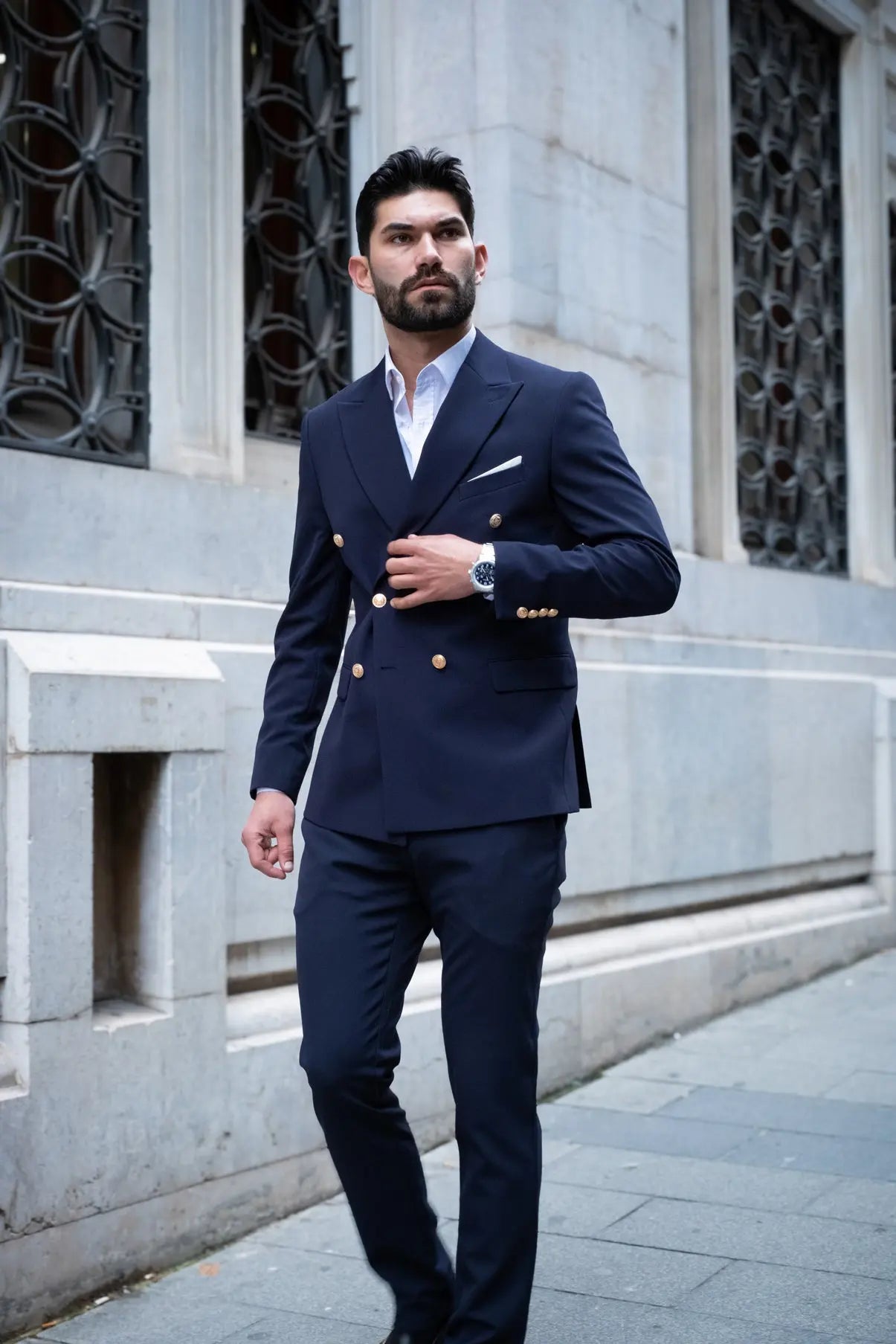
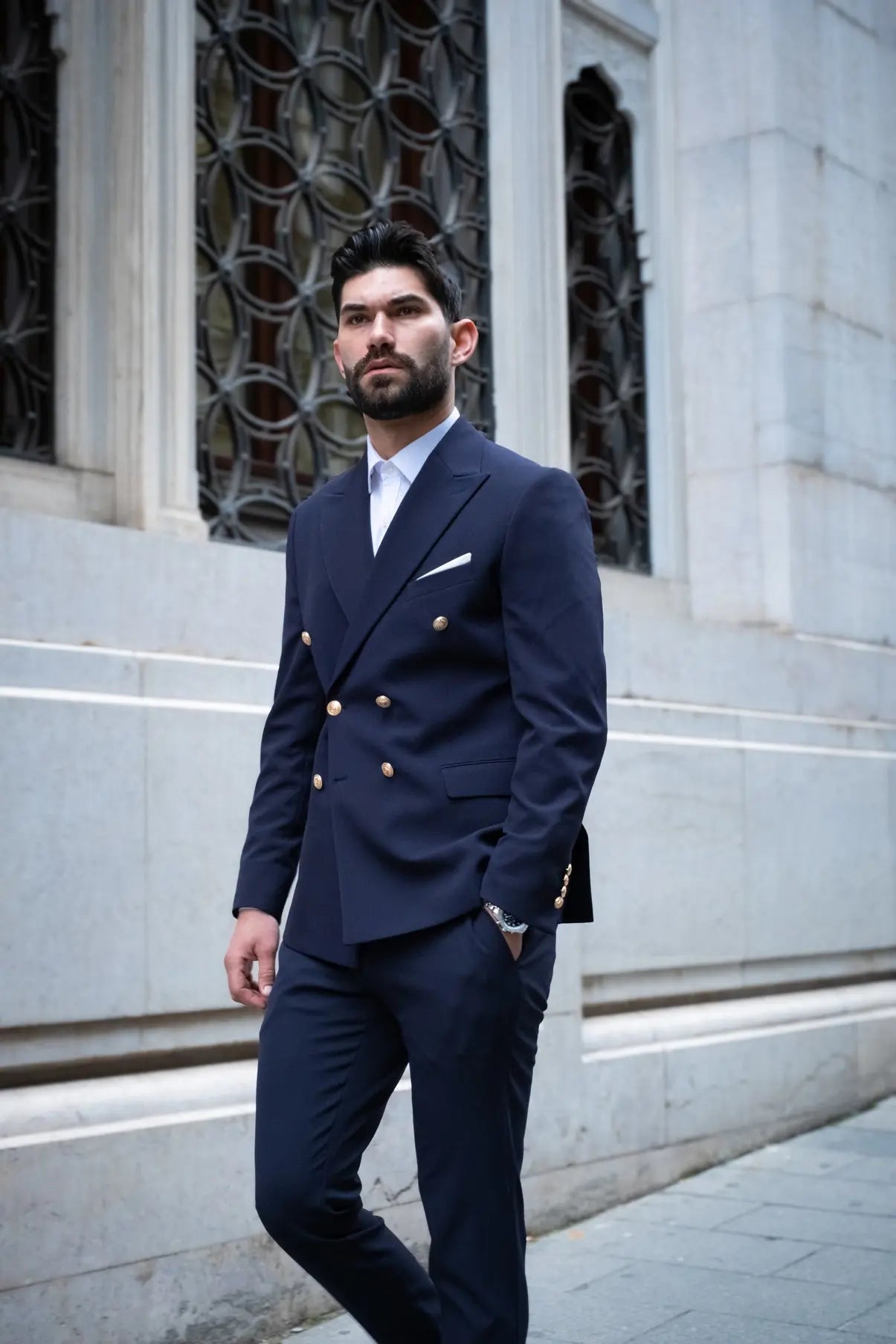
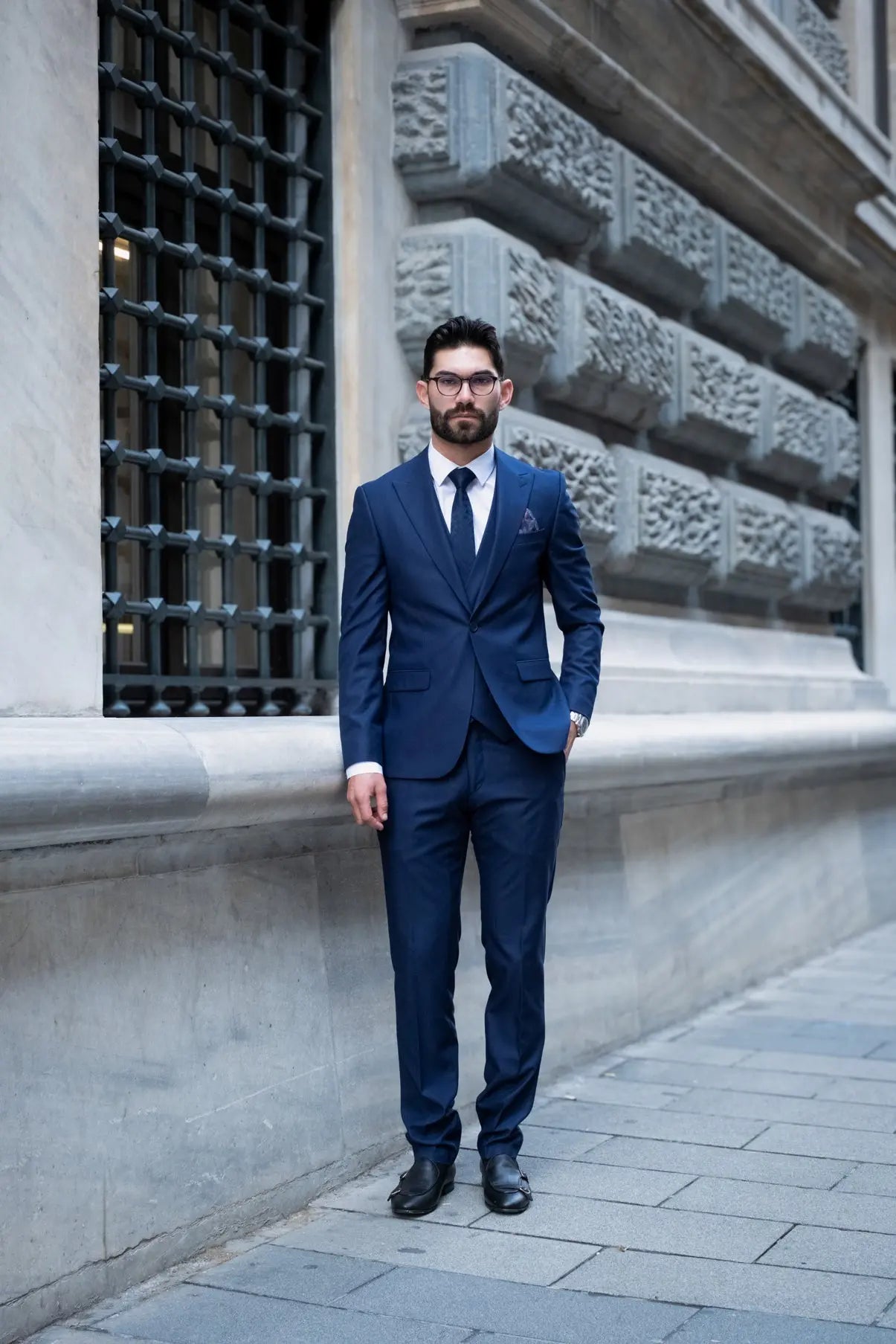
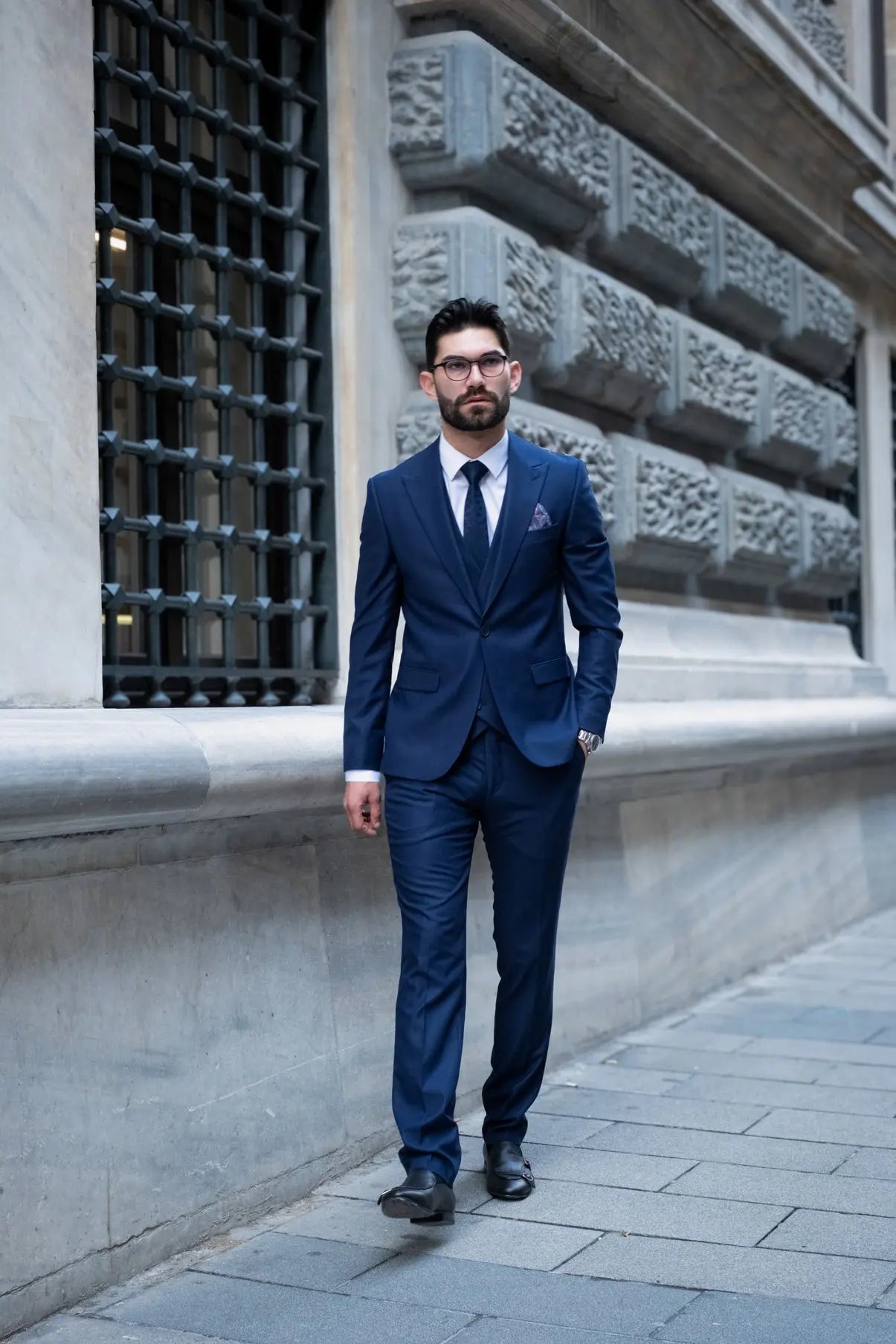
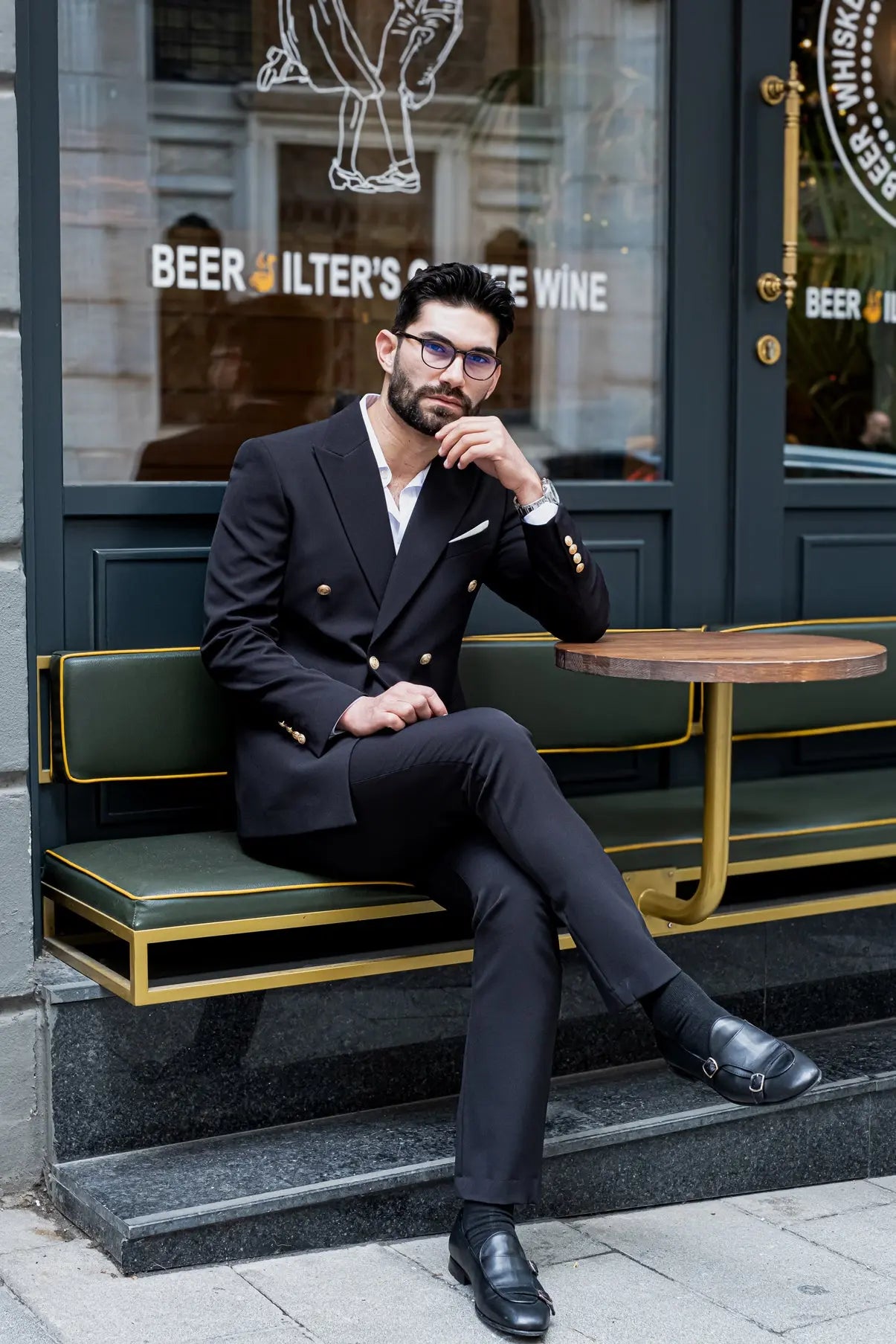
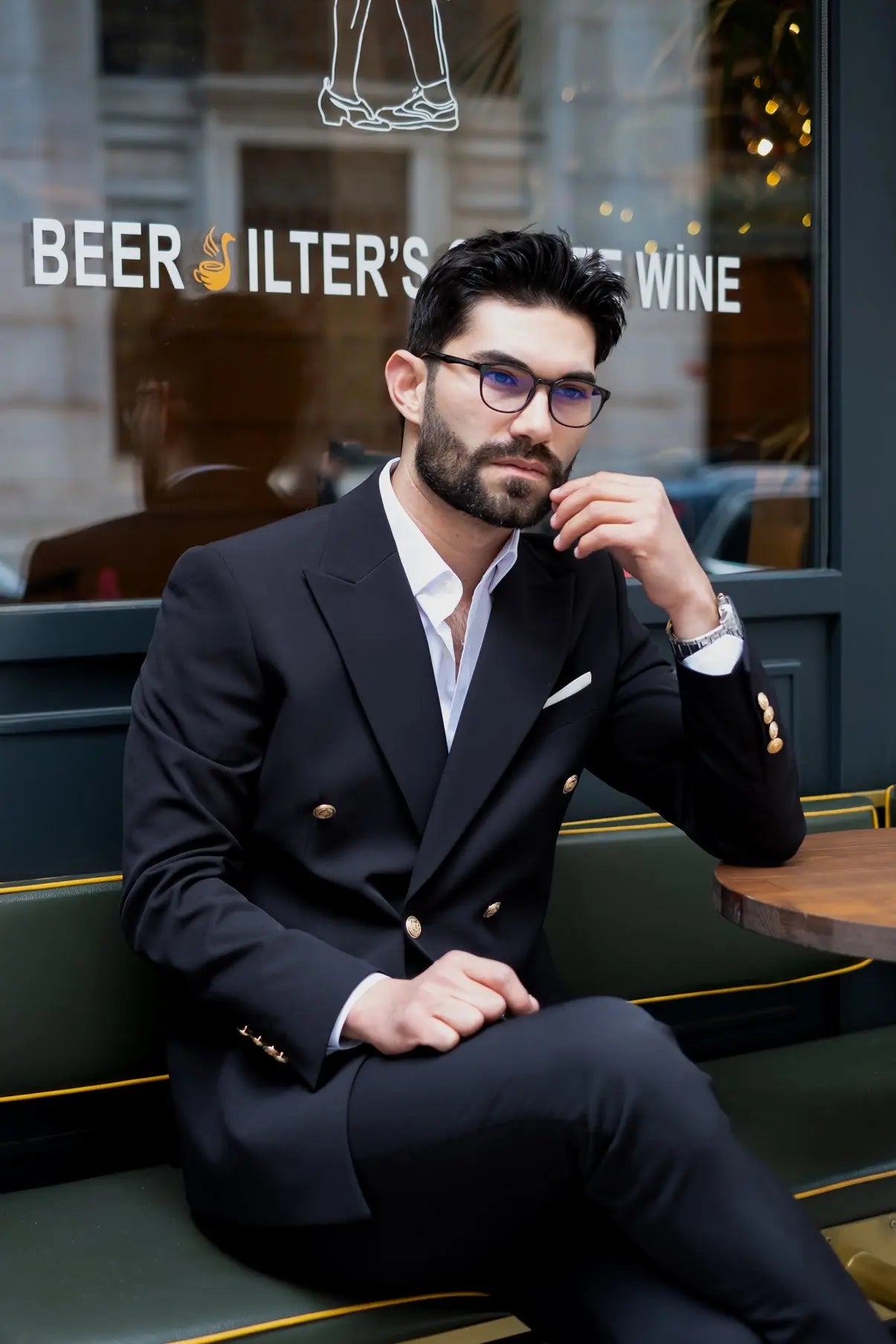
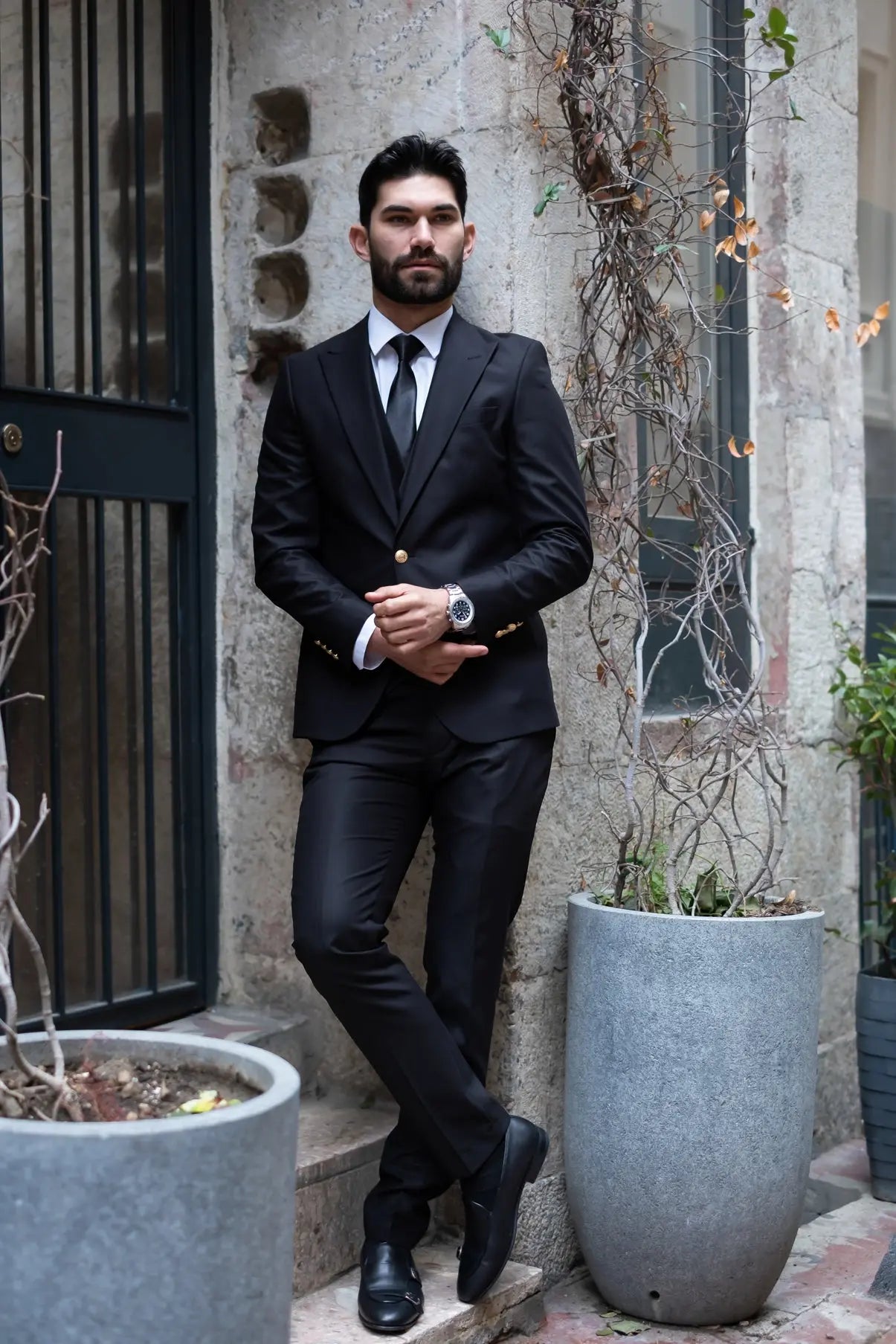
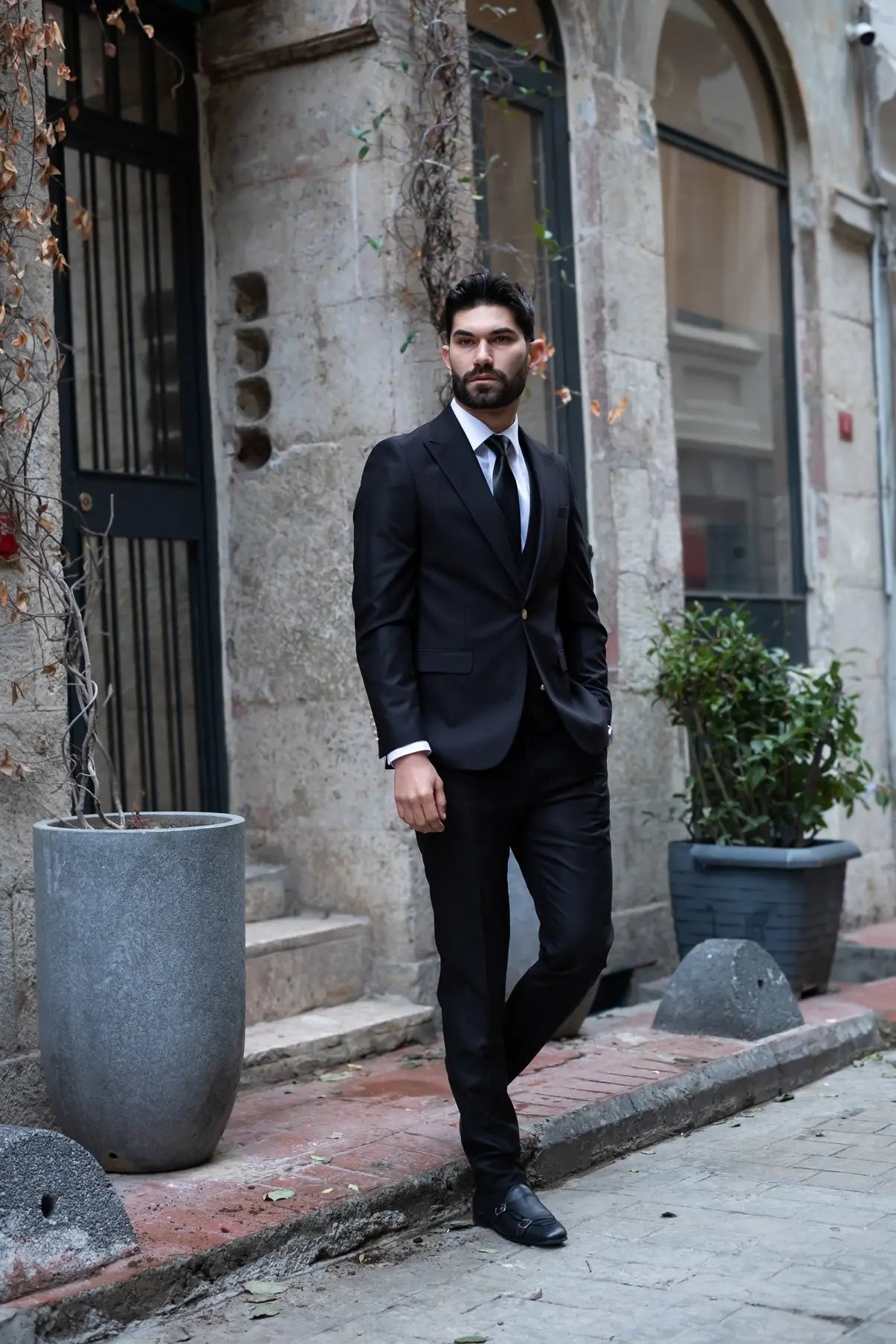
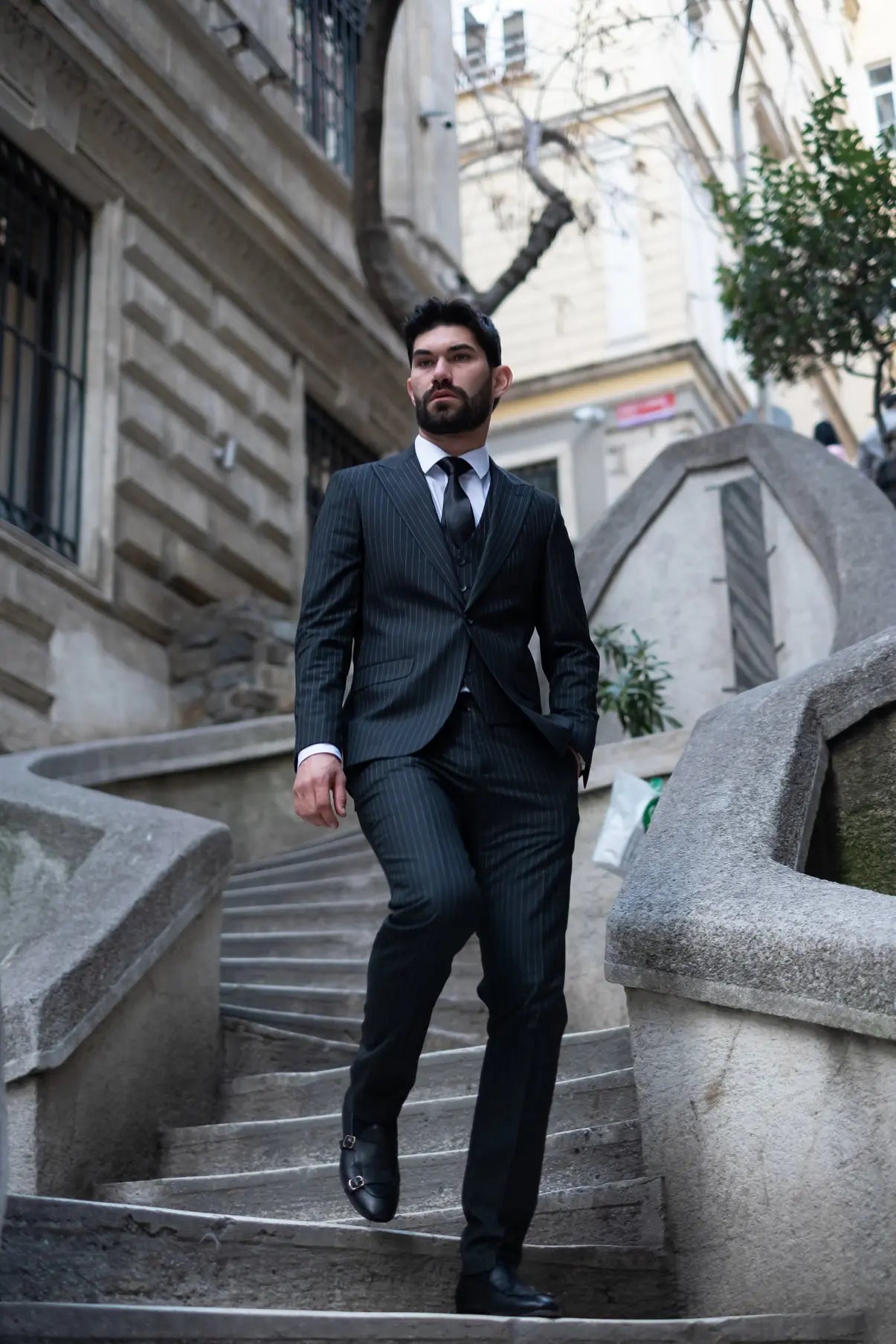
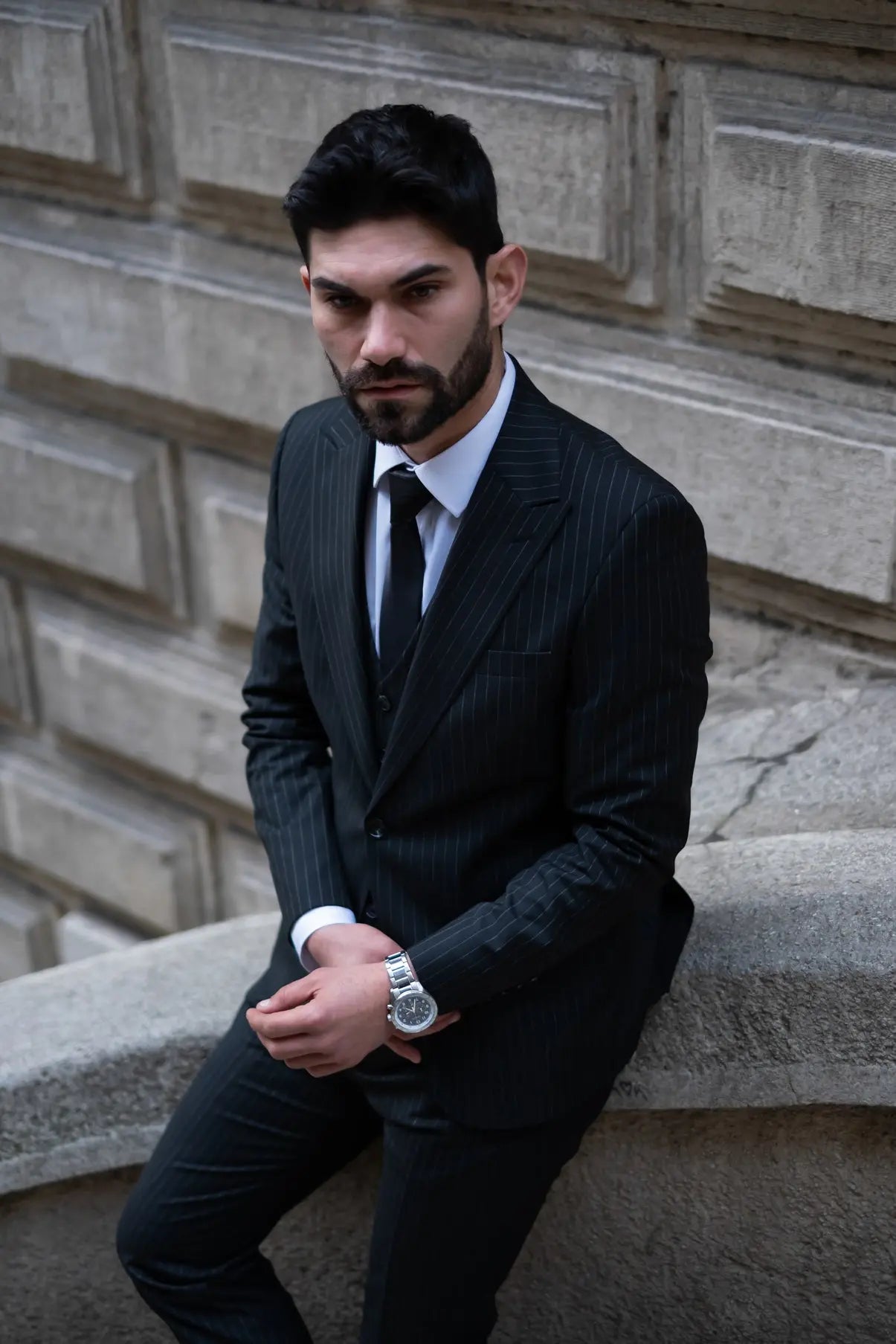
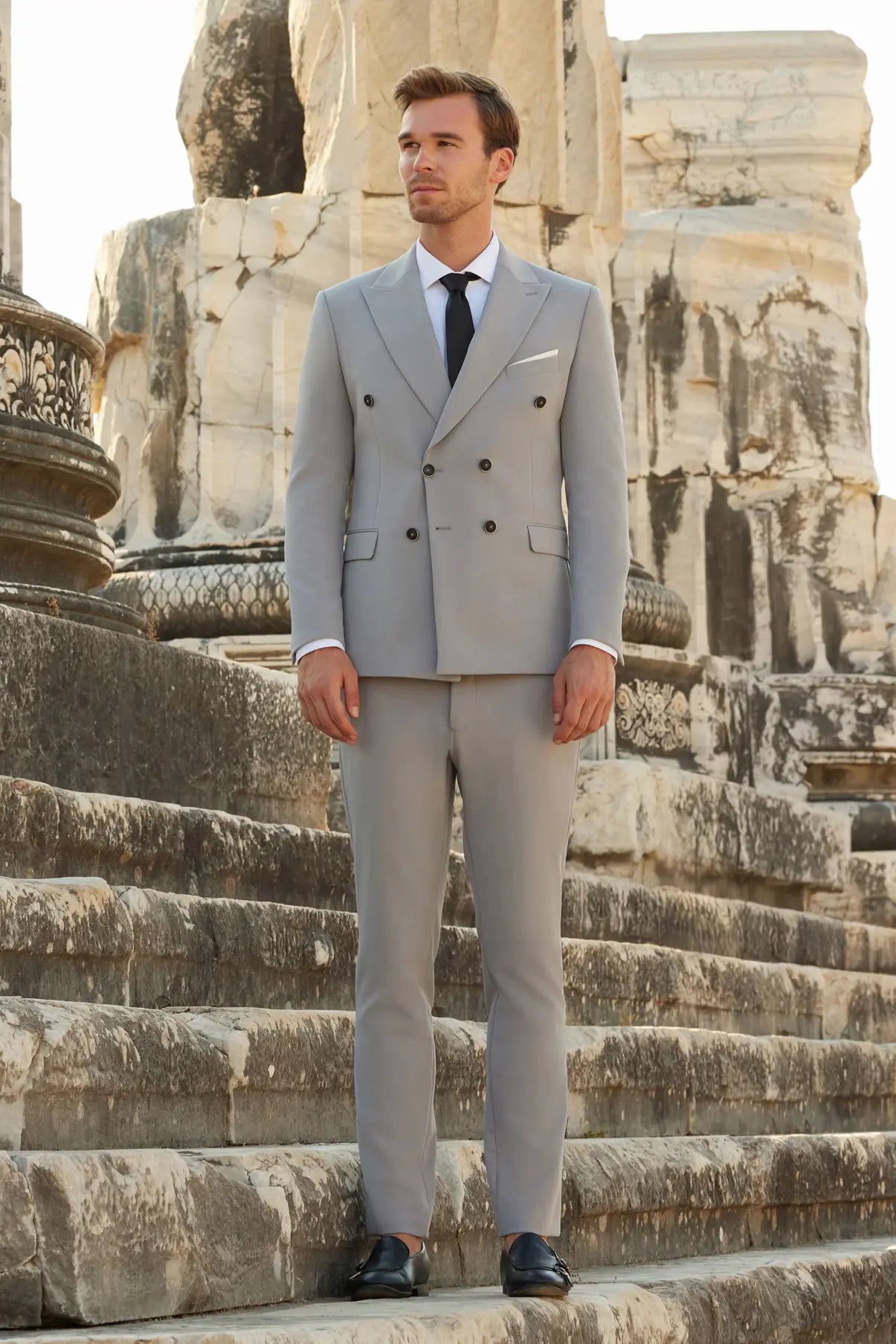
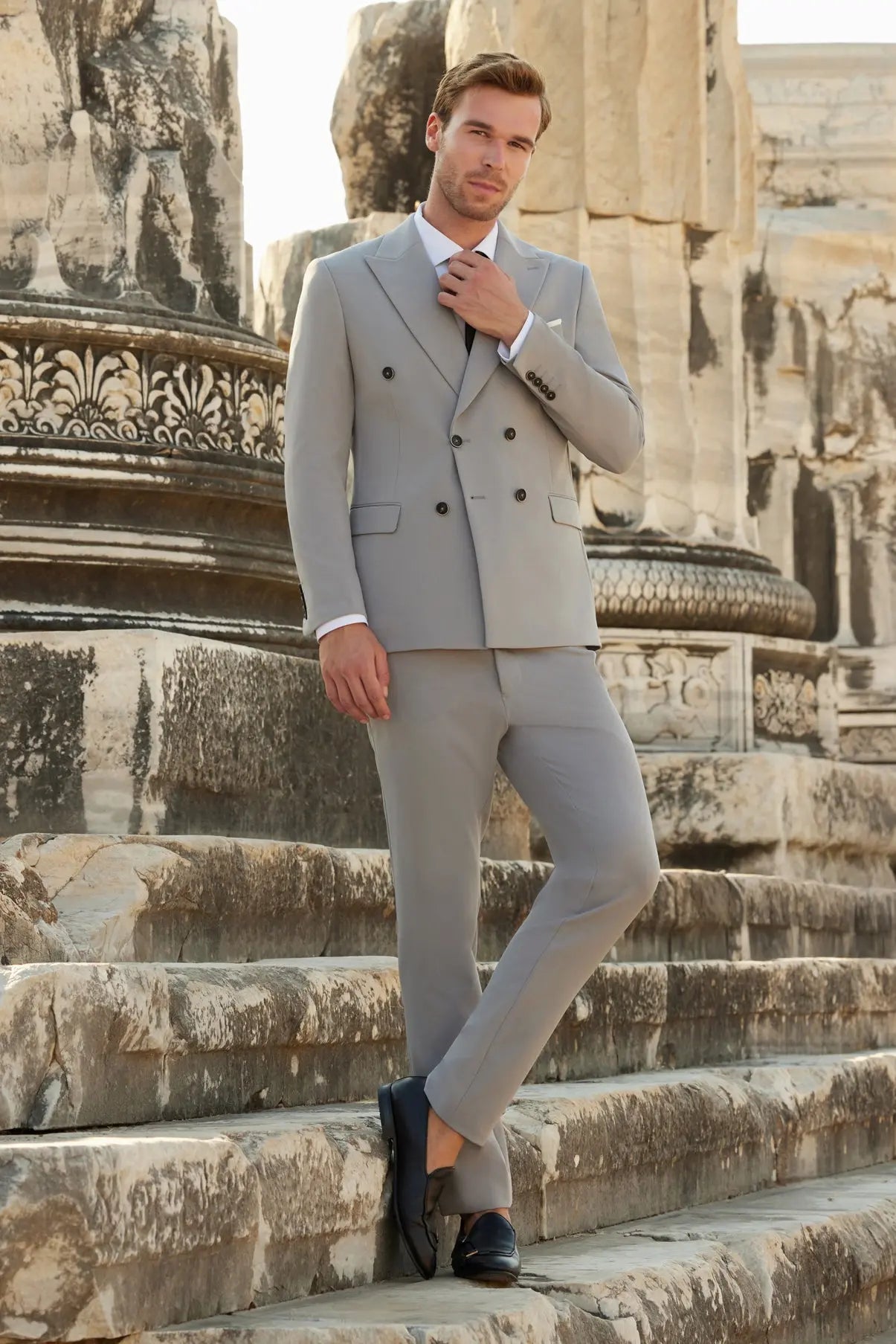
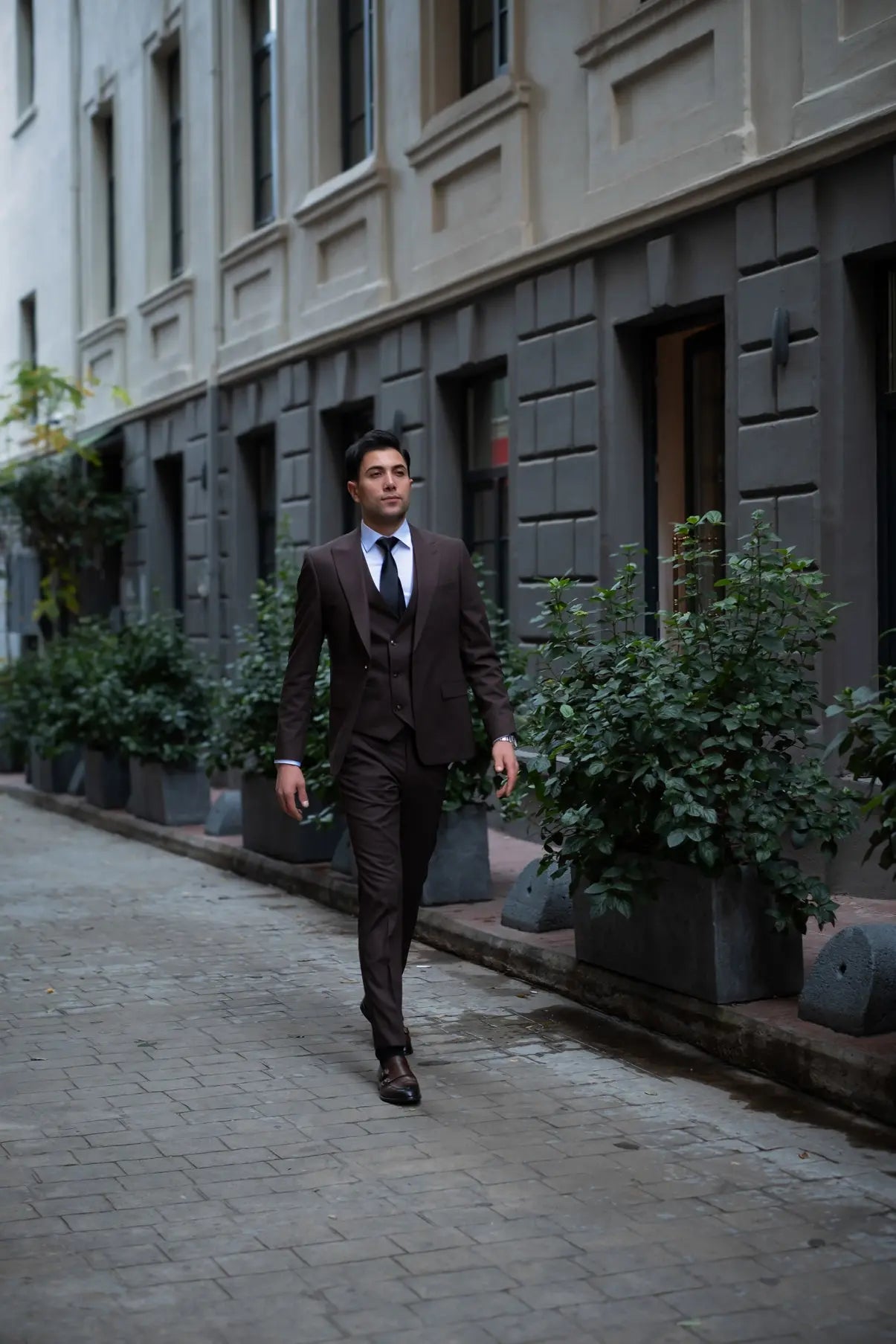
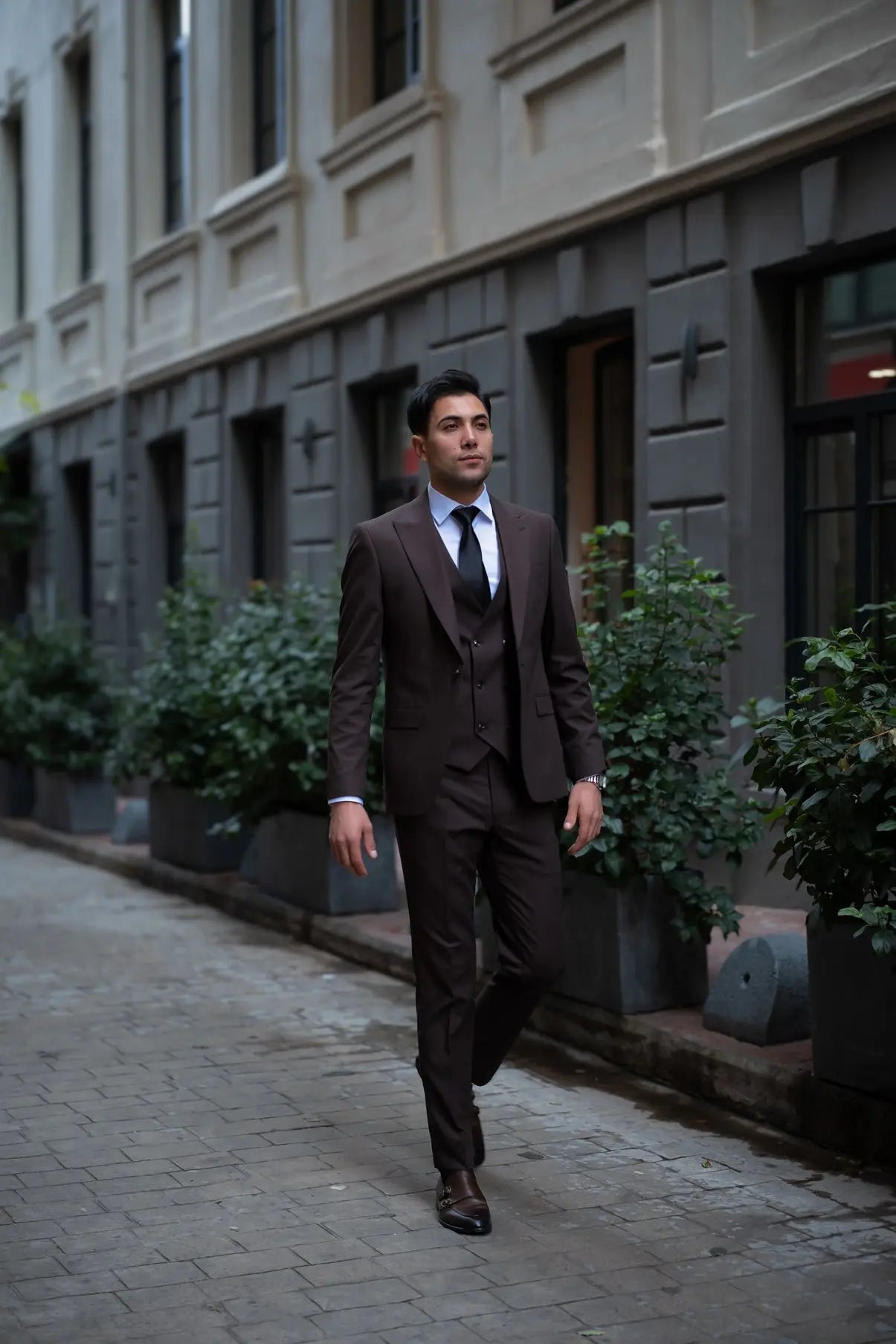
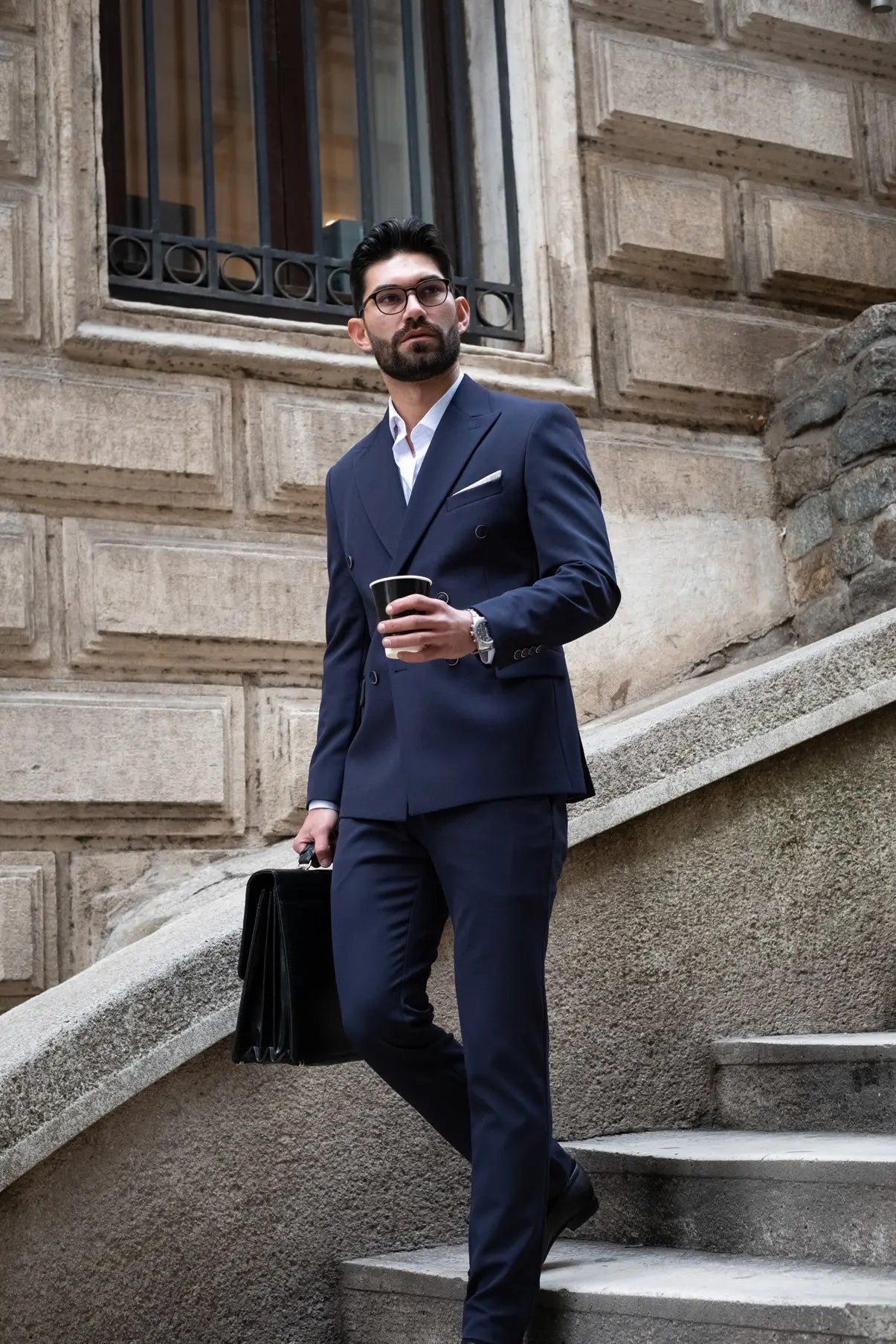
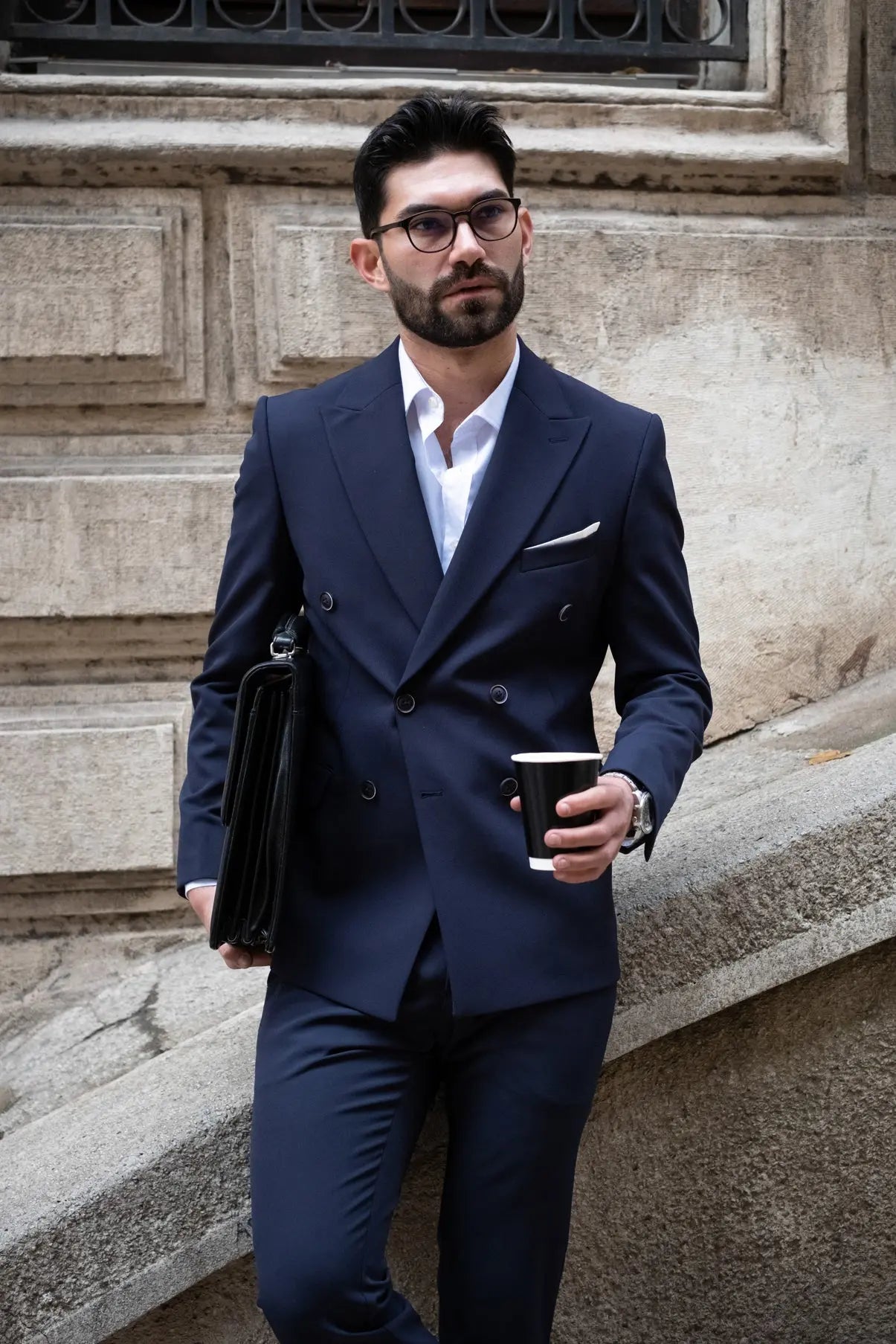
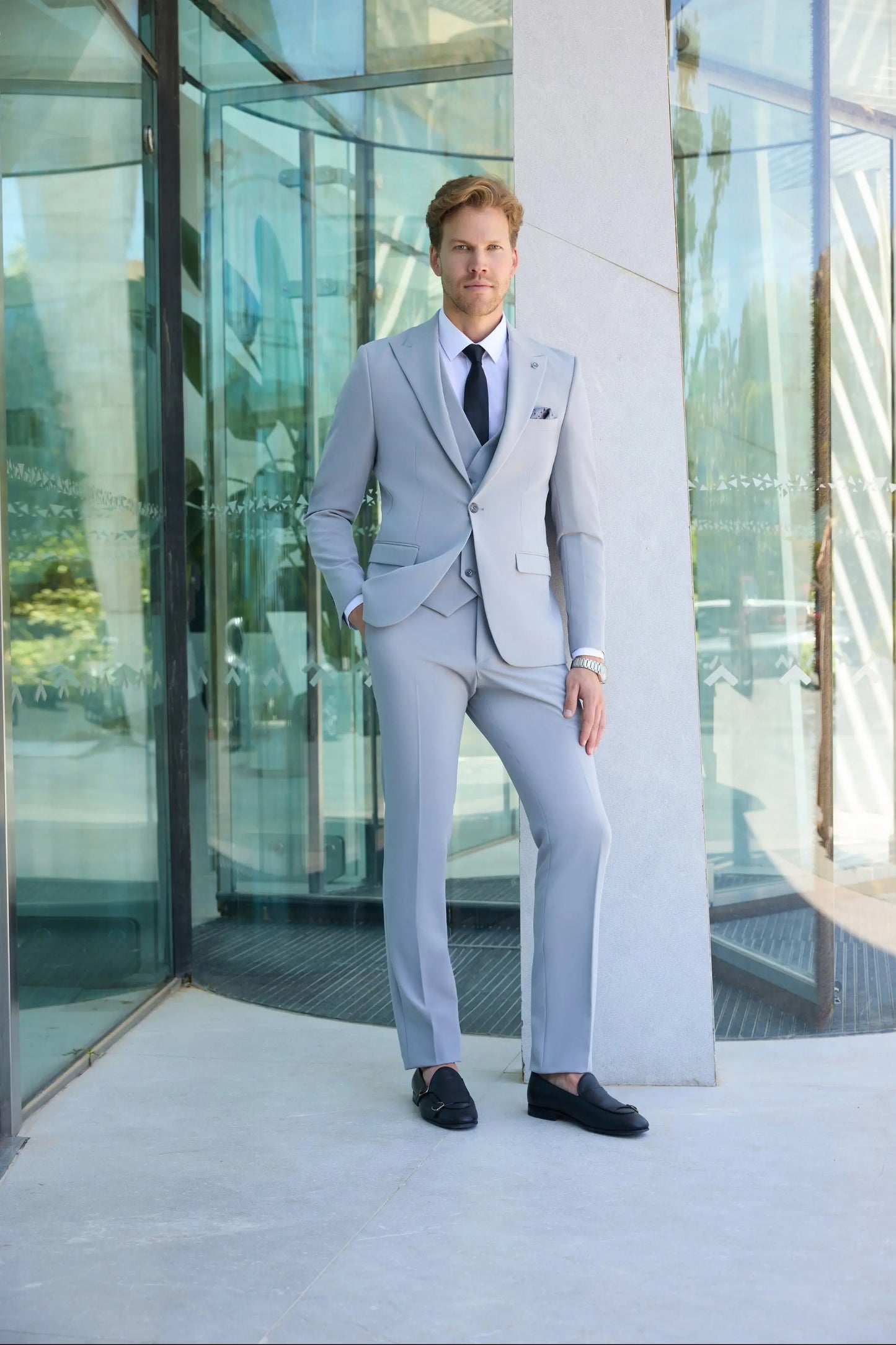
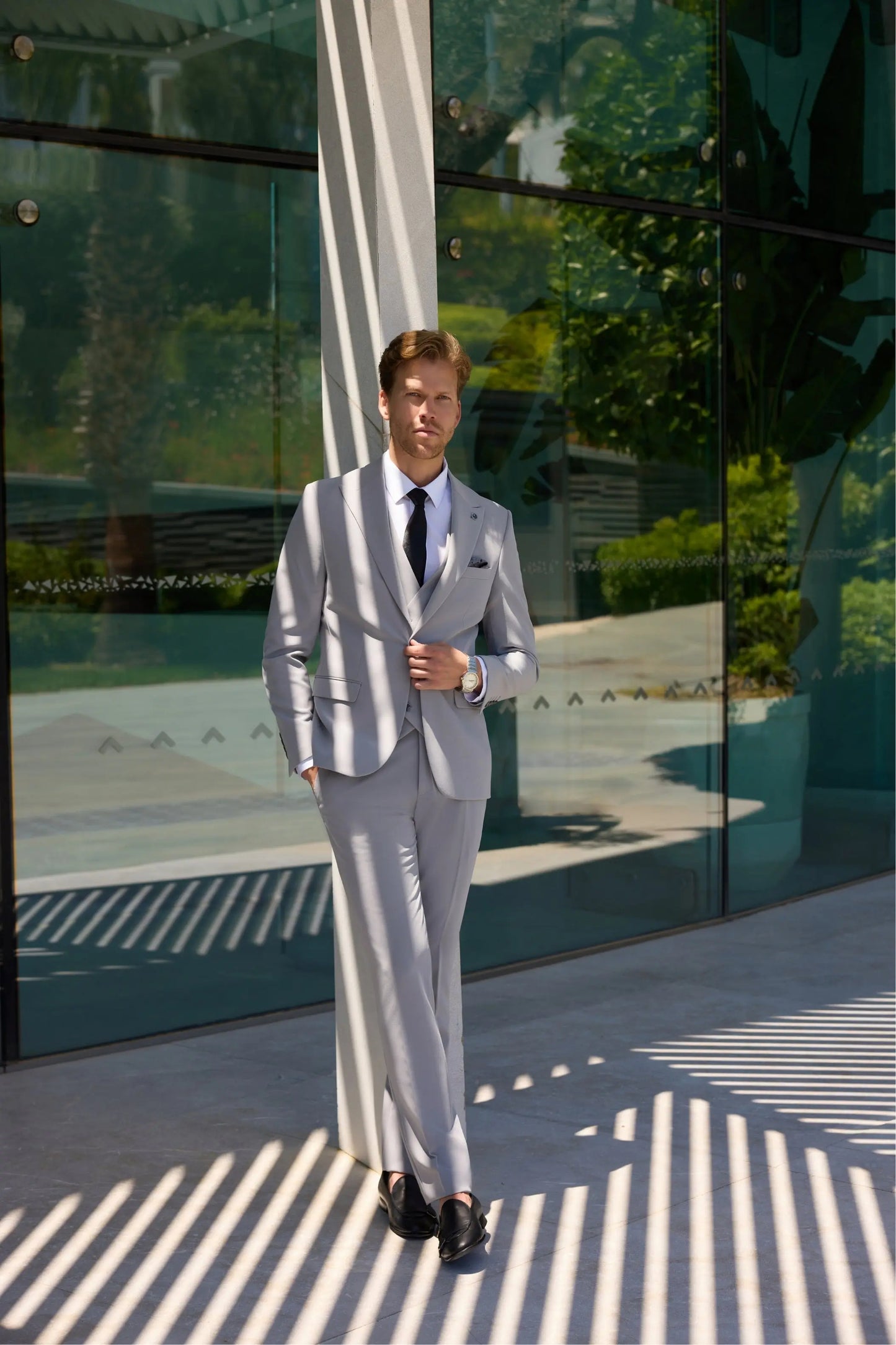
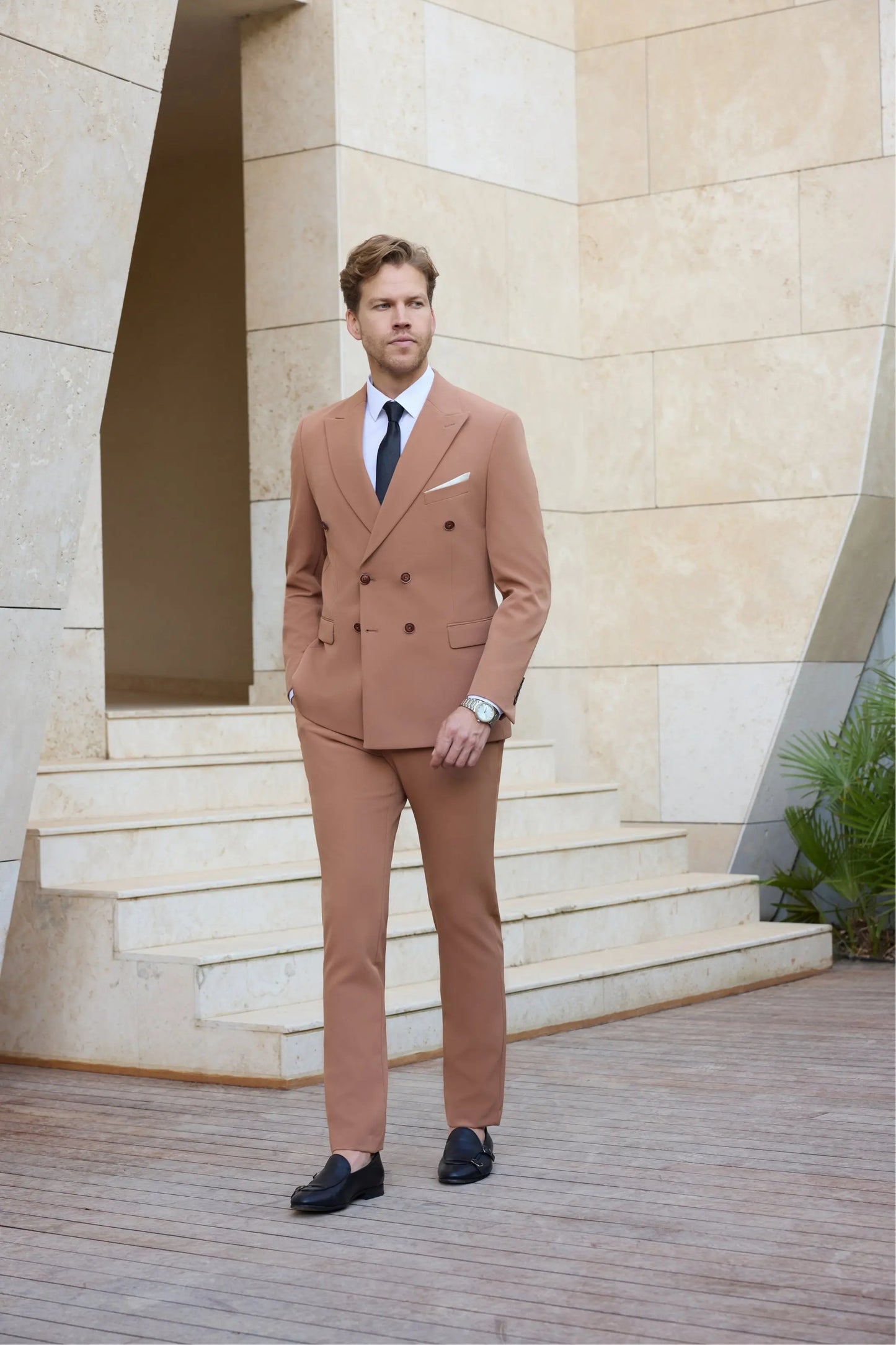
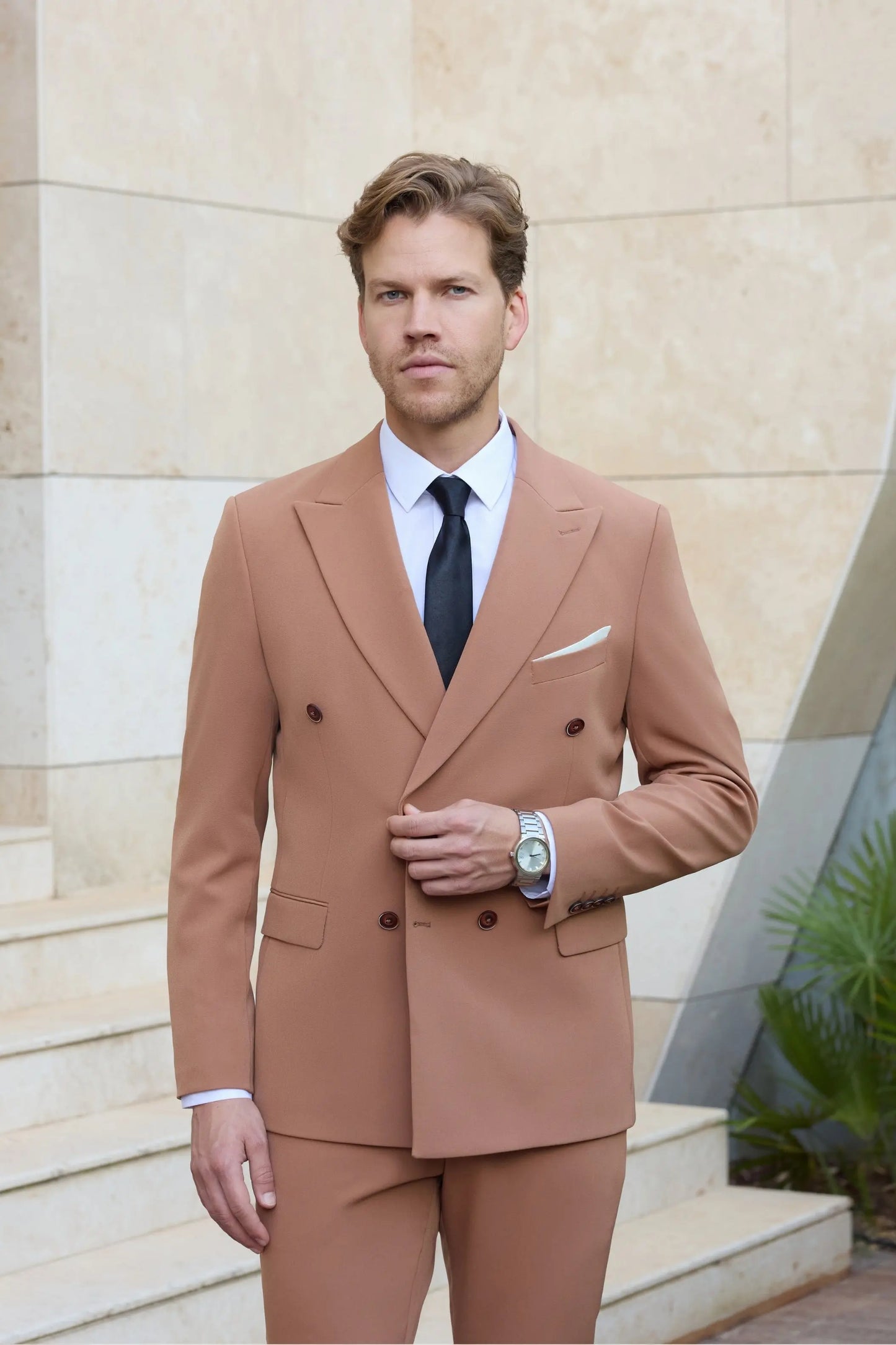
Dinner suits for men are designed for refined evening events, formal dinners, ceremonies, and special occasions. Novo Suit dinner styles combine polished tailoring with elegant color choices.
Choose black, navy, or dark-toned suits for classic evening formality. Keep shirts crisp and accessories minimal for a clean, sophisticated look.
Dinner suits remain the benchmark of refined evening style for men who want to look polished, confident, and appropriately dressed at formal occasions. More structured and elegant than a regular business suit, a dinner suit is designed to flatter the body, work with evening lighting, and meet black-tie expectations without appearing flashy or outdated.
Today’s dinner suits balance classic tailoring rules with contemporary cuts, slimmer silhouettes, and modern fabric options. Whether you are attending a wedding, gala, award ceremony, or corporate event, understanding how a dinner suit should look, fit, and be styled will help you stand out for the right reasons.
A dinner suit is a formal evening ensemble specifically created for black-tie or black-tie optional events. Unlike regular suits designed for daytime business wear, dinner suits are characterized by satin or silk-faced lapels, satin stripes on the trouser side seams, and a more dramatic, sculpted silhouette. These details allow the garment to catch the light beautifully in photographs and under chandeliers or stage lighting.
Typically, a dinner suit consists of a single-breasted jacket with one button, matching trousers without belt loops, a formal shirt, and a bow tie. While black remains the most traditional color, modern dinner suits also appear in deep navy, ivory for warm climates, and subtle fashion shades for special occasions, offering men more choice without sacrificing formality.
The dinner suit emerged in the late 19th century as a more relaxed alternative to the tailcoat, which dominated formal menswear at the time. British gentlemen wanted a garment suitable for private dinners and social evenings that felt comfortable yet still respectful of etiquette. This new style quickly became known as the dinner jacket in the UK and later as the tuxedo in the United States.
Over the decades, dinner suits have evolved with changing tastes. Lapel widths have narrowed and widened, silhouettes have shifted from boxy to slim, and fabrics have become lighter and more breathable. Despite these changes, the core principles—satin lapels, satin trouser stripes, and a clean, minimalist design—have remained consistent, preserving the garment’s identity as the standard of black-tie elegance.
Several visual and construction details distinguish dinner suits from regular suits. The most obvious is the contrast between the jacket cloth and the glossy lapel facing in satin or silk. This contrast frames the wearer’s face and ties in with other formal accessories such as the bow tie and cummerbund.
Another defining characteristic of dinner suits is the cleaner, more formal finish of the trousers. They often feature a higher rise, a flat front, and a satin stripe along the side seam. Belt loops are typically omitted in favor of side adjusters or braces, ensuring an uncluttered waistline and a more sophisticated overall appearance.
The strength of a well-made formal evening suit lies in its construction and fabric quality. While the silhouette might appear simple, the internal workmanship is what gives the jacket its flattering drape and the trousers their clean, elongated line. A good black-tie outfit should feel comfortable, hold its shape through hours of wear, and move naturally with the body.
Attention to detail is critical: from hand-padded lapels that roll elegantly, to carefully aligned seams that keep the jacket balanced on the shoulders. When these elements are executed properly, dinner suits deliver the kind of understated luxury that is immediately noticeable, even if the viewer cannot identify the technical reasons why.
Most high-quality formal evening suits are made from fine wool or wool blends sourced from reputable mills. These fabrics provide structure while remaining breathable, allowing the wearer to stay comfortable beneath stage lights or in crowded venues. Super 110s to Super 130s wools are common choices, as they strike a balance between durability and a refined, elegant finish.
On the tailoring side, premium black-tie suits often incorporate half-canvas or full-canvas construction rather than fused interiors. Canvas construction helps the jacket mold to the wearer’s body over time, improving the fit with every wear. Hand-finished details, such as hand-sewn armholes or lapels, further contribute to mobility and a clean, natural shoulder line.
Satin lapels define the visual identity of the eveningwear look. These can be cut in three main styles: peak, shawl, or notch. Peak lapels are sharp and assertive, shawl lapels are smooth and timeless, while notch lapels offer a slightly more relaxed, contemporary look. The choice depends on personal taste and the level of formality desired, but all three can be appropriate when executed in high-quality satin.
Beyond lapels, several smaller design touches complete the formal character of eveningwear styles. Satin-covered buttons, slim jetted pockets instead of flaps, and satin side stripes on the trousers all contribute to a cohesive, elevated appearance. These refined details separate true black-tie attire from ordinary evening outfits and make the formalwear piece instantly recognizable in any setting.
Many men wonder whether they really need a black-tie look if they already own a dark business suit. The distinction matters because different garments are built with different purposes in mind. Wearing a regular suit to a clearly black-tie event can make you look underdressed, while wearing a formal ensemble to a standard business meeting may appear excessive.
Understanding the differences between formalwear pieces, regular suits, and the garment often called a tuxedo helps you choose the right option for each occasion. It also gives you clearer expectations about fit, styling, and accessory choices so that you can create an outfit that feels intentional rather than improvised.
The primary differences lie in fabric treatment, construction, and purpose. Regular suits are designed for versatility: they come in a wide range of colors, patterns, and textures suitable for offices, interviews, and social gatherings. Their lapels are covered in the same fabric as the rest of the jacket, and trousers almost always feature belt loops for use with a leather belt.
By contrast, black-tie tailoring are dedicated to formal evening wear. Satin or silk lapels, satin stripe trousers, and the absence of belt loops create a cleaner, dressier silhouette. Color choices are more limited—traditionally black or midnight navy—to maintain a consistent level of formality. Where a regular suit is a workhorse of your wardrobe, the formal evening suit is a specialist piece reserved for moments that demand extra polish.
|
Feature |
Black-tie outfit |
Regular Suit |
|---|---|---|
|
Lapel Finish |
Satin or silk-faced |
Same cloth as jacket |
|
Trouser Side Seam |
Satin stripe |
No stripe |
|
Belt Loops |
Usually none |
Standard |
|
Typical Colors |
Black, midnight navy, ivory |
Wide range of business and casual colors |
|
Occasions |
Black-tie, formal evening events |
Office, business, daytime events |
Wearing a formalwear piece well goes beyond simply putting on the right garments. Fit, proportions, shirt choice, and accessories all affect how polished you appear. Even an expensive tailored formal outfit can look average if it is too long in the sleeves, too tight at the button, or paired with the wrong shoes.
When styled correctly, evening suits create a streamlined, harmonious look that flatters most body types and photographs exceptionally well. Paying attention to a few key rules will help you achieve a result that is both classic and current, whether you are renting your first black-tie look or investing in a bespoke piece.
The jacket of a formal ensemble should sit comfortably across the shoulders without pulling or collapsing. The top button on a single-breasted style should fasten easily, with no visible strain lines across the chest or stomach. Sleeves ought to reveal about half an inch (1–1.5 cm) of shirt cuff to create a clean frame at the wrist. Jacket length should cover your seat while maintaining balanced proportions.
Trousers in formal evening suits are usually worn slightly higher on the waist than everyday pants. Aim for a gentle break where the hem meets the shoe—too much fabric pooling looks untidy, while a hem that is too short appears awkward. Because formal evening suit trousers are designed for braces or side adjusters, skip the belt and ensure the waist is snug but comfortable so your trousers stay in place throughout the evening.
Jacket fit: Clean chest, natural shoulders, and a defined waist.
Sleeve length: Show a small band of shirt cuff.
Trouser length: Slight break over the shoe.
Waist height: Slightly higher rise for a more elegant line.
Classic accessories enhance the formality of an eveningwear look without overpowering it. Start with a crisp white dress shirt featuring either a wing collar or a traditional turn-down collar, along with French cuffs for cufflinks. A black satin or silk bow tie remains the traditional choice and should echo the sheen of the lapels. Pre-tied versions are acceptable for convenience, but a self-tie bow offers greater authenticity.
To finish the look, add a neatly folded white pocket square, understated cufflinks, and polished shoes. For black-tie suits, skip the belt and instead use braces hidden under the jacket or a cummerbund that covers the waistline. Avoid loud patterns, bright colors, or novelty accessories, which distract from the clean, elegant lines of the formalwear piece.
Must-have items: White dress shirt, black bow tie, cufflinks, pocket square.
Optional extras: Cummerbund or waistcoat, discreet formal watch, braces.
Avoid: Belts, casual shoes, loud jewelry, bright pocket squares.
Eveningwear styles are reserved for occasions where the dress code is clearly more formal than standard business or cocktail attire. Invitations that state “black-tie,” “black-tie optional,” or “formal evening wear” are strong indicators that a black-tie look or tuxedo is appropriate. Wearing one demonstrates respect for the host, the event, and the other guests.
Because formalwear pieces are designed for evening wear, they are most suitable for events starting after 6 PM. For daytime ceremonies or less formal gatherings, a dark regular suit is usually more appropriate. When in doubt, it is always wise to confirm the expected dress code with the host or venue to avoid feeling over- or under-dressed.
Common settings for refined formal styles include evening weddings, charity galas, opera and theater premieres, award ceremonies, and high-profile corporate events. These gatherings often involve photographs, speeches, and networking, making it especially important to look polished and confident. A well-fitting formal ensemble can help you feel at ease, knowing your outfit meets the occasion’s expectations.
For milestone celebrations—such as significant anniversaries, New Year’s Eve parties, or formal birthday events—hosts may request black-tie attire to elevate the atmosphere. In these contexts, black-tie tailoring help create a cohesive visual standard among guests, resulting in memorable group photos and a more refined overall experience.
Evening weddings and receptions
Charity balls and fundraising galas
Red-carpet events and award nights
Opera, ballet, and classical concerts
Formal holiday and New Year’s Eve parties
At Novo Suit, our formal evening suits are designed for modern gentlemen who value timeless elegance and contemporary precision. Each piece is tailored to deliver a refined silhouette, combining premium fabrics with sophisticated detailing that meets black-tie standards.
Explore our collection of black-tie suits featuring sharp cuts, elegant lapel styles, and versatile color options. Whether you are attending a wedding, gala, or formal evening event, Novo Suit offers designs that ensure you look confident, polished, and perfectly dressed for the occasion.
A dinner suit is a refined evening suit designed for formal dinners, ceremonies, and special occasions.
Black, navy, and darker formal colors are the most reliable dinner suit choices for evening events.
Yes. Slim fit dinner suits can look polished when the jacket and trousers fit cleanly without pulling.