






The Suit Fit Guide: How Should a Suit Fit?
A suit should look clean, balanced and comfortable from every angle. The best suit does not feel restrictive or look overly loose. Instead, it follows your natural shape, allows you to move freely and creates a polished silhouette whether you are standing, walking or sitting.
This suit fit guide explains how a suit jacket and trousers should fit, which warning signs to look for and which alterations are worth making. Use these practical checks when shopping for a new suit, trying on an off the rack style or preparing for a wedding, interview, business meeting or formal event.
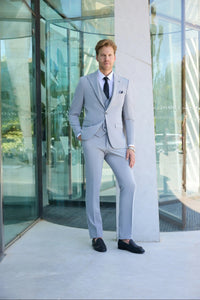
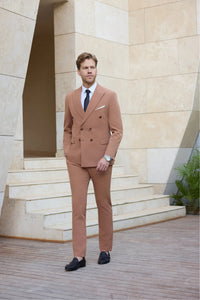
What a Perfectly Fitted Suit Looks Like
A perfectly fitted suit looks intentional rather than tight. The fabric should sit smoothly across the shoulders, chest, seat and thighs without pulling, wrinkling or sagging. A suit should define your shape without making you feel compressed, and it should retain its clean lines when you move.
In this suit fit guide, the goal is not to chase one specific cut. Slim, tailored, classic and relaxed suits can all look excellent when the proportions are right. What matters most is that the jacket and trousers work with your body, your posture and the occasion.
- Correct fit: smooth fabric, natural movement and balanced proportions.
- Too tight: pulling at buttons, horizontal wrinkles and restricted movement.
- Too loose: sagging fabric, dropped shoulders and excess material around the body.
The Suit Jacket Fit Guide
The jacket is the most important part of a suit because it shapes the upper body and establishes the overall silhouette. A well fitted jacket should sit neatly at the shoulders, close comfortably at the chest and taper gently through the waist. It should look sharp when buttoned and equally natural when worn open.
When trying on a jacket, check it while standing naturally with your arms relaxed. Then sit down, move your arms forward and turn to the side. A good jacket should remain comfortable through each movement. If the shoulders or chest are wrong, choosing a different size or cut is usually better than relying on major tailoring.
Shoulder Fit: The Most Important Measurement
The shoulder seam should end where your natural shoulder ends. It should not extend down the upper arm, and it should not sit inside your shoulder line. The jacket shoulder should lie flat without dents, divots, bunching or visible tension across the upper back.
Shoulders are the foundation of a good suit fit because they are difficult and expensive to alter properly. A tailor can often adjust sleeve length, trouser hems and the jacket waist, but reconstructing shoulders can change the garment’s balance. For this reason, always choose a suit that fits correctly through the shoulders before considering any other adjustment.
|
Shoulder Fit |
What It Looks Like |
|---|---|
|
Correct |
The seam ends at the natural shoulder point and the fabric lies flat. |
|
Too large |
The seam drops beyond the shoulder and creates excess fabric or sleeve divots. |
|
Too small |
The fabric pulls across the upper back and restricts arm movement. |
Jacket Collar, Chest and Lapel Fit
The jacket collar should rest smoothly against the shirt collar with no visible gap at the back of the neck. A gap between the shirt and jacket collar can indicate that the jacket does not match your posture or that the collar needs professional adjustment. Check this area from the side and back, not only in a front facing mirror.
Across the chest, the jacket should close without strain. When buttoned, the lapels should lie flat rather than bowing outward, and there should be no X shaped pulling around the button. You should be able to place a flat hand inside the buttoned jacket comfortably. If the chest feels tight or the button pulls, the jacket is too small.
- Collar: rests against the shirt collar without rolling or gaping.
- Chest: closes smoothly without tension lines.
- Lapels: lie flat against the chest and do not flare outward.
- Buttons: fasten easily when standing. Unbutton the jacket before sitting.
Jacket Waist, Sleeve Length and Overall Length
A suit jacket should taper slightly through the waist to create shape without feeling restrictive. This gentle suppression helps create a balanced V shaped silhouette, especially when the jacket is buttoned. If the jacket balloons at the waist, it is likely too large. If it pulls around the button or opens sharply at the front, it may be too small.
Jacket sleeves should finish near the wrist bone and reveal around one quarter to one half inch of shirt cuff. The jacket hem should generally cover the seat and fall around the middle of the hand when your arms hang naturally. Modern suits can be slightly shorter, but an overly cropped jacket can make the torso look disproportionate.
|
Jacket Area |
Ideal Fit |
Common Problem |
|---|---|---|
|
Sleeves |
End at the wrist bone with shirt cuff visible. |
No cuff showing or too much shirt sleeve exposed. |
|
Waist |
Gently tapered without pulling. |
Boxy shape or X shaped tension near the button. |
|
Jacket length |
Covers the seat and balances the torso with the legs. |
Too cropped or excessively long and oversized. |
How Should Suit Trousers Fit?
Suit trousers should complement the jacket by creating a clean, uninterrupted line from the waist to the shoe. They should sit securely without needing a belt to hold them up, provide enough room through the seat and thighs, and finish at a length that suits the style of your shoes.
A proper trouser fit is neither skin tight nor baggy. The fabric should skim the body and move comfortably as you walk or sit. When assessing trousers, check the waist, rise, seat, hips, thighs and hem length. Each detail affects both comfort and the overall appearance of the suit.
Trouser Waist and Rise
The trouser waistband should sit comfortably around your natural waist or slightly below it, depending on the trouser rise. You should be able to slide two fingers inside the waistband without strain. If the trousers fall without a belt, the waist is too large. If the waistband pinches while sitting, it is too tight.
For most people, a mid rise trouser is the most versatile option because it creates balanced proportions and works well with both two piece and three piece suits. High rise trousers sit closer to the natural waist and can make the legs appear longer. Low rise trousers sit closer to the hips but may interrupt the clean line between the jacket and trousers.
- Mid rise: a balanced, versatile choice for most body types.
- High rise: lengthens the appearance of the legs and works well with waistcoats.
- Low rise: more casual in appearance but less traditional for formal tailoring.
Seat, Hips and Thigh Fit
The seat of the trousers should follow the natural shape of your body without pulling, sagging or forming horizontal wrinkles. Tight trousers often create stress lines beneath the seat, while trousers that are too large can produce loose folds and excess material at the back of the thighs.
Through the hips and thighs, suit trousers should provide enough room for walking, sitting and climbing stairs comfortably. The fabric should not cling to the legs, but it should not hang loosely either. A gentle taper from the thigh toward the ankle creates a sharp, classic shape for most formal and business settings.
|
Trouser Area |
Correct Fit |
Signs of Poor Fit |
|---|---|---|
|
Seat |
Smooth drape over the back without tension. |
Horizontal wrinkles or loose sagging fabric. |
|
Hips |
Pockets lie flat and do not pull open. |
Side pockets flare outward. |
|
Thighs |
Comfortable room with a clean line. |
Fabric grips the thighs or hangs too widely. |
Trouser Length and the Right Break
The trouser break is the small fold created where the hem meets the shoe. A slight break is the most versatile choice for most suits. It creates one subtle crease at the front of the shoe and looks appropriate for business, weddings and formal occasions.
A no break trouser ends just above or lightly touches the shoe and creates a modern, streamlined look. A full break uses more fabric and produces a deeper fold, but too much excess material can look untidy. If fabric pools around the ankles, the trousers are too long. If the full ankle is visible while standing, they are usually too short unless you intentionally prefer a cropped style.
Why Proper Suit Fit Matters
Proper suit fit matters more than brand name, fabric price or trend. A moderately priced suit that fits well will almost always look more polished than an expensive suit with loose shoulders, long sleeves or trousers that bunch at the ankle. Fit is what makes a suit look purposeful.
A well fitted suit also helps clothing last longer. When fabric is stretched tightly across the shoulders, seat or crotch, it experiences more strain and can wear out faster. Choosing the right size and making sensible alterations protects the garment while improving how it looks and feels.
Better Proportions, Comfort and Confidence
A suit that fits properly creates better proportions by balancing the shoulders, chest, waist and legs. The right jacket length helps the body look more evenly divided, while correctly fitted trousers create a longer, cleaner leg line. These details can make a meaningful difference regardless of height, build or personal style.
Comfort is equally important. When your suit fits correctly, you can focus on the meeting, celebration or event rather than adjusting your sleeves, pulling at the waistband or worrying about a tight button. Comfort supports confidence, and confidence is often the quality people notice first.
How a Tailored Suit Improves Fit
Off the rack suits are produced around standard sizing models, but real bodies vary in shoulder width, arm length, posture, waist shape and leg proportions. Tailoring can refine many areas, including sleeve length, trouser hems, trouser waist and jacket suppression. These adjustments can turn a good suit into one that looks made for you.
However, tailoring has limits. The shoulder fit and basic chest fit should be correct before you buy. Major changes to the shoulders, jacket length or overall jacket size may be expensive and can affect the garment’s balance. The best approach is to buy for the shoulders and chest, then use a skilled tailor for smaller refinements.
- Usually easy to alter: sleeve length, trouser length, trouser waist and trouser taper.
- Possible but more complex: jacket waist suppression and minor collar adjustments.
- Often difficult or costly: shoulders, major chest changes and large jacket length changes.
Quick Suit Fit Checklist
Use this suit fit guide checklist before buying a suit or taking one to a tailor. Stand naturally in front of a mirror, then turn sideways and check the back view. Button the jacket while standing, sit down to test comfort and walk a few steps to see whether the trousers move naturally.
If one small detail is off, such as sleeve length or trouser hem, an alteration may solve the issue. If the shoulders, chest or jacket balance are wrong, try another size or cut. The best suit fit starts with a solid foundation rather than extensive repairs.
|
Fit Checkpoint |
What to Look For |
|---|---|
|
Shoulders |
Seams finish at the natural shoulder with no overhang or pulling. |
|
Collar |
Jacket collar rests against the shirt collar without a visible gap. |
|
Chest and button |
Jacket closes smoothly with no X shaped pulling. |
|
Sleeves |
One quarter to one half inch of shirt cuff is visible. |
|
Jacket length |
Hem generally covers the seat and creates balanced proportions. |
|
Trouser waist |
Trousers stay in place comfortably without relying on a belt. |
|
Seat and thighs |
Fabric lies smoothly without strain, sagging or restriction. |
|
Trouser break |
A slight break creates one neat crease at the shoe. |
Frequently Asked Questions About Suit Fit
Suit fit can vary based on body shape, personal preference and the formality of the occasion. However, the core principles remain the same: shoulders should fit cleanly, the jacket should close without pulling and trousers should sit comfortably with a neat hem.
The answers below address the most common questions people ask when using a suit fit guide. They can help you decide whether a suit needs tailoring, a different size or a different cut altogether.
How do I know if a suit fits properly?
A suit fits properly when the shoulder seams end at your natural shoulders, the jacket collar sits close to the shirt collar and the button closes without pulling. The jacket should taper gently through the waist, sleeves should show a small amount of shirt cuff and the jacket length should generally cover the seat.
The trousers should stay up comfortably, sit smoothly through the seat and thighs, and meet the shoes with a clean break. If you can walk, sit and raise your arms without strain while the suit still looks neat, the fit is likely correct.
Should a suit be tight or loose?
A suit should be close to the body but never tight. A fitted suit follows your shape and creates a clean silhouette, but it should still allow normal movement. Tightness around the chest, shoulders, seat or thighs creates wrinkles and can make the suit look too small.
A loose suit is not automatically more comfortable. Excess material often causes the jacket to look boxy and the trousers to appear untidy. The best suit fit provides enough room for movement while maintaining a defined, intentional shape.
How much shirt cuff should show with a suit?
Most style professionals recommend showing around one quarter to one half inch of shirt cuff beyond the jacket sleeve. This small amount creates a polished transition between the jacket and shirt and helps the sleeves look correctly proportioned.
Shirt cuff visibility can vary slightly depending on your arm length, sleeve style and personal preference. However, no cuff at all often means the jacket sleeves are too long, while a large amount of cuff may indicate sleeves that are too short.
Should suit trousers touch the shoes?
Yes, suit trousers should usually touch the shoes lightly or rest just above them. A slight break is a safe and versatile option because it gives the hem one clean fold without allowing fabric to bunch around the ankle.
A no break style can look sharp with narrow trousers and loafers, especially in modern tailoring. A full break can work with wider, more traditional trousers, but excessive pooling should be avoided because it can make an otherwise well fitted suit look unfinished.
Can a tailor fix any suit fit problem?
A tailor can improve many common fit issues, including long sleeves, long trouser hems, a loose trouser waist and trousers that need tapering. Minor jacket waist adjustments are also possible in many cases. These changes can significantly improve an off the rack suit.
Not every issue can be fixed easily. Jacket shoulders, major chest adjustments and dramatic changes to jacket length are difficult, expensive or impractical. Buy a suit that fits correctly at the shoulders and chest first, then use tailoring to refine the smaller details.