



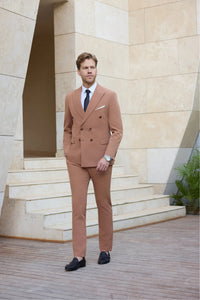




How to Fold a Pocket Square: Easy Folds and Styling Guide
Learning how to fold a pocket square is one of the simplest ways to make a suit, blazer or tuxedo look more considered. This small accessory adds colour, texture and personality without overwhelming the rest of an outfit. Whether you are dressing for a wedding, a business meeting or a relaxed dinner, the right pocket square fold can create a polished finish.
The best approach is to choose a fold that suits both the occasion and the fabric. Crisp linen and cotton work well for clean, structured folds, while silk creates softer shapes with natural movement. Use this guide to learn how to fold a pocket square, select a suitable style and wear it with confidence.
How to Fold a Pocket Square in 4 Easy Steps
Most pocket square folds begin with the same basic process: prepare the fabric, create the shape, adjust it to the pocket and make final refinements. Once you understand these foundations, you can move from a simple flat fold to a more relaxed puff fold without starting from scratch.
Before you begin, make sure the pocket square is clean and free from deep creases. A lightly pressed cotton or linen square will hold sharper lines, while a silk square should be handled gently to retain its soft texture. The aim is to look intentional, not overly rigid.
Step 1: Lay Your Pocket Square Flat
Place your pocket square on a clean, flat surface and smooth out any wrinkles with your hands. Position it as a square or turn it into a diamond shape, depending on the fold you plan to create. Starting with an even surface makes every later fold easier and more accurate.
If you are learning how to fold a pocket square for the first time, begin with a cotton or linen option. These materials are easier to control than lightweight silk and help you see the lines of each fold clearly. Save delicate silk squares for puff folds and less structured styles.
Step 2: Fold the Fabric to Your Preferred Style
Choose a fold that reflects the formality of your outfit. A square fold gives a clean, formal line, while a one-point or two-point fold adds shape without looking excessive. For casual tailoring, the puff fold offers a softer and more expressive result.
Fold slowly and keep the edges aligned where a sharp finish is needed. If the fold is meant to be relaxed, such as a puff or reverse puff, avoid pressing every crease flat. A pocket square should enhance your jacket, so it should not look like a perfectly engineered origami design.
Step 3: Adjust the Width for Your Breast Pocket
After creating the visible top section of the fold, adjust the lower part so it fits the width of your breast pocket. Fold the side edges inward until the base is slightly narrower than the pocket opening. This prevents the fabric from bunching or pushing the pocket out of shape.
It is helpful to check the fit before fully inserting the square. A pocket square that is too wide can bulge, while one that is too narrow may slide down during the day. The folded base should sit securely inside the pocket while the top remains balanced and visible.
Step 4: Place and Shape the Pocket Square
Slide the folded pocket square gently into the breast pocket, keeping the chosen edge, point or puff facing upward. For structured folds, allow around 1 to 1.5 centimetres of fabric to show above the pocket. This creates a neat finish without drawing too much attention.
Once it is in place, make small adjustments with your fingers. Straighten a flat edge, separate the twin peaks or soften the top of a puff fold. Knowing how to fold a pocket square also means knowing when to stop adjusting it: a natural-looking finish is usually the most stylish one.
Best Pocket Square Folds for Every Occasion
The best pocket square fold depends on the dress code, your jacket fabric and the impression you want to create. Formal events generally suit flat, understated folds, while social occasions allow more texture, colour and volume. A well-chosen fold should complement the outfit rather than compete with it.
For a reliable wardrobe, learn a few versatile techniques instead of trying every complex fold. The square fold, one-point fold, two-point fold and puff fold cover most occasions. Once these are familiar, the reverse puff provides an easy way to introduce a more relaxed, creative look.
The Square Fold
The square fold is also known as the presidential fold, TV fold or flat fold. It creates a straight, horizontal edge above the breast pocket and is one of the most formal ways to wear a pocket square. A white linen square is the traditional choice for black-tie events and formal weddings.
This is the easiest option for anyone who wants to learn how to fold a pocket square quickly. It works especially well with structured suits, tuxedos and business attire because its minimal shape does not distract from the lines of the jacket or tie.
How to Create the Presidential Pocket Square Fold
Lay the pocket square flat, then fold it in half from left to right. Fold the lower edge upward until the height matches the depth of your jacket pocket. Next, fold the sides inward as needed to create a neat rectangle that will fit comfortably inside the pocket.
Place the folded square into the pocket with the clean, straight edge facing up. Only a narrow strip should be visible. For the most traditional appearance, use white linen or cotton and ensure that the visible edge is crisp, even and wrinkle-free.
The One-Point Fold
The one-point fold, sometimes called the triangle fold or single-peak fold, shows one clean point above the pocket. It is more expressive than the square fold but still refined enough for weddings, dinners, business events and smart-casual outfits.
This fold is particularly effective with solid-colour or subtly patterned pocket squares. Choose linen or cotton if you want the point to remain sharp. Silk can also work, but it may need a little more adjustment to keep the peak upright throughout the day.
How to Fold a Triangle Pocket Square
Position the pocket square as a diamond, with one corner pointing towards you. Fold the bottom corner upward to meet the top corner, forming a large triangle. Then fold the left and right corners inward toward the centre to create a narrow base.
Turn the fold over if needed, then place it in your breast pocket with the triangle point visible. Adjust the height until the point sits neatly above the pocket edge. The finished shape should look symmetrical but not overly stiff.
The Two-Point Fold
The two-point fold, also called the twin-peak fold, creates two visible peaks above the pocket. It offers more visual interest than a one-point fold while remaining appropriate for professional settings, celebrations and evening events. It is a useful choice when you want a subtle detail that looks intentional.
A patterned silk or linen pocket square works well with this style, especially when the colours echo a tone in your tie, shirt or jacket. The two points do not need to be identical in height; a slightly uneven pair of peaks can make the fold look more natural.
How to Create a Twin-Peak Pocket Square Fold
Lay the square flat in a diamond position. Bring the bottom corner upward, but place it slightly to one side of the top corner rather than directly on top of it. This creates two separate peaks at the upper edge of the fold.
Fold the left and right sides inward to make a pocket-sized base. Tuck the folded section into your breast pocket and arrange the two peaks so they remain visible. Keep the points close together for a cleaner, more formal finish.
The Puff Fold
The puff fold is a soft, rounded style that works especially well with silk pocket squares. It is less formal than the presidential fold and is ideal for cocktail events, summer weddings, date nights and smart-casual blazers. Its relaxed shape shows more of the fabric’s colour and pattern.
Because it is not based on crisp creases, the puff fold is one of the most forgiving techniques for beginners. It is also a practical answer for anyone wondering how to fold a pocket square without spending several minutes aligning corners and edges.
How to Fold a Puff Pocket Square
Lay the square flat and pinch the centre of the fabric between your thumb and forefinger. Lift it gently so the four corners fall downward. With your other hand, slide up around the hanging fabric to gather it into a loose, rounded shape.
Fold the lower fabric upward to make a compact base, then place it into your pocket with the rounded section showing. Avoid flattening the top too much. The best puff folds have an easy, natural appearance rather than a perfect circular shape.
The Reverse Puff Fold
The reverse puff fold is a variation of the traditional puff in which the corners or points are displayed above the pocket instead of the rounded centre. It is more playful and expressive, making it best suited to informal events, creative workplaces and stylish evening outfits.
Use a patterned silk square for the strongest effect, as the visible corners can reveal more of the design. This fold is not usually the first choice for black-tie occasions or conservative business settings, but it can add character to a plain blazer or suit.
To create the reverse puff, begin as you would for a regular puff by pinching the centre and lifting the fabric. Instead of placing the rounded centre upward, turn the shape so the loose points face out. Fold the lower fabric inward and place it into the breast pocket.
Adjust the corners until they appear balanced and do not spread too widely. The aim is a controlled, relaxed look. If the points look too tall or chaotic, push more fabric into the pocket and leave only a few edges visible.
How to Choose a Pocket Square by Fabric, Pattern and Colour
Choosing the right pocket square involves more than picking a colour you like. Fabric affects how easily the square folds, while pattern and colour determine how it works with your suit, shirt and tie. The strongest combinations use complementary tones rather than exact colour matches.
As a general rule, choose one visual focal point for your outfit. If your suit and tie have bold patterns, select a simpler pocket square. If you are wearing a plain navy or grey suit, a patterned silk square can add interest without making the outfit look busy.
|
Fabric or Style |
Best Use |
Recommended Folds |
|---|---|---|
|
Linen |
Formal events, business wear and summer tailoring |
Square fold, one-point fold, two-point fold |
|
Cotton |
Everyday tailoring, smart-casual outfits and beginners |
Square fold, one-point fold, two-point fold |
|
Silk |
Weddings, evening events and refined social occasions |
Puff fold, reverse puff fold, two-point fold |
|
Wool or wool-silk blend |
Autumn and winter jackets with texture |
Puff fold, one-point fold |
White linen remains the safest choice for formal occasions, particularly with a tuxedo or dark suit. For business wear, consider muted shades such as navy, burgundy, grey or soft blue. A pocket square can pick up a secondary colour in your tie or shirt, but it should not be an identical copy of the tie.
Patterns should be balanced by scale. Pair a small-patterned tie with a larger pocket square pattern, or wear a patterned square with a plain tie. Floral, paisley and abstract designs are excellent for relaxed occasions, while solid colours and subtle geometric prints are easier to wear in professional settings.
- For black tie: Choose a white linen or cotton square in a square fold.
- For business: Choose a solid or subtly patterned square with a structured fold.
- For weddings: Choose a fold and colour that complement the event, without matching the tie exactly.
- For casual blazers: Try patterned silk, cotton or wool in a puff fold.
When to Wear a Pocket Square with a Suit, Blazer or Tuxedo
You can wear a pocket square whenever your jacket has a breast pocket. It works with suits, blazers, sports coats and tuxedos, provided the fold and fabric suit the occasion. A pocket square is optional, but it can make an outfit look more complete and personal.
For formalwear, keep the styling restrained. A white square fold with a tuxedo is a classic choice because it looks elegant without competing with the bow tie. At weddings, a one-point fold or puff fold can work well when the square complements the wedding colours rather than matching every accessory exactly.
In professional environments, choose understated colours and structured folds. A navy, burgundy or white pocket square can add polish to a charcoal or navy suit. Avoid overly bright novelty prints when attending conservative meetings, interviews or formal corporate events.
For casual wear, feel free to experiment. A textured blazer, open-collar shirt and patterned puff pocket square create an approachable smart-casual outfit. Once you know how to fold a pocket square, you can adapt the same accessory to many different settings by changing the fold, fabric and amount of colour on display.
- Formal weddings and black tie: Square fold in white linen or cotton.
- Business meetings: Square, one-point or two-point fold in subtle colours.
- Evening dinners: Silk puff fold or two-point fold with a refined pattern.
- Smart-casual events: Puff or reverse puff fold with a patterned square.
Whichever style you choose, keep the pocket square clean, balanced and secure in the pocket. The best result is one that looks effortless. A well-folded pocket square should add a finishing touch to your outfit, not become the only thing people notice.